Oyster bars are not just a culinary feature of New Orleans — they are a living part of the city’s identity. Long before oysters became a luxury item elsewhere, they were a daily ritual here: affordable, communal, and deeply tied to the rhythms of the Gulf.
To understand New Orleans dining, you have to understand its oyster bars.
Jump to the Flavor
Oysters and the Early Days of New Orleans
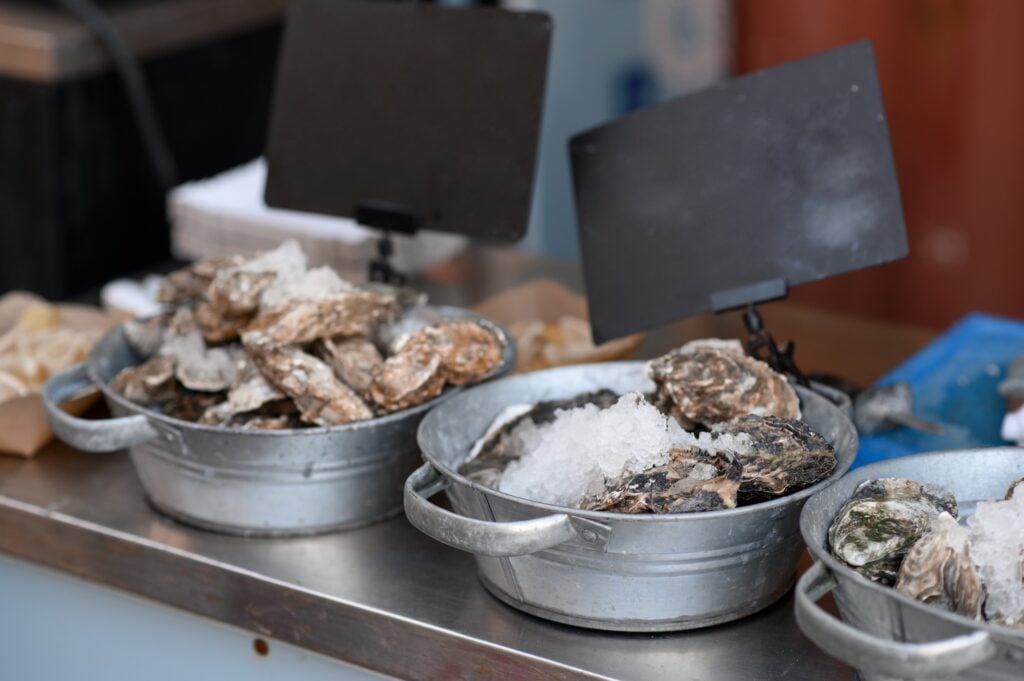
New Orleans’ relationship with oysters dates back to the 18th century. Thanks to its proximity to the Gulf of Mexico and a vast network of bays and estuaries, oysters were once incredibly abundant.
By the early 1800s, oysters were harvested locally and sold cheaply throughout the city. They were eaten raw, fried, stewed, or baked — often by dockworkers, fishermen, and families who saw oysters as everyday nourishment rather than indulgence.
In early New Orleans, oysters were food for everyone — not a luxury, but a shared tradition.
This accessibility laid the foundation for what would become one of the city’s most iconic dining institutions: the oyster bar.
The Rise of the Classic Oyster Bar
By the late 19th and early 20th centuries, oyster bars began to formalize. Long marble counters, high-backed stools, and skilled shuckers became defining features of New Orleans establishments.
Many of these early oyster bars were attached to saloons, cafés, or corner restaurants, serving customers who wanted something quick, fresh, and deeply local.
What defined a traditional New Orleans oyster bar:
- Fresh Gulf oysters shucked to order
- Simple accompaniments like lemon, hot sauce, and crackers
- A social atmosphere where conversation mattered as much as the food
Some legendary oyster houses from this era helped popularize preparations that are now classics — including baked oysters and early versions of what would later become charbroiled oysters.
Oyster Bars as Social Spaces
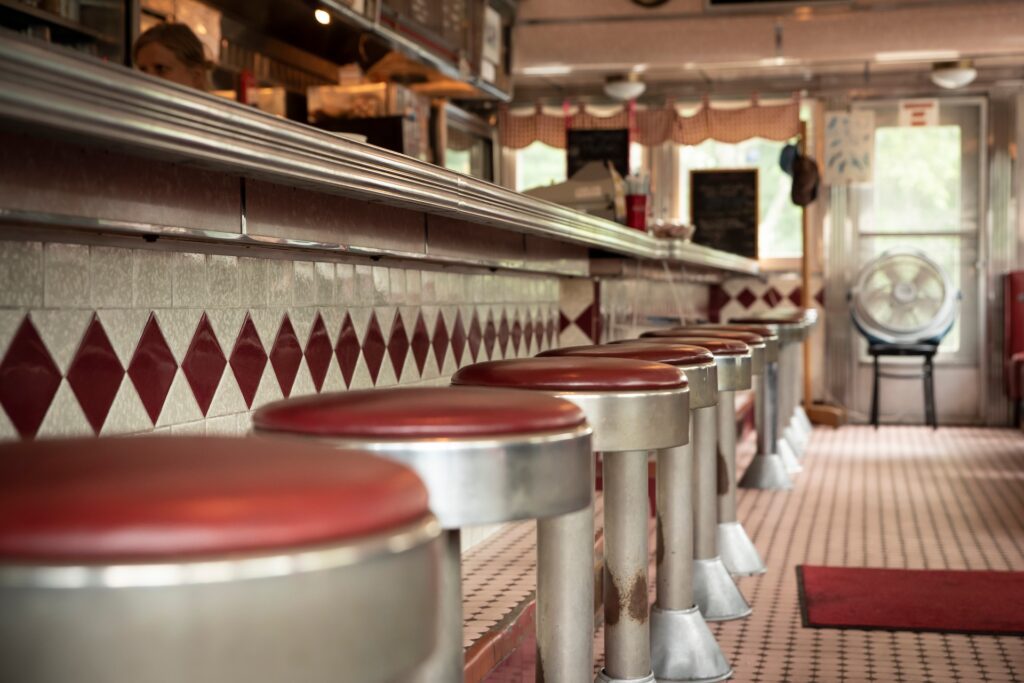
Unlike formal dining rooms, oyster bars were places of movement and exchange. Locals stood shoulder to shoulder, sharing stories, news, and opinions while watching oysters opened in rhythmic motion.
These bars became democratic spaces — where bankers, artists, cooks, and musicians all found common ground.
An oyster bar in New Orleans was never just about eating. It was about belonging.
This social function is a key reason oyster bars survived while many other dining traditions faded.
Challenges and Change in the Modern Era
Over time, oyster populations declined due to environmental pressures, storms, and changing harvesting practices. Regulations tightened, and oysters gradually shifted from everyday fare to something more seasonal and prized.
At the same time, tourism reshaped the city’s dining scene. Some oyster bars adapted by becoming louder, flashier, and more performative.
Others chose a different path — preserving the essence of the tradition while adapting carefully to modern expectations.
Keeping the Tradition Alive Today

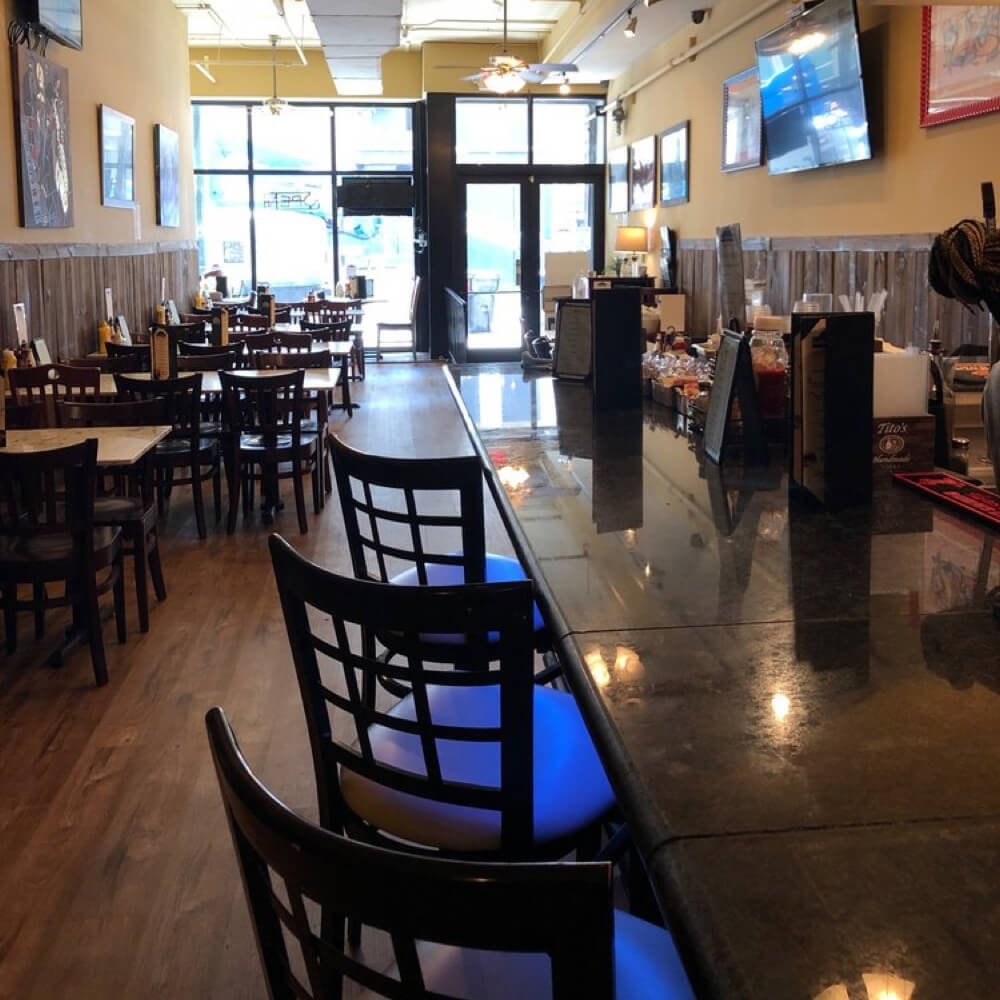
Today, authentic oyster bars are defined not by spectacle, but by respect: for the product, the process, and the people who gather around it.
Gallier’s Restaurant & Oyster Bar continues this lineage by honoring the fundamentals that made oyster bars essential to New Orleans culture.
- Fresh Gulf oysters served simply and thoughtfully
- Classic preparations rooted in Creole tradition
- A welcoming atmosphere that values conversation and comfort
Rather than reinventing the oyster bar, Gallier’s preserves its purpose — offering a place where history, food, and community quietly meet.
True oyster bars don’t chase trends. They outlast them.
Why Oyster Bars Still Matter
In a city constantly balancing preservation and progress, oyster bars remain one of New Orleans’ most enduring cultural threads.
They remind us that great food doesn’t need complexity to be meaningful — just care, context, and continuity.
As long as oysters are shucked by hand and shared at the bar, the story of New Orleans dining continues.
Continue the tradition at Gallier’s Seafood & Oyster Bar — a modern New Orleans oyster bar serving fresh Gulf oysters, gumbo, and po’boys.