New Orleans is one of America’s great cocktail cities — arguably the greatest. While other cities adopted cocktail culture, NOLA helped invent it. From the Sazerac, stirred in a dimly lit barroom on Royal Street, to the Hurricane sipped on a wrought-iron balcony overlooking Bourbon, New Orleans cocktails are more than drinks. They’re history in a glass, stories told in bitters and sugar and ice. Here’s your guide to the new orleans cocktails that define the Crescent City — and why they taste best alongside Gulf seafood.
Jump to the Flavor
New Orleans: The Birthplace of the American Cocktail
The very word “cocktail” has roots that reach deep into New Orleans soil. In the 1830s, a Creole apothecary named Antoine Amédée Peychaud served brandy toddies mixed with his proprietary aromatic bitters at his pharmacy on Royal Street. He poured them into a small French egg cup called a coquetier — which English-speaking patrons mangled into something that sounded a lot like “cocktail.” Whether or not this is the definitive origin of the word (etymologists still debate it), one thing is beyond dispute: New Orleans was mixing sophisticated drinks before the rest of America had a name for them.
Peychaud’s Bitters remain a cornerstone of the city’s drinking culture to this day, and that spirit of innovation — of taking good ingredients and making something greater than the sum of their parts — still defines the New Orleans bar scene. This is a city where bartenders are treated with the same respect as chefs, where a well-made drink is considered a craft, not an afterthought.
The Essential New Orleans Cocktails
Every city has its signature drinks. New Orleans has an entire roster — each one tied to a specific era, a specific bar, a specific story. If you want to understand NOLA, you drink your way through its history. Here are the new orleans drinks you absolutely need to know.
The Sazerac
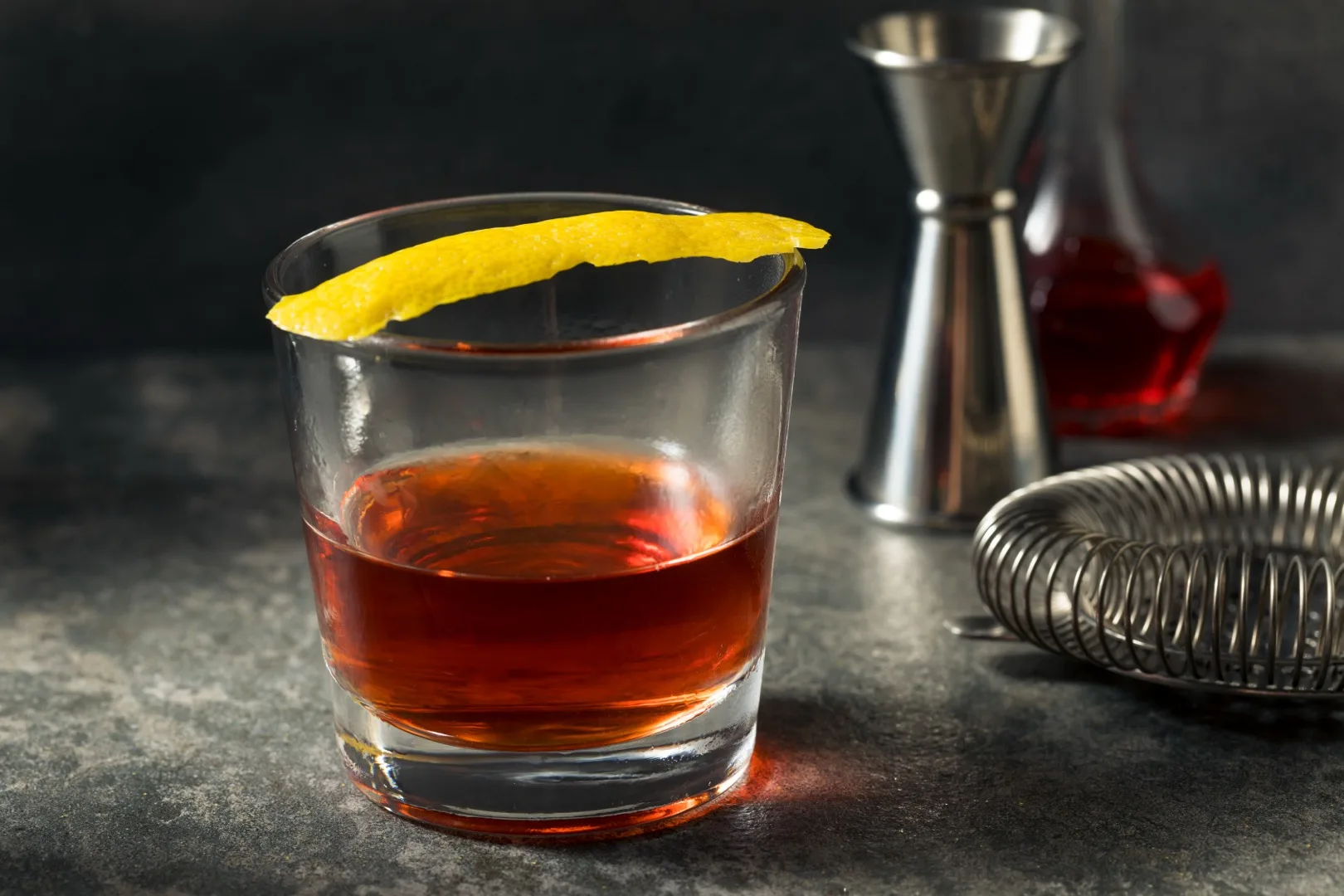
If New Orleans had to choose one cocktail to represent it forever, the Sazerac would win without a runoff. Widely regarded as America’s oldest cocktail, it dates back to the 1830s and was officially designated the cocktail of New Orleans by the Louisiana legislature in 2008.
The original recipe called for cognac — specifically Sazerac de Forge et Fils, imported from France — mixed with Peychaud’s Bitters and sugar. When the phylloxera blight devastated European vineyards in the late 1800s, bartenders pivoted to American rye whiskey, and that version stuck. The finishing touch is an absinthe rinse: you coat a chilled rocks glass with a thin layer of absinthe (or Herbsaint, the local substitute), discard the excess, and pour the whiskey mixture over a single large ice cube. A twist of lemon peel, expressed over the surface but never dropped in, completes the ritual.
The result is complex, aromatic, and deeply satisfying — herbal from the absinthe, warm from the rye, with a subtle sweetness that lingers. It’s a drink that rewards slow sipping, ideally with a plate of charbroiled oysters sending smoke signals from across the table.
The Hurricane
The Hurricane gets a bad reputation in some circles — too sweet, too touristy, too often served from a plastic machine in a neon-lit daiquiri shop. But a properly made Hurricane is genuinely delicious, and its story is pure New Orleans.
During World War II, liquor distributors would force bar owners to buy cases of rum (which was plentiful) for every case of whiskey (which was rationed). Pat O’Brien, owner of the eponymous French Quarter bar, needed a way to move all that rum. His solution was a fruity, potent concoction of light and dark rum, passion fruit syrup, and fresh citrus, served in a glass shaped like a hurricane lamp. It was an instant hit, and it’s remained one ever since.
The key to a great hurricane drink new orleans style is fresh ingredients — real passion fruit, freshly squeezed orange and lime juice, quality rum. Skip the premade mixes. When it’s done right, the Hurricane is bright, tropical, and dangerously easy to drink — especially alongside a spicy crawfish boil on a warm Louisiana evening.
The Ramos Gin Fizz
Henry Charles Ramos created this drink at his Imperial Cabinet Saloon in 1888, and it quickly became so popular that he employed a line of “shaker boys” — sometimes a dozen deep — to keep up with demand. The reason? A proper Ramos Gin Fizz requires twelve full minutes of vigorous shaking.
The ingredients are gin, heavy cream, egg white, lemon juice, lime juice, sugar, orange flower water, and a splash of soda. The extended shaking emulsifies everything into a silky, frothy cloud that rises above the rim of the glass like a meringue. The flavor is floral from the orange flower water, creamy, tart, and refreshing — somewhere between a cocktail and a dessert.
It’s a commitment to make and a revelation to drink. Few cocktails anywhere in the world offer this kind of textural experience. If you’re enjoying a Cajun brunch in New Orleans, the Ramos Gin Fizz is the only way to start.
The Vieux Carré
Named after the French Quarter itself (Vieux Carré means “Old Square” in French), this cocktail was created in the 1930s at the Carousel Bar inside the Hotel Monteleone on Royal Street — a revolving bar that still turns today. Head bartender Walter Bergeron crafted it as a tribute to the city’s blended heritage: rye whiskey for the Americans, cognac for the French, sweet vermouth for the Italians, and Bénédictine for the monks who helped build the colony’s spiritual foundations.
Stirred with both Peychaud’s and Angostura bitters, the Vieux Carré is complex, boozy, and deeply sophisticated. It’s the cocktail equivalent of a long conversation in a dimly lit room — layered, rewarding, and best not rushed. This is a sipper’s drink, perfect for a quiet evening before or after dinner.
Café Brûlot
Not every great New Orleans cocktail comes in a rocks glass. Café Brûlot — “burnt brandy coffee” — is an after-dinner spectacle invented at Antoine’s Restaurant in the French Quarter. Brandy is combined with cinnamon sticks, whole cloves, lemon and orange peel, and sugar in a special brûlot bowl. The mixture is set ablaze at the table, the blue flame dancing as the server ladles the burning liquid over a long spiral of citrus peel. Strong coffee is then poured in to douse the flames, and the result is served in small, delicate brûlot cups.
The drink itself is warm, aromatic, and subtly spiced — the brandy smoothed by the fire and perfumed by the citrus and spices. But honestly, Café Brûlot is as much about the theater as the taste. In a city that has always understood that dining is performance, this is the final act.
The French 75
The French 75 has origins in Paris, but New Orleans adopted it wholeheartedly — and in typical NOLA fashion, improved it. The classic version combines gin, fresh lemon juice, and simple sugar, topped with champagne. Many New Orleans bars substitute cognac for gin, giving the drink a richer, more amber warmth that suits the city’s Creole-French character.
The name comes from the French 75mm field gun used in World War I — the idea being that the cocktail hits with similar force. It’s elegant, effervescent, and dangerously drinkable. A French 75 alongside a seafood dinner for two is one of the finest experiences New Orleans can offer.
Cocktails and Food: The New Orleans Way
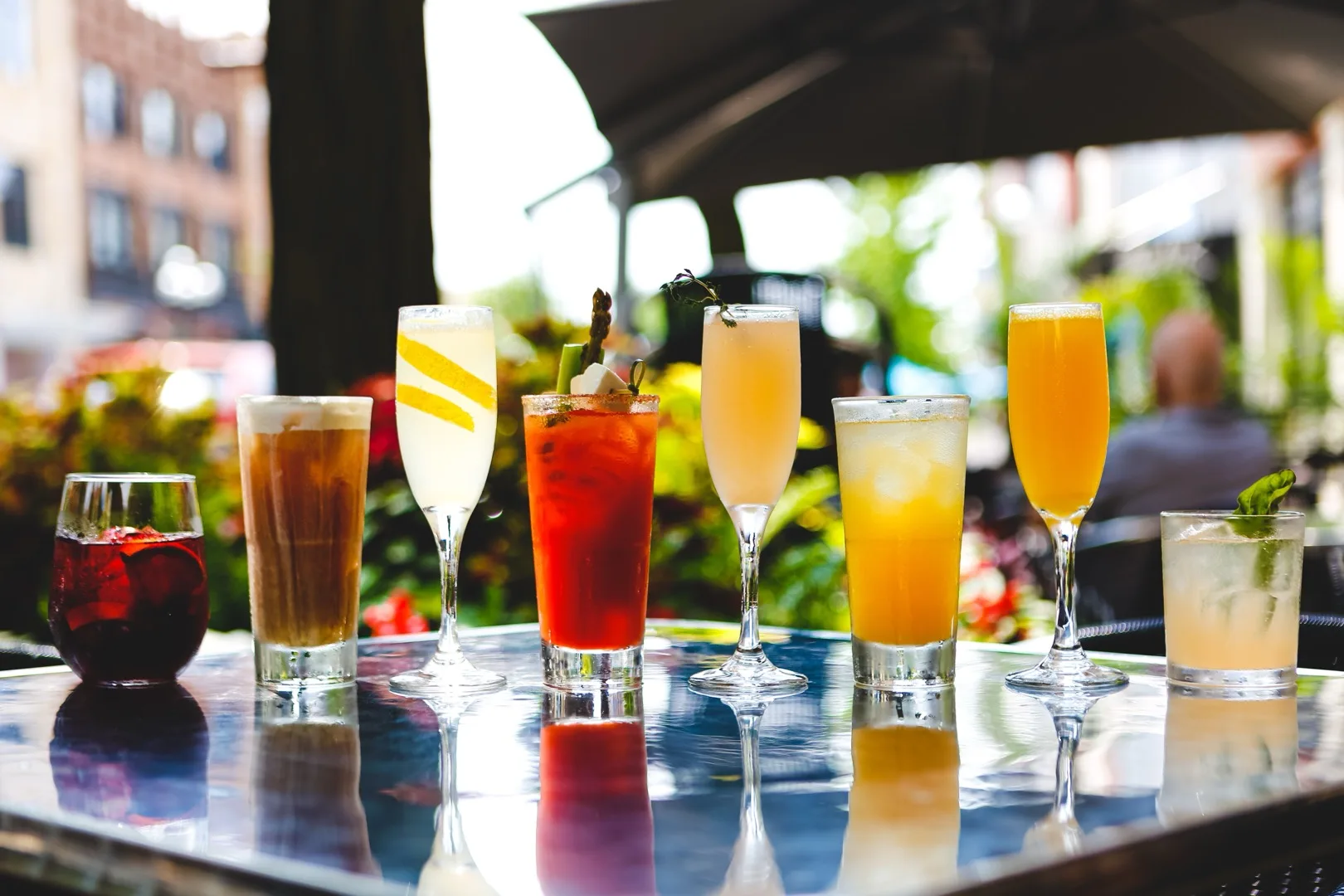
In most American cities, cocktails are something you have before dinner — an aperitif, a social lubricant, a way to pass time while the kitchen fires up. In New Orleans, cocktails and food are inseparable companions. The city’s drinking culture and its culinary culture evolved together, and the best meals here are framed by what’s in your glass as much as what’s on your plate.
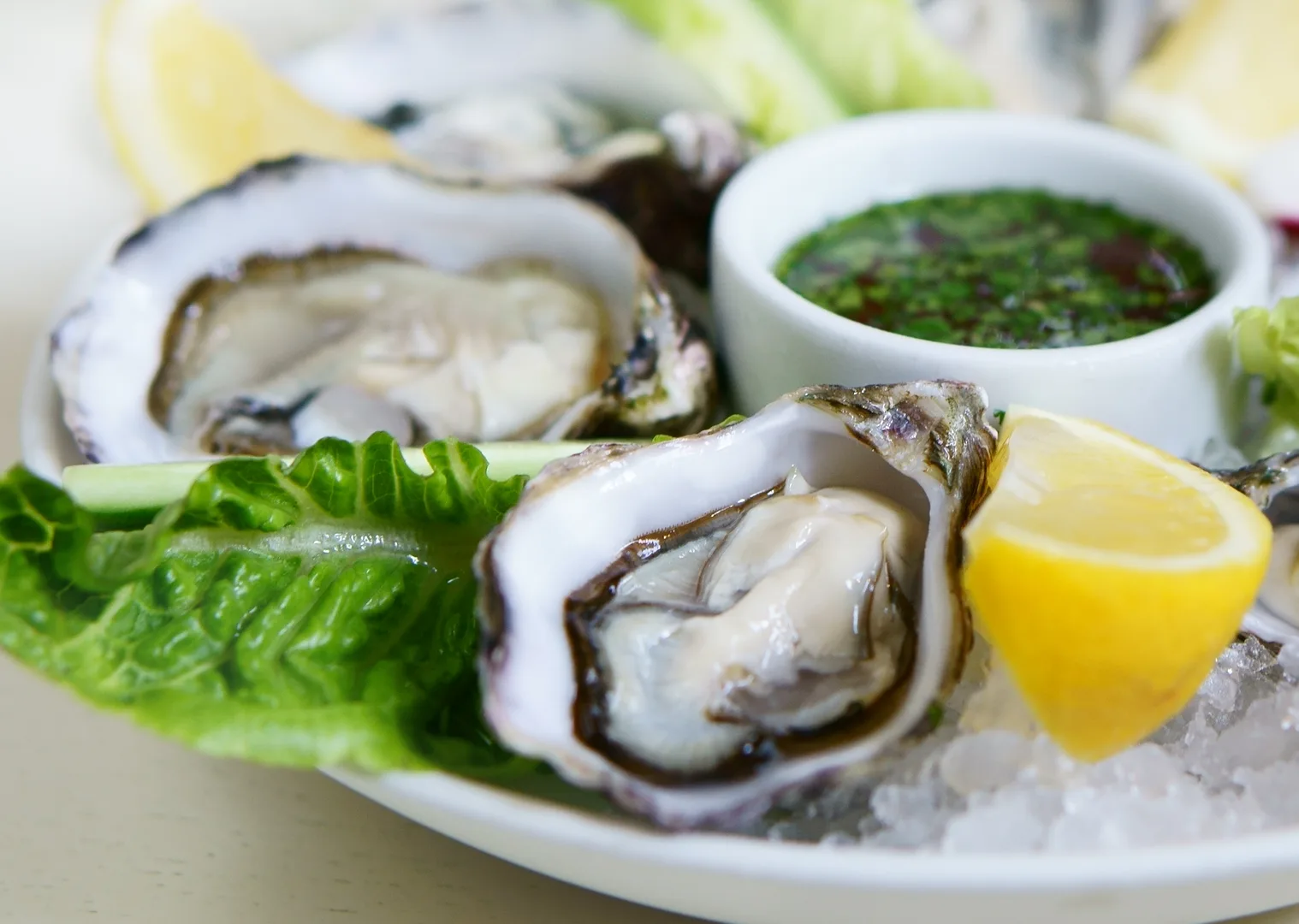
Some pairings have become practically canonical. A Sazerac with charbroiled oysters is a marriage of smoke and spice — the char and garlic butter of the oysters meeting the herbal warmth of the rye and absinthe. The cocktail’s bitterness cuts through the richness beautifully. If you haven’t tried charbroiled oysters with a Sazerac in hand, you’re missing one of the city’s essential food experiences.
A Hurricane alongside a crawfish boil is pure Louisiana summertime. The cocktail’s tropical sweetness tempers the cayenne heat, while the citrus keeps your palate fresh between handfuls of mudbugs. Check our guide to the best crawfish in New Orleans for where to get your fix.
The Ramos Gin Fizz is a brunch cocktail, full stop. Its creamy, frothy lightness is the ideal partner for eggs Sardou, shrimp and grits, or a plate of beignets. There’s a reason it’s on every serious Cajun brunch menu in town — it’s the drink that says “it’s morning in New Orleans, and morning in New Orleans is for celebrating.”
And the French 75 with a seafood dinner? That’s pure elegance. The champagne lifts the richness of butter-poached Gulf fish or a plateau of raw oysters, keeping every bite and sip feeling fresh. It’s the kind of pairing that turns a date night in New Orleans into something you’ll talk about for years.
Cocktail Culture Beyond Bourbon Street
Bourbon Street is the first place most visitors think of when they imagine new orleans cocktails, and fair enough — it’s loud, it’s colorful, and the drinks flow freely. You’ll find Hand Grenades, Huge Ass Beers, and frozen daiquiris in every shade of neon. It’s a party, and there’s nothing wrong with that.
But the real cocktail scene — the one that locals cherish and that serious drink enthusiasts travel for — lives elsewhere. The Central Business District (CBD) has become a hotbed for craft cocktail bars, many of them tucked inside the neighborhood’s grand hotels and repurposed warehouses. The Garden District offers a quieter, more intimate bar culture, with neighborhood spots that have been mixing drinks for generations. And Frenchmen Street, the live music corridor of the Marigny, is where you’ll find locals drinking well-made cocktails between sets of brass band jazz.
Even within the French Quarter, the best drinking experiences tend to be off the main drag — at historic hotel bars, at restaurants where the cocktail program is taken as seriously as the kitchen, and at quiet corners where bartenders know their regulars by name. If you’re trying to decide between the French Quarter and the CBD for dining and drinks, the honest answer is: both, for different reasons.
Drinks at Gallier’s
At Gallier’s, we believe that great seafood deserves a great drink beside it. Our bar program is built around the classics — because in New Orleans, the classics earned their place — with a few modern touches that reflect the way the city’s cocktail culture continues to evolve.
We pour a proper Sazerac with Sazerac Rye, Herbsaint, bitters and simple syrup. Our Hurricane is made with light rum, fruit juices, freshly squeezed lime juice and grenadine. And our bartenders are happy to guide you toward the right pairing, whether you’re starting with a dozen raw oysters, diving into a seafood platter, or settling in for a full Cajun-Creole dinner.
Seafood and cocktails is the ultimate New Orleans combination, and it’s what we do best. The briny sweetness of a freshly shucked Gulf oyster, the smoky char of our grilled catch, the rich warmth of a well-made cocktail — these flavors belong together, and at Gallier’s, they always find each other.
Raise a Glass at Gallier’s
Ready to sip your way through New Orleans? Visit us at 129 Carondelet St, New Orleans, LA 70130. Call (504) 267-5672 or reserve your table today. Explore our full menu — food and drink — and discover why the best new orleans cocktails taste even better with Gulf seafood on the side.