
What Is Blackened Fish? The Bold Cajun Technique Behind the Char

There’s a moment — just before the fish hits the skillet — when you know something extraordinary is about to happen. The cast iron is screaming hot, the butter is foaming, and the spice-coated fillet meets the pan with a violent, intoxicating sizzle. Smoke billows. The aroma — paprika, cayenne, garlic, thyme — fills every corner of the kitchen. In less than two minutes per side, you have blackened fish: a coal-dark, impossibly flavorful crust encasing tender, juicy flesh. It’s one of Louisiana’s most iconic cooking techniques, born in New Orleans and beloved worldwide. At Gallier’s Seafood & Oyster Bar, it’s one of the dishes we’re proudest to serve.

The Origins of Blackened Fish

The story of blackened fish begins with one man: Chef Paul Prudhomme. In the early 1980s, at his legendary French Quarter restaurant K-Paul’s Louisiana Kitchen, Prudhomme introduced a technique that would change American cooking forever. He took redfish — a firm, mild Gulf fish also known as red drum — dipped it in melted butter, dredged it through a proprietary Cajun spice blend, and seared it in a white-hot cast iron skillet. The result was unlike anything diners had tasted before: a shattering, deeply savory crust that gave way to perfectly cooked, succulent fish.

The dish was an instant sensation. Blackened redfish became the most talked-about plate in America. Food critics raved. Home cooks attempted (and often failed) to replicate it. Restaurants from coast to coast added “blackened” everything to their menus. Prudhomme had single-handedly put Cajun cuisine on the national map — and in the process, nearly drove redfish to extinction. Demand soared so dramatically that Louisiana officials had to impose emergency catch limits on red drum in the late 1980s to protect the species. The fish recovered, but the legend only grew.

What Prudhomme understood — and what we carry forward at Gallier’s — is that blackening isn’t just a recipe. It’s a philosophy of bold, unapologetic flavor rooted in the Cajun and Creole cooking traditions of South Louisiana.
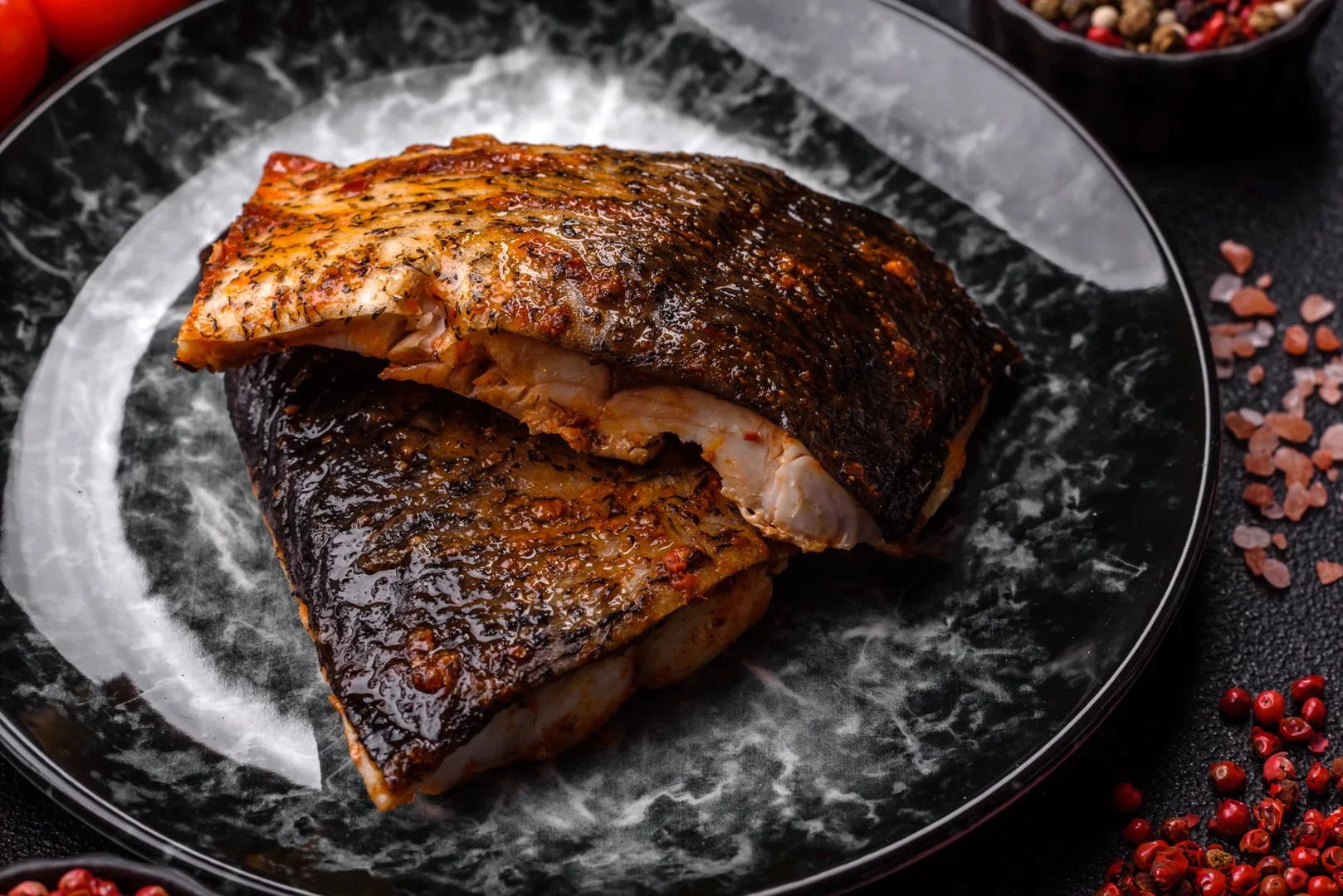
Blackened redfish searing in a cast iron skillet with butter and Cajun spices
The signature sizzle of blackened fish — a fiery cast iron skillet, melted butter, and a bold Cajun spice crust create one of Louisiana’s most iconic dishes.

What Does “Blackened” Actually Mean?

Let’s clear up the biggest misconception right away: blackened fish is not burnt fish. The word “blackened” refers to the dramatic, dark crust that forms when a spice-coated fillet meets an extremely hot surface — and that crust is where all the magic lives.

Here’s how the technique works. First, the fish fillet is dipped in melted unsalted butter, which serves a dual purpose: it helps the seasoning adhere to the surface and promotes rapid, even browning. Next, the fillet is coated generously — almost aggressively — in a Cajun spice blend. Then comes the critical step: the fish goes into a dry cast iron skillet heated to near-glowing temperatures, often 500°F or higher.

At those extreme temperatures, something remarkable happens. The butter vaporizes almost instantly, and the spices undergo a rapid Maillard reaction — the same chemical process that gives seared steak its savory complexity. The spice blend chars and caramelizes in seconds, creating a thin but intensely flavorful crust. The dark, almost jet-black color comes entirely from the charred spices, not from the fish burning. Inside, the fish stays moist, flaky, and delicate — a beautiful contrast to that smoky, spicy exterior.

The technique demands confidence and speed. There’s no room for timidity. The skillet must be blisteringly hot, the coating must be even, and the cook must commit. It’s this boldness — this willingness to push heat to the edge — that separates true blackened fish from a pale imitation dusted with seasoning on a medium-warm pan.

The Blackened Seasoning Blend

If the cast iron skillet is the engine of blackened fish, the spice blend is the soul. Every kitchen guard its own version, but the foundation remains consistent — a carefully calibrated mix of heat, earthiness, and aromatic depth that transforms a simple fillet into something extraordinary.

What’s in the Mix

A traditional blackened seasoning blend includes:

  • Paprika — the backbone of the blend, providing deep red color and a sweet, smoky base note. Most kitchens use a combination of sweet and smoked paprika.
  • Cayenne pepper — the primary heat source. This is what brings the fire, and the amount determines whether your blackened fish whispers or shouts.
  • Garlic powder — savory depth and an unmistakable aroma that becomes deeply nutty when charred.
  • Onion powder — subtle sweetness that balances the heat and rounds out the flavor profile.
  • Dried thyme — earthy and slightly floral, a classic Louisiana herb that connects blackened fish to the broader tradition of Cajun and Creole seasoning.
  • Dried oregano — peppery and slightly bitter, adding complexity and preventing the blend from tasting one-dimensional.
  • Black pepper — sharp, biting heat that works differently from cayenne, hitting the back of the palate.
  • White pepper — a sneaky, slow-building heat that lingers. This is the ingredient most home cooks forget, and it makes a bigger difference than you’d expect.

Why the Balance Matters

The genius of a great blackened seasoning isn’t any single ingredient — it’s the architecture of the blend. Paprika provides the canvas. Cayenne delivers immediate, front-of-mouth heat. Black pepper and white pepper add secondary and tertiary layers of spice that unfold as you eat. Garlic and onion powder build savory depth. Thyme and oregano bring herbal complexity that keeps you coming back for another bite.

Get the ratios wrong, and you end up with a one-note blast of heat or a muddy, indistinct flavor. Get them right, and every bite reveals something new — smoke, then heat, then herbs, then a lingering warmth that makes you reach for your fork before you’ve finished chewing. At Gallier’s, we’ve spent years refining our proprietary blend to strike exactly that balance.
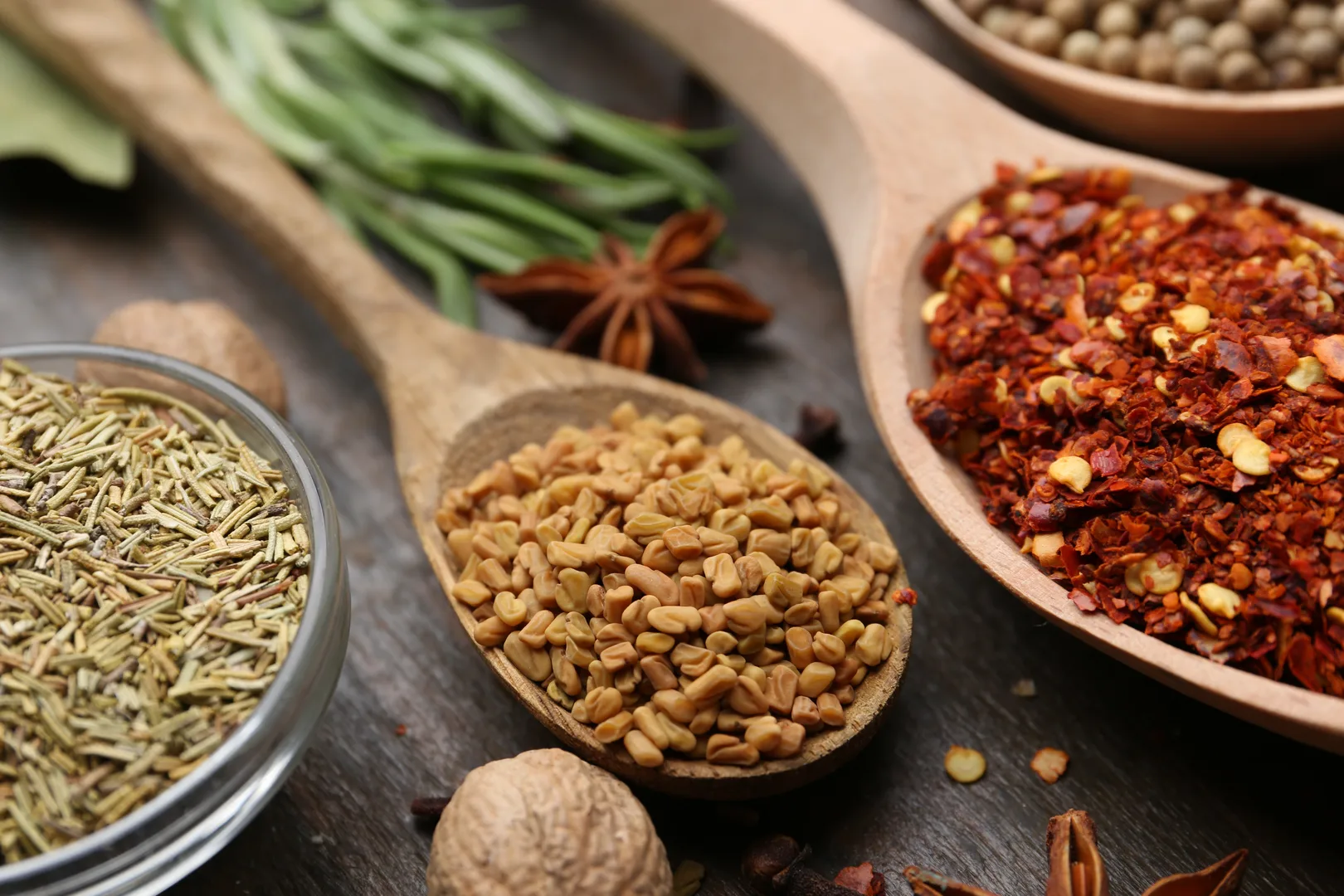
Assorted Cajun spices including paprika, cayenne, and herbs on a rustic wooden table
The building blocks of blackened seasoning — paprika, cayenne, garlic powder, thyme, and oregano come together to create that signature Cajun heat and depth.

Best Fish for Blackening

Not every fish can handle the intensity of blackening. The technique demands fillets that are firm enough to hold together under extreme heat, thick enough to stay moist inside while the crust chars, and mild enough in flavor to let the spice blend shine. Here are the best options — all of which you’ll find on the Gulf Coast and on our menu at Gallier’s.

Redfish (Red Drum)

This is where it all started, and redfish remains the gold standard for blackening. Red drum has a firm, meaty texture with large, moist flakes that hold up beautifully to the violence of a screaming cast iron skillet. The flavor is mild and slightly sweet — just enough character to complement the spice crust without competing with it. Redfish is a Gulf staple, deeply connected to Louisiana’s fishing heritage, and when you order blackened redfish in New Orleans, you’re eating a dish with over four decades of history behind it. Thanks to sustainable management practices, Gulf redfish populations have rebounded, and we’re proud to serve it responsibly.

Catfish

A Southern favorite for good reason. Catfish has a mild, clean flavor and a tender-firm texture that absorbs seasoning like a sponge. Farm-raised catfish, in particular, offers consistent quality and a neutral taste profile that makes it an ideal canvas for Cajun blackened fish seasoning. It’s also one of the most affordable options, which is why it’s been a staple of Louisiana seafood kitchens for generations. Blackened catfish with a squeeze of lemon and a side of coleslaw is about as Southern as it gets.

Gulf Snapper

Snapper is more delicate than redfish or catfish, with a finer flake and a slightly sweet, nutty flavor. It requires a lighter hand — thinner fillets mean less time in the skillet — but when done right, blackened snapper is stunning. The spice crust provides a crunchy counterpoint to the silky, tender flesh. Red snapper from the Gulf of Mexico is one of the most prized fish in New Orleans seafood culture, and blackening it honors that tradition while adding a Cajun edge.

Other Great Options

The beauty of blackening is its versatility. Beyond the classics, several other fish take exceptionally well to the technique:

  • Drum — Similar to redfish in texture and flavor, black drum is plentiful in the Gulf and stands up to high heat with ease.
  • Mahi-mahi — Dense, meaty, and slightly sweet. Its firm flesh makes it almost impossible to overcook, which is forgiving for the intense blackening process.
  • Swordfish — Thick, steak-like cuts that develop an incredible crust while maintaining a buttery, medium-rare center. Blackened swordfish is a showstopper.

The common thread? Firm texture and mild flavor. Delicate, flaky fish like sole or tilapia tend to fall apart under the extreme heat and get overpowered by the seasoning. Stick with the sturdy Gulf favorites and you’ll be rewarded every time.
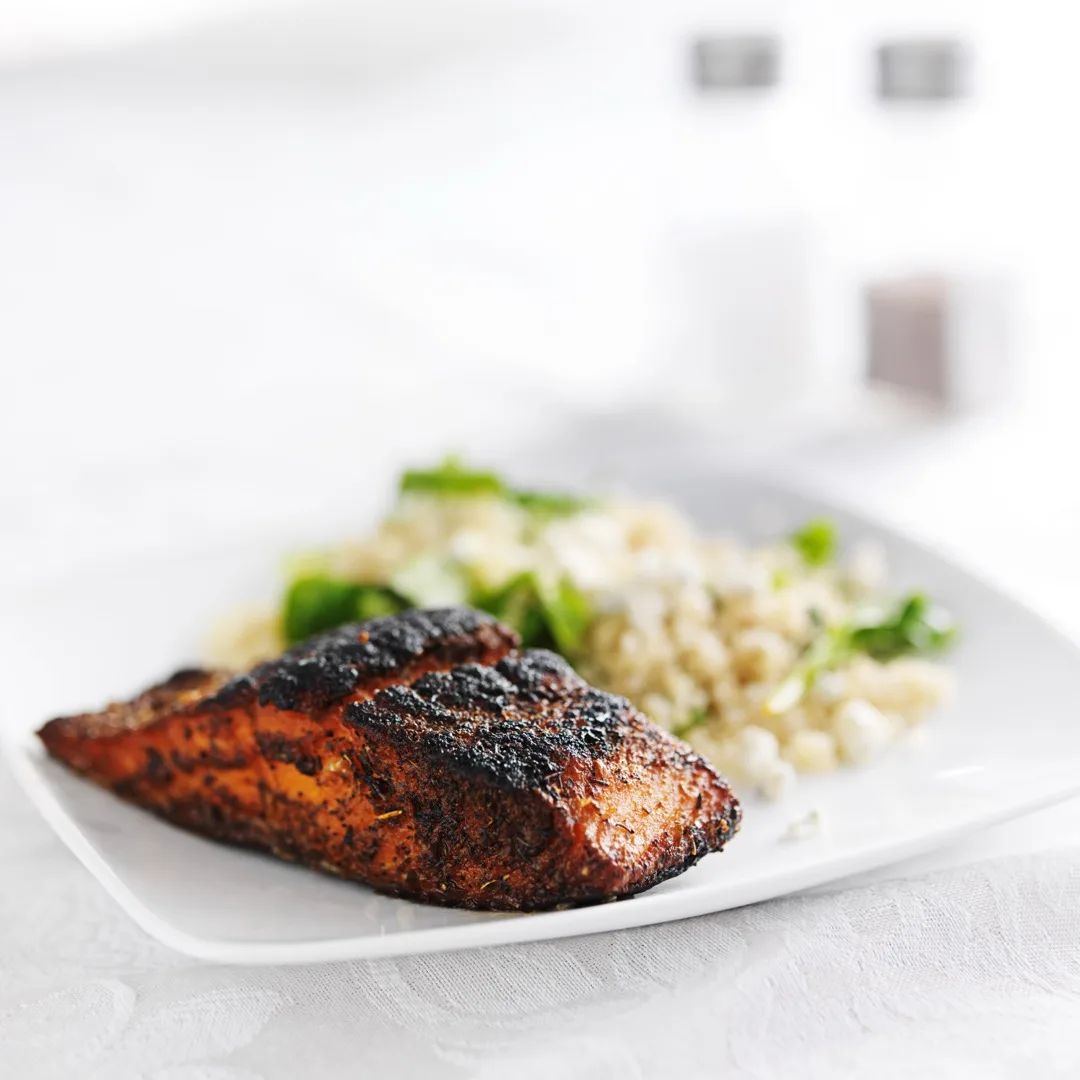
Blackened Gulf fish served with dirty rice and fresh lemon on a white plate
Perfectly blackened Gulf fish plated with dirty rice and a squeeze of fresh lemon — a true taste of Louisiana at Gallier’s.

Blackened Fish at Gallier’s

At Gallier’s Seafood & Oyster Bar, blackened fish isn’t just another menu item — it’s a craft we take seriously. We honor the tradition that Paul Prudhomme started while bringing our own sensibility to the table.

It starts with sourcing. We work with Gulf fishermen to bring in the freshest redfish, snapper, and catfish available — fish that was swimming in the Gulf of Mexico hours before it hits our kitchen. Freshness matters enormously with blackening because the technique is so fast and so intense that there’s nowhere for subpar fish to hide.

Our seasoning blend is mixed in-house daily. We use whole spices, toasted and ground fresh, because pre-ground spices lose their volatile oils and complexity over time. The difference between freshly ground cayenne and something that’s been sitting in a jar for six months is the difference between a great blackened fish and a forgettable one.

Then there’s the skillet. We use heavy, well-seasoned cast iron that’s been building character for years. The pans are heated until they’re just short of glowing — a temperature that would terrify most home cooks but is essential for that instantaneous, crackling crust. Each fillet gets a generous dip in clarified butter, a thorough coating of our seasoning blend, and less than four minutes of total cook time. The result is a crust that shatters audibly when you cut into it, revealing steam-white, perfectly flaky fish beneath.

Whether you order our blackened redfish, try it on a po’boy, or go with blackened catfish alongside dirty rice, you’re tasting decades of New Orleans tradition executed with care and conviction.

Pairing Blackened Fish with Other NOLA Favorites

Blackened fish is bold enough to stand alone, but it truly shines when paired with the right accompaniments. In New Orleans, we don’t do subtle side dishes — we build a plate where every element earns its place.

Dirty Rice: The unofficial best friend of blackened fish. Dirty rice — named for its “dirty” appearance from chicken livers, ground pork, and the Cajun holy trinity of onion, celery, and bell pepper — brings earthy, savory depth that complements the spicy crust beautifully. The soft, flavorful rice also provides textural contrast to the shattering blackened exterior.

Creamy Coleslaw: The cool, tangy crunch of coleslaw is the perfect counterbalance to the heat and smokiness of blackened seasoning. That’s why you’ll find it alongside nearly every blackened fish plate in Louisiana. The acidity cuts through the richness of the butter, and the crisp cabbage refreshes your palate between bites.

Stone-Ground Grits: Creamy, buttery grits provide a luxurious base for blackened fish. Spoon the fish over a bed of grits, let the juices and charred spice bits mingle, and you’ve got one of the most soul-satisfying plates in Southern cooking.

Po’Boy Style: Pile blackened fish onto fresh French bread with shredded lettuce, tomato, pickles, and a smear of remoulade sauce, and you’ve got a po’boy that rivals any fried version. The charred spice crust adds a dimension of flavor and texture that makes blackened fish po’boys a growing favorite at Gallier’s.

Start with Oysters: This is New Orleans, after all. Begin your meal with a dozen fresh Gulf oysters — raw on the half shell or chargrilled with garlic butter — before moving on to your blackened entrée. The briny, mineral freshness of oysters is the ideal palate primer for the smoky intensity that follows. It’s a progression from ocean to fire that captures the spirit of Louisiana cuisine in two courses.

Try Blackened Fish at Gallier’s

Ready to taste the char? Visit us at 129 Carondelet St, New Orleans, LA 70130. Call (504) 267-5672 or make a reservation. Open daily — see our full menu to explore blackened fish and our full lineup of Gulf seafood, raw oysters, and New Orleans classics.

Whether you’re a lifelong Cajun food lover or trying blackened fish for the first time, we’ll make sure your first bite is unforgettable.

Related Resources

There’s a moment — just before the fish hits the skillet — when you know something extraordinary is about to happen. The cast iron is screaming hot, the butter is foaming, and the spice-coated fillet meets the pan with a violent, intoxicating sizzle. Smoke billows. The aroma — paprika, cayenne, garlic, thyme — fills every corner of the kitchen. In less than two minutes per side, you have blackened fish: a coal-dark, impossibly flavorful crust encasing tender, juicy flesh. It’s one of Louisiana’s most iconic cooking techniques, born in New Orleans and beloved worldwide. At Gallier’s Seafood & Oyster Bar, it’s one of the dishes we’re proudest to serve.

The Origins of Blackened Fish

The story of blackened fish begins with one man: Chef Paul Prudhomme. In the early 1980s, at his legendary French Quarter restaurant K-Paul’s Louisiana Kitchen, Prudhomme introduced a technique that would change American cooking forever. He took redfish — a firm, mild Gulf fish also known as red drum — dipped it in melted butter, dredged it through a proprietary Cajun spice blend, and seared it in a white-hot cast iron skillet. The result was unlike anything diners had tasted before: a shattering, deeply savory crust that gave way to perfectly cooked, succulent fish.

The dish was an instant sensation. Blackened redfish became the most talked-about plate in America. Food critics raved. Home cooks attempted (and often failed) to replicate it. Restaurants from coast to coast added “blackened” everything to their menus. Prudhomme had single-handedly put Cajun cuisine on the national map — and in the process, nearly drove redfish to extinction. Demand soared so dramatically that Louisiana officials had to impose emergency catch limits on red drum in the late 1980s to protect the species. The fish recovered, but the legend only grew.

What Prudhomme understood — and what we carry forward at Gallier’s — is that blackening isn’t just a recipe. It’s a philosophy of bold, unapologetic flavor rooted in the Cajun and Creole cooking traditions of South Louisiana.

Blackened redfish searing in a cast iron skillet with butter and Cajun spices
The signature sizzle of blackened fish — a fiery cast iron skillet, melted butter, and a bold Cajun spice crust create one of Louisiana’s most iconic dishes.

What Does “Blackened” Actually Mean?

Let’s clear up the biggest misconception right away: blackened fish is not burnt fish. The word “blackened” refers to the dramatic, dark crust that forms when a spice-coated fillet meets an extremely hot surface — and that crust is where all the magic lives.

Here’s how the technique works. First, the fish fillet is dipped in melted unsalted butter, which serves a dual purpose: it helps the seasoning adhere to the surface and promotes rapid, even browning. Next, the fillet is coated generously — almost aggressively — in a Cajun spice blend. Then comes the critical step: the fish goes into a dry cast iron skillet heated to near-glowing temperatures, often 500°F or higher.

At those extreme temperatures, something remarkable happens. The butter vaporizes almost instantly, and the spices undergo a rapid Maillard reaction — the same chemical process that gives seared steak its savory complexity. The spice blend chars and caramelizes in seconds, creating a thin but intensely flavorful crust. The dark, almost jet-black color comes entirely from the charred spices, not from the fish burning. Inside, the fish stays moist, flaky, and delicate — a beautiful contrast to that smoky, spicy exterior.

The technique demands confidence and speed. There’s no room for timidity. The skillet must be blisteringly hot, the coating must be even, and the cook must commit. It’s this boldness — this willingness to push heat to the edge — that separates true blackened fish from a pale imitation dusted with seasoning on a medium-warm pan.

The Blackened Seasoning Blend

If the cast iron skillet is the engine of blackened fish, the spice blend is the soul. Every kitchen guard its own version, but the foundation remains consistent — a carefully calibrated mix of heat, earthiness, and aromatic depth that transforms a simple fillet into something extraordinary.

What’s in the Mix

A traditional blackened seasoning blend includes:

  • Paprika — the backbone of the blend, providing deep red color and a sweet, smoky base note. Most kitchens use a combination of sweet and smoked paprika.
  • Cayenne pepper — the primary heat source. This is what brings the fire, and the amount determines whether your blackened fish whispers or shouts.
  • Garlic powder — savory depth and an unmistakable aroma that becomes deeply nutty when charred.
  • Onion powder — subtle sweetness that balances the heat and rounds out the flavor profile.
  • Dried thyme — earthy and slightly floral, a classic Louisiana herb that connects blackened fish to the broader tradition of Cajun and Creole seasoning.
  • Dried oregano — peppery and slightly bitter, adding complexity and preventing the blend from tasting one-dimensional.
  • Black pepper — sharp, biting heat that works differently from cayenne, hitting the back of the palate.
  • White pepper — a sneaky, slow-building heat that lingers. This is the ingredient most home cooks forget, and it makes a bigger difference than you’d expect.

Why the Balance Matters

The genius of a great blackened seasoning isn’t any single ingredient — it’s the architecture of the blend. Paprika provides the canvas. Cayenne delivers immediate, front-of-mouth heat. Black pepper and white pepper add secondary and tertiary layers of spice that unfold as you eat. Garlic and onion powder build savory depth. Thyme and oregano bring herbal complexity that keeps you coming back for another bite.

Get the ratios wrong, and you end up with a one-note blast of heat or a muddy, indistinct flavor. Get them right, and every bite reveals something new — smoke, then heat, then herbs, then a lingering warmth that makes you reach for your fork before you’ve finished chewing. At Gallier’s, we’ve spent years refining our proprietary blend to strike exactly that balance.

Assorted Cajun spices including paprika, cayenne, and herbs on a rustic wooden table
The building blocks of blackened seasoning — paprika, cayenne, garlic powder, thyme, and oregano come together to create that signature Cajun heat and depth.

Best Fish for Blackening

Not every fish can handle the intensity of blackening. The technique demands fillets that are firm enough to hold together under extreme heat, thick enough to stay moist inside while the crust chars, and mild enough in flavor to let the spice blend shine. Here are the best options — all of which you’ll find on the Gulf Coast and on our menu at Gallier’s.

Redfish (Red Drum)

This is where it all started, and redfish remains the gold standard for blackening. Red drum has a firm, meaty texture with large, moist flakes that hold up beautifully to the violence of a screaming cast iron skillet. The flavor is mild and slightly sweet — just enough character to complement the spice crust without competing with it. Redfish is a Gulf staple, deeply connected to Louisiana’s fishing heritage, and when you order blackened redfish in New Orleans, you’re eating a dish with over four decades of history behind it. Thanks to sustainable management practices, Gulf redfish populations have rebounded, and we’re proud to serve it responsibly.

Catfish

A Southern favorite for good reason. Catfish has a mild, clean flavor and a tender-firm texture that absorbs seasoning like a sponge. Farm-raised catfish, in particular, offers consistent quality and a neutral taste profile that makes it an ideal canvas for Cajun blackened fish seasoning. It’s also one of the most affordable options, which is why it’s been a staple of Louisiana seafood kitchens for generations. Blackened catfish with a squeeze of lemon and a side of coleslaw is about as Southern as it gets.

Gulf Snapper

Snapper is more delicate than redfish or catfish, with a finer flake and a slightly sweet, nutty flavor. It requires a lighter hand — thinner fillets mean less time in the skillet — but when done right, blackened snapper is stunning. The spice crust provides a crunchy counterpoint to the silky, tender flesh. Red snapper from the Gulf of Mexico is one of the most prized fish in New Orleans seafood culture, and blackening it honors that tradition while adding a Cajun edge.

Other Great Options

The beauty of blackening is its versatility. Beyond the classics, several other fish take exceptionally well to the technique:

  • Drum — Similar to redfish in texture and flavor, black drum is plentiful in the Gulf and stands up to high heat with ease.
  • Mahi-mahi — Dense, meaty, and slightly sweet. Its firm flesh makes it almost impossible to overcook, which is forgiving for the intense blackening process.
  • Swordfish — Thick, steak-like cuts that develop an incredible crust while maintaining a buttery, medium-rare center. Blackened swordfish is a showstopper.

The common thread? Firm texture and mild flavor. Delicate, flaky fish like sole or tilapia tend to fall apart under the extreme heat and get overpowered by the seasoning. Stick with the sturdy Gulf favorites and you’ll be rewarded every time.

Blackened Gulf fish served with dirty rice and fresh lemon on a white plate
Perfectly blackened Gulf fish plated with dirty rice and a squeeze of fresh lemon — a true taste of Louisiana at Gallier’s.

Blackened Fish at Gallier’s

At Gallier’s Seafood & Oyster Bar, blackened fish isn’t just another menu item — it’s a craft we take seriously. We honor the tradition that Paul Prudhomme started while bringing our own sensibility to the table.

It starts with sourcing. We work with Gulf fishermen to bring in the freshest redfish, snapper, and catfish available — fish that was swimming in the Gulf of Mexico hours before it hits our kitchen. Freshness matters enormously with blackening because the technique is so fast and so intense that there’s nowhere for subpar fish to hide.

Our seasoning blend is mixed in-house daily. We use whole spices, toasted and ground fresh, because pre-ground spices lose their volatile oils and complexity over time. The difference between freshly ground cayenne and something that’s been sitting in a jar for six months is the difference between a great blackened fish and a forgettable one.

Then there’s the skillet. We use heavy, well-seasoned cast iron that’s been building character for years. The pans are heated until they’re just short of glowing — a temperature that would terrify most home cooks but is essential for that instantaneous, crackling crust. Each fillet gets a generous dip in clarified butter, a thorough coating of our seasoning blend, and less than four minutes of total cook time. The result is a crust that shatters audibly when you cut into it, revealing steam-white, perfectly flaky fish beneath.

Whether you order our blackened redfish, try it on a po’boy, or go with blackened catfish alongside dirty rice, you’re tasting decades of New Orleans tradition executed with care and conviction.

Pairing Blackened Fish with Other NOLA Favorites

Blackened fish is bold enough to stand alone, but it truly shines when paired with the right accompaniments. In New Orleans, we don’t do subtle side dishes — we build a plate where every element earns its place.

Dirty Rice: The unofficial best friend of blackened fish. Dirty rice — named for its “dirty” appearance from chicken livers, ground pork, and the Cajun holy trinity of onion, celery, and bell pepper — brings earthy, savory depth that complements the spicy crust beautifully. The soft, flavorful rice also provides textural contrast to the shattering blackened exterior.

Creamy Coleslaw: The cool, tangy crunch of coleslaw is the perfect counterbalance to the heat and smokiness of blackened seasoning. That’s why you’ll find it alongside nearly every blackened fish plate in Louisiana. The acidity cuts through the richness of the butter, and the crisp cabbage refreshes your palate between bites.

Stone-Ground Grits: Creamy, buttery grits provide a luxurious base for blackened fish. Spoon the fish over a bed of grits, let the juices and charred spice bits mingle, and you’ve got one of the most soul-satisfying plates in Southern cooking.

Po’Boy Style: Pile blackened fish onto fresh French bread with shredded lettuce, tomato, pickles, and a smear of remoulade sauce, and you’ve got a po’boy that rivals any fried version. The charred spice crust adds a dimension of flavor and texture that makes blackened fish po’boys a growing favorite at Gallier’s.

Start with Oysters: This is New Orleans, after all. Begin your meal with a dozen fresh Gulf oysters — raw on the half shell or chargrilled with garlic butter — before moving on to your blackened entrée. The briny, mineral freshness of oysters is the ideal palate primer for the smoky intensity that follows. It’s a progression from ocean to fire that captures the spirit of Louisiana cuisine in two courses.

Try Blackened Fish at Gallier’s

Ready to taste the char? Visit us at 129 Carondelet St, New Orleans, LA 70130. Call (504) 267-5672 or make a reservation. Open daily — see our full menu to explore blackened fish and our full lineup of Gulf seafood, raw oysters, and New Orleans classics.

Whether you’re a lifelong Cajun food lover or trying blackened fish for the first time, we’ll make sure your first bite is unforgettable.

Related Resources

Leave a Reply

Your email address will not be published. Required fields are marked *

Close
This website uses cookies to improve your web experience.
Close