Jump to the Flavor
Why Crawfish Are the Heart of Louisiana Food Culture
If there’s one food that defines Louisiana more than any other, it might just be the crawfish. These small freshwater crustaceans — called crawdads or crayfish elsewhere, but always crawfish in New Orleans — are woven into the culinary and cultural fabric of the state. Every spring, crawfish season transforms the city. Restaurants build their menus around them, backyards fill with the smell of boiling spices, and locals debate the merits of their favorite crawfish spots with the kind of passion usually reserved for Saints football.
For visitors, crawfish are one of the essential New Orleans food experiences. Whether you’re peeling boiled crawfish at a newspaper-covered table, savoring a creamy crawfish étouffée, or twirling crawfish pasta on your fork, this is a flavor you won’t find anywhere else in the country quite like you find it here.
Crawfish Season: When to Come for the Best
Crawfish season in Louisiana generally runs from January through June, though the exact timing depends on weather and water conditions. The peak months are March through May — this is when crawfish are at their largest, most abundant, and most affordable.
Early Season (January – February)
Crawfish start appearing on menus in January, but early-season crawfish tend to be smaller and pricier. The supply is still building, and cold snaps can slow the harvest. You’ll find them available, but portions may be modest and prices higher than peak season.
Peak Season (March – May)
This is when New Orleans goes crawfish-crazy. Warm spring weather pushes crawfish to their full size, and the supply floods the market. Prices drop, portions increase, and nearly every restaurant in the city features crawfish prominently. If you’re planning a trip specifically for crawfish, aim for this window.
Late Season (June)
By June, the season is winding down. Crawfish are still available but becoming scarcer and sometimes mushy as water temperatures rise. Most crawfish boils wrap up by mid-June, though restaurants may continue serving crawfish dishes using the last of the season’s harvest.
How to Eat Boiled Crawfish Like a Local
Boiled crawfish are the most iconic preparation, and eating them is a hands-on experience. If you’ve never done it, here’s the technique that locals learn as children:
- Twist and pull: Hold the crawfish with both hands. Twist the tail away from the head with a firm, quick motion. They should separate easily.
- Suck the head: This is optional, but locals swear by it. The head contains concentrated juices and seasoning from the boil — it’s where the flavor lives. Put the open end to your lips and give it a quick suck.
- Pinch the tail: Squeeze the base of the tail (the widest part near where the head was) while pulling the meat out from the narrow end. The tail meat should slide out in one piece.
- Eat and repeat: A typical boiled crawfish order is measured in pounds, and you’ll go through dozens of crawfish in a sitting. The process gets faster with practice.
The traditional boil seasons crawfish with a mix of cayenne pepper, garlic, lemon, bay leaves, salt, and proprietary spice blends. Corn on the cob, potatoes, and sometimes sausage are boiled alongside the crawfish, absorbing all those flavors. It’s messy, communal, and one of the most fun dining experiences in New Orleans.
Beyond the Boil: Crawfish Preparations You Need to Try
Boiled crawfish get all the attention, but Louisiana cooks have been finding creative ways to use crawfish for generations. Here are the preparations worth seeking out:
Crawfish Etouffee
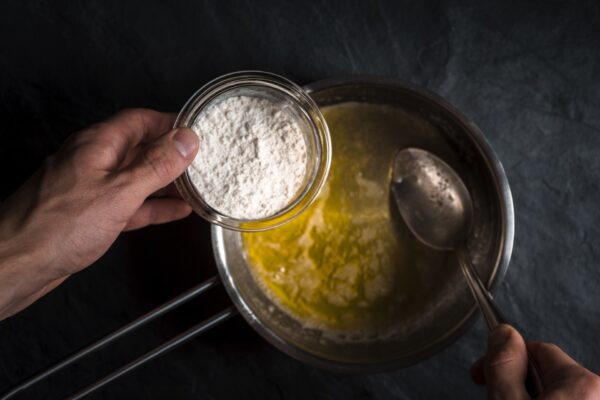
Étouffée — from the French word meaning “smothered” — is one of the great Cajun-Creole dishes. Crawfish tails are cooked in a rich, buttery roux-based sauce with onions, celery, bell pepper (the Cajun holy trinity), garlic, and a blend of spices. The sauce is thick, deeply flavored, and ladled over steamed white rice. A good étouffée balances richness with the natural sweetness of crawfish tail meat. Learn more about this classic in our guide to étouffée.
Crawfish Pasta
Crawfish pasta takes the same sweet tail meat and pairs it with a creamy, seasoned sauce tossed with pasta. It’s the kind of dish that bridges Cajun tradition with something universally comforting. At Gallier’s, our Seafood Penne Pasta ($26) pairs shrimp and crawfish with creamy penne and bell pepper — the crawfish flavor comes through in every bite.
Crawfish Bisque
Crawfish bisque is one of the most labor-intensive dishes in Louisiana cooking. The soup features a rich, tomato-tinged broth filled with stuffed crawfish heads — each one packed with a seasoned mixture of crawfish meat, breadcrumbs, and aromatics. It’s a dish that takes hours to prepare and represents Cajun cooking at its most dedicated.
Fried Crawfish Tails
For those who love fried seafood — and in New Orleans, that’s nearly everyone — fried crawfish tails are a revelation. The tails are battered, deep-fried until golden and crunchy, and served with remoulade or cocktail sauce. They work as an appetizer, a Po’Boy filling, or a standalone plate.
Crawfish Pie
A savory pie filled with crawfish tails in a creamy, seasoned filling, baked inside a flaky pastry crust. Crawfish pie is comfort food at its finest and a staple at Louisiana gatherings. The Cajun musician and cookbook author Justin Wilson famously declared it one of the essential dishes of Louisiana.
What Makes Louisiana Crawfish Special
Louisiana produces roughly 90 percent of the crawfish harvested in the United States. The state’s unique geography — vast wetlands, swamps, rice paddies, and river basins — creates ideal conditions for crawfish to thrive. The Atchafalaya Basin, the largest river swamp in America, is the heartland of wild crawfish harvesting, while aquaculture farms (particularly in rice fields that flood seasonally) supply the rest.
Louisiana crawfish have a distinctly sweet, delicate flavor compared to crawfish from other regions. The warm Gulf climate, mineral-rich waters, and the natural diet of decomposing vegetation all contribute to this flavor profile. It’s why Louisiana crawfish command a premium and why chefs across the country specifically source from the state.
The connection between crawfish and Louisiana identity runs deep. Crawfish boils are social events — families and friends gather around outdoor tables, newspapers spread out, cold drinks in hand, spending hours peeling and eating together. It’s not just a meal; it’s a tradition that defines spring in Louisiana the way barbecue defines summer in Texas.
Where to Find Great Crawfish in New Orleans
New Orleans is full of options for crawfish during season, from upscale restaurants to casual joints and backyard boils. The key is knowing what to look for:
- Freshness: The best crawfish restaurants source daily from Louisiana farms and bayous. Ask where the crawfish come from — local is always better.
- Seasoning: Every cook has their own boil recipe. Look for places that season assertively but don’t mask the natural crawfish flavor with excessive heat.
- Variety: A great crawfish restaurant doesn’t just boil — they also offer étouffée, pasta, bisque, and fried preparations, showing range and skill with the ingredient.
At Gallier’s, crawfish appears in several forms on our menu, including the Seafood Penne Pasta, Gallier’s Crawfish Fries and the Red Snapper topped with creamy crawfish sauce. Check our menu for current offerings.
Pairing Crawfish with Other New Orleans Favorites
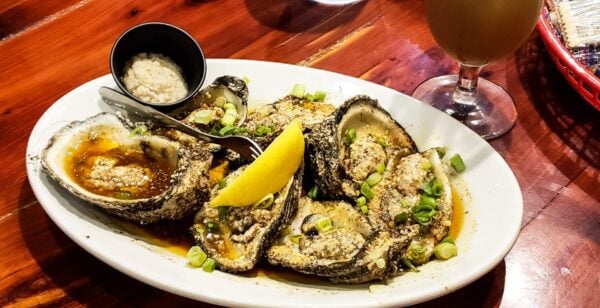
Crawfish pairs beautifully with other Louisiana staples. If you’re building a meal around crawfish, consider starting with raw or charbroiled oysters — the briny, mineral flavor of oysters contrasts perfectly with the sweet richness of crawfish. Add a cup of gumbo for a trio that covers the essential flavors of the city.
For drinks, crawfish calls for something cold and simple. Ice-cold beer is the traditional pairing for boiled crawfish, while crawfish pasta or étouffée work well with a crisp white wine or a refreshing cocktail.
Want to dive deeper into Louisiana seafood? Check our Louisiana Seafood Season Calendar to plan your visit around what’s freshest, or explore the difference between Cajun and Creole cooking to better understand the culinary landscape.
Try Crawfish at Gallier’s
Whether you’re a crawfish veteran or peeling your first tail, Gallier’s Seafood & Oyster Bar in the CBD offers a welcoming place to experience one of Louisiana’s greatest culinary treasures. Our kitchen celebrates crawfish through dishes that honor tradition while delivering the quality and flavor that keep guests coming back.
Ready to dig in?
Call (504) 267-5672 or reserve your table at Gallier’s.
129 Carondelet St, New Orleans, LA 70130 — Open daily.