Jump to the Flavor
The Heartbeat of Southern Cooking
From the Gulf of Mexico to the heart of New Orleans, seafood isn’t just food — it’s part of the city’s rhythm. At Gallier’s Restaurant & Oyster Bar, every dish tells the story of the Gulf: its waters, its fishermen, and its generations of flavor. But what exactly makes Gulf seafood so special?
“The Gulf is more than a coastline — it’s a living pantry that feeds the soul of Louisiana.”
1. The Warm Waters That Shape the Flavor
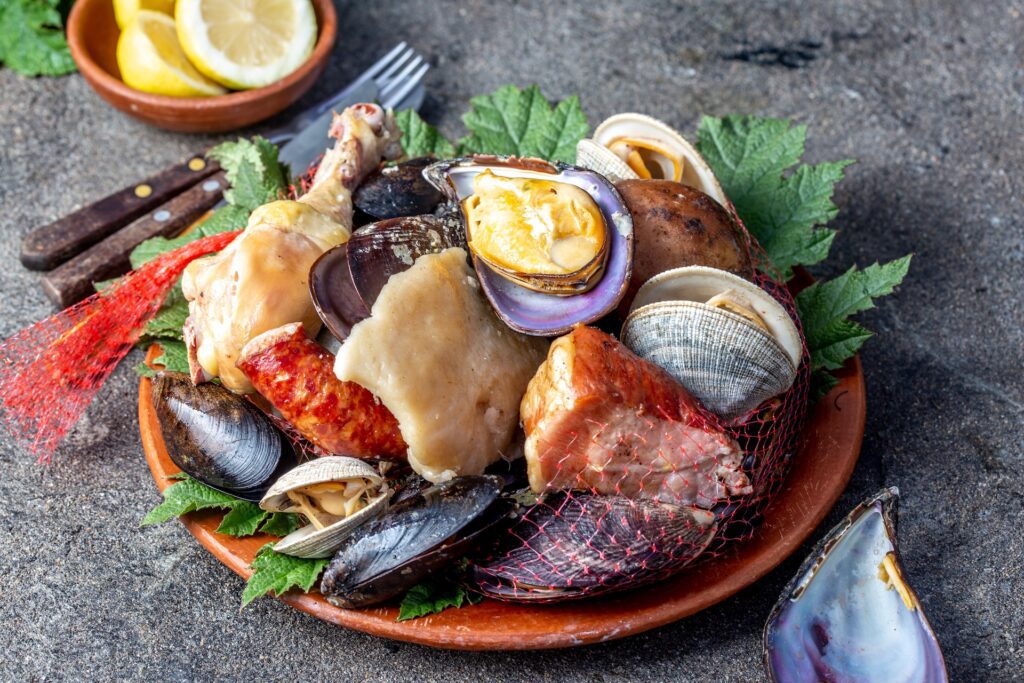
The Gulf of Mexico is known for its warm, nutrient-rich waters, creating an ideal environment for fish, shrimp, oysters, and crabs to thrive. Unlike the colder Atlantic or Pacific regions, the Gulf’s unique temperature and salinity produce seafood with a sweeter, milder flavor and tender texture.
- Shrimp: Gulf shrimp are plump, juicy, and slightly sweet — perfect for gumbo or po’boys.
- Oysters: Gulf oysters are larger and creamier than East Coast varieties, ideal for grilling or charbroiling.
- Fish: Snapper, grouper, and redfish develop a clean, buttery profile thanks to the Gulf’s natural ecosystem.
It’s nature’s own recipe — sunlight, saltwater, and time — working together to create seafood unlike anywhere else on Earth.
2. Freshness You Can Taste — Every Single Day
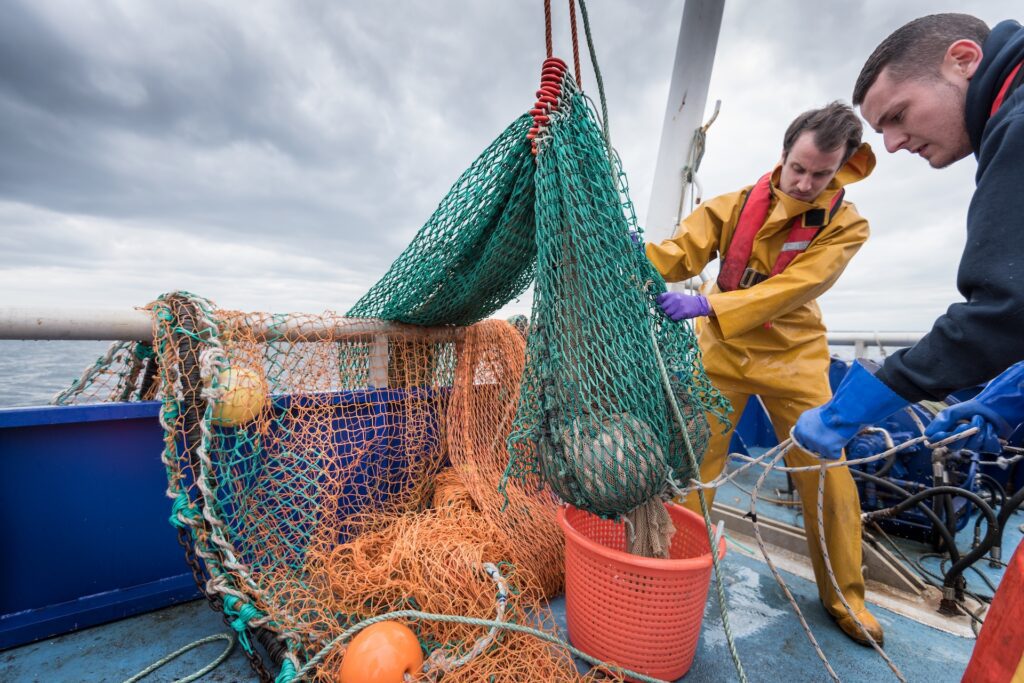
In New Orleans, distance matters. Because of its proximity to the Gulf, restaurants like Gallier’s receive fresh catches daily — not frozen or flown in, but delivered straight from local docks. This means the fish on your plate was likely swimming just a day or two ago.
That’s why Gulf seafood has an unmistakable edge: the fresh, briny aroma of the sea and the firm, natural texture that only comes from local sourcing.
“When your seafood travels less, its flavor travels more.”
Every bite you take carries the story of coastal Louisiana — its fishermen, its tides, and its timeless connection to the water.
3. A Heritage of Local Fishermen and Family Businesses
Gulf seafood isn’t just about geography — it’s about people. The fishermen who’ve worked these waters for generations bring skill, intuition, and pride to their craft. Many of them supply directly to restaurants like Gallier’s, ensuring that quality stays personal.
- Family-run boats that hand-select shrimp and crabs.
- Local oyster farmers who know each reef by heart.
- Dockside vendors who call chefs directly when a great catch comes in.
This deep-rooted network of trust ensures not only freshness but also authenticity — each dish becomes a collaboration between chef and fisherman.
4. Diversity in Every Dish
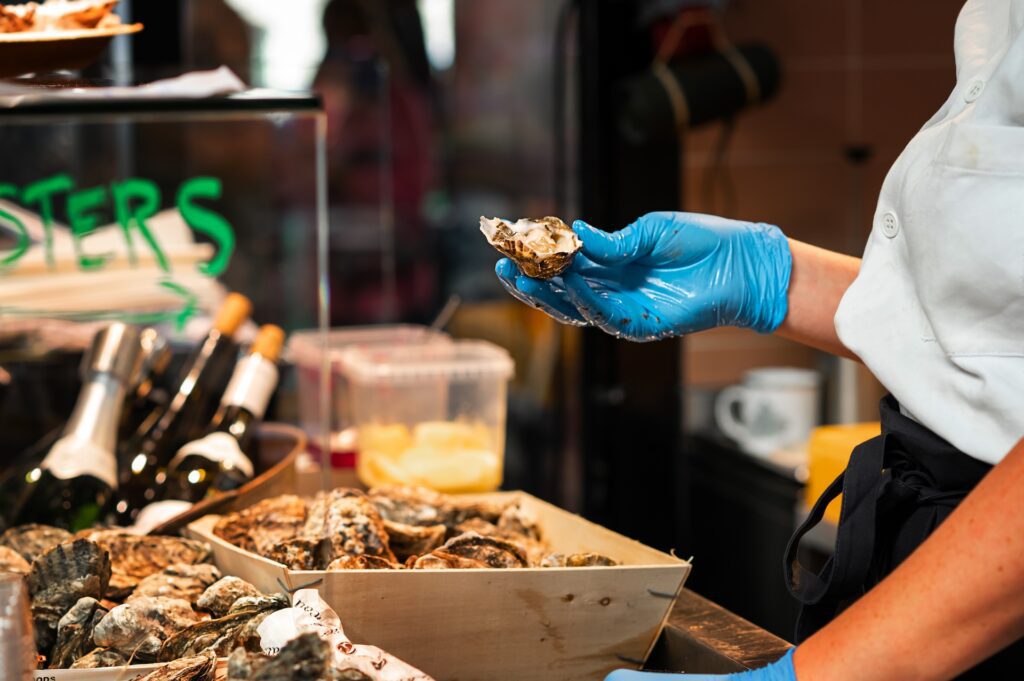
The Gulf’s ecosystem is one of the most diverse in the world, producing an incredible range of seafood — from blue crab and crawfish to red snapper, grouper, catfish, and flounder. This abundance allows chefs to experiment and create dishes that are vibrant, balanced, and deeply flavorful.
At Gallier’s, this diversity shows up across the menu:
- Golden-fried Gulf shrimp po’boys dressed with spicy mayo
- Charbroiled oysters with garlic butter and Parmesan
- Blackened redfish, and red snapper topped with creamy crawfish sauce
- Shrimp, oyster and fish platters, fried golden or grilled
Every recipe is built on the foundation of Gulf seafood — versatile, rich, and unmistakably Southern.
5. Sustainability and Stewardship
One of the most overlooked aspects of Gulf seafood is the care that goes into maintaining it. Louisiana’s fishing community takes sustainability seriously — with regulated seasons, catch limits, and coastal restoration projects that protect marine life for future generations.
Restaurants like Gallier’s partner with trusted local suppliers who share that responsibility. Supporting Gulf fisheries isn’t just about flavor; it’s about ensuring that the same quality of seafood continues for decades to come.
“Sustainability isn’t a trend here — it’s tradition.”
6. A Flavor That Defines New Orleans
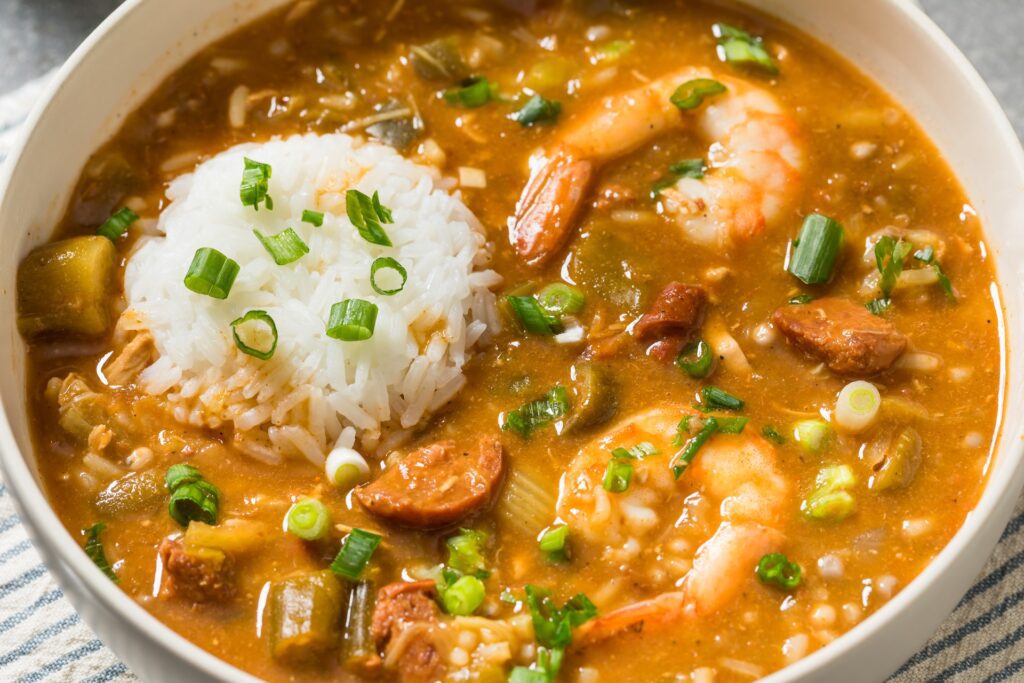
Walk through the French Quarter and you’ll smell it — the aroma of oysters sizzling on the grill, shrimp being tossed in spice, gumbo bubbling on the stove. Gulf seafood is the heartbeat of Creole and Cajun cuisine, blending ocean freshness with local spice and hospitality.
That’s what makes it so distinct — not just the ingredients, but the people who turn them into art. At Gallier’s, each plate celebrates that fusion: local ingredients, classic recipes, and Southern soul.
7. Taste the Gulf at Gallier’s
Every dish at Gallier’s Restaurant & Oyster Bar is a love letter to the Gulf. Whether it’s a crisp oyster platter, a bowl of gumbo, or a tender fillet of redfish, what you’re really tasting is the coast — fresh, vibrant, and full of life.
Join us in celebrating the flavors that make New Orleans unlike anywhere else in the world.
References
- Louisiana Seafood Promotion & Marketing Board
- NOLA.com – Local Seafood Stories
- National Geographic – The Gulf Ecosystem
Experience Gulf Seafood at Gallier’s
From fresh Gulf oysters to Louisiana shrimp, crab, and crawfish — Gallier’s Seafood & Oyster Bar showcases the very best of Gulf seafood in every dish. Our oyster bar features daily catches prepared in traditional Cajun cuisine and Creole food styles, including gumbo, po’boys, charbroiled oysters, and seafood platters.
Looking for the best seafood restaurant near me in New Orleans? Reserve a table at 129 Carondelet St and taste why Gulf seafood is world-famous.
Related Seafood Reads
- Boat to Bar: The Journey of Fresh Seafood
- Shrimp, Crab, Crawfish: What’s the Difference?
- Local Ingredients We Use in Our Kitchen
- 5 Health Benefits of Oysters
Frequently Asked Questions
Why is Gulf seafood considered the best?
Gulf of Mexico waters are warm, nutrient-rich, and produce seafood with distinctive sweetness and tender texture. The Gulf provides 70% of America’s oysters and is home to world-class shrimp, crab, and crawfish — the foundation of New Orleans seafood restaurants.
What types of seafood come from the Gulf of Mexico?
The Gulf produces oysters, shrimp (brown, white, and pink), blue crab, crawfish, redfish, grouper, snapper, and tuna. These are staples at New Orleans oyster bars and Cajun seafood restaurants.
Is Gulf seafood sustainable?
Yes, many Gulf fisheries follow strict sustainability practices. Louisiana’s oyster reefs are carefully managed, and shrimp/crab seasons are regulated to prevent overfishing. Restaurants like Gallier’s prioritize sustainably sourced Gulf seafood.