
Jump to the Flavor
Why Seafood Owns the Mardi Gras Table
Mardi Gras has always been as much about eating as it is about parading. Centuries before bead-throwing became a sport, coastal Louisianians marked the season with bowls of steaming seafood gumbo and platters of fresh oysters. The timing isn’t random: late winter is the sweet spot for Gulf harvests. Water temperatures cool, salinity stabilizes, and bivalves tighten up, delivering a cleaner, brinier finish. If you’re visiting New Orleans for Carnival, leaning into the sea is a delicious—and historically grounded—decision.
February is Gulf oyster perfection: plump, icy-cold, and begging for either a quick shuck or a lick of charbroiled fire.
A Snapshot of Seasonal Bounty
- Gulf oysters hit peak flavor between December and March.
- Blue crab stocks are high after fall spawning—ideal for crab-stuffed mirliton and deviled crabs.
- Louisiana white shrimp remain abundant through early spring, perfect for étouffée and BBQ shrimp.
With that calendar intel in mind, let’s map out exactly what—and where—to eat during Mardi Gras week.
Signature Gulf Oysters: Where to Slurp and Savor
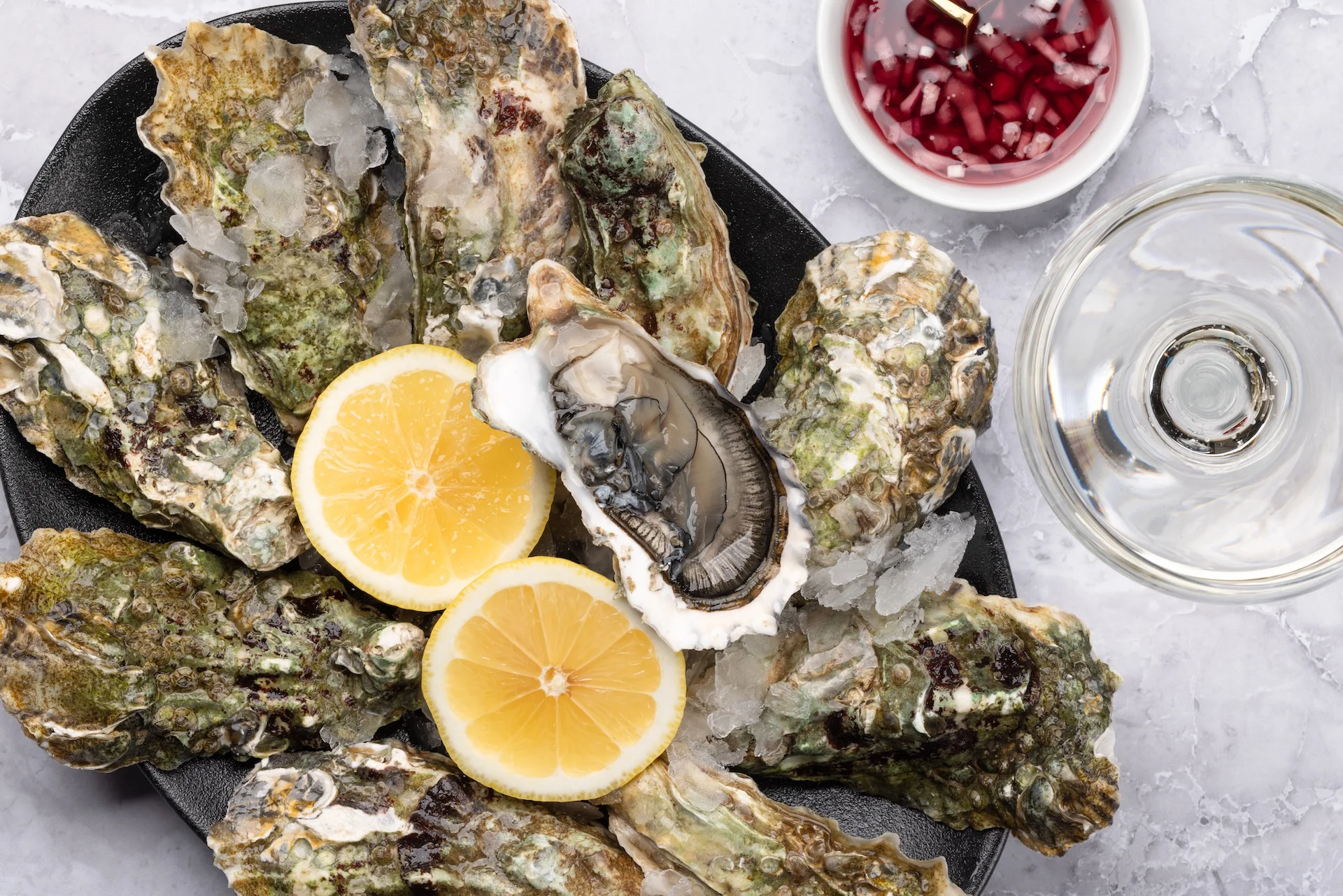
Raw on the Half Shell
Nothing kicks off a parade day like a dozen raw oysters slicked with lemon and a dab of house-made cocktail sauce. At Gallier’s oyster bar on Carondelet Street, sit down, order a local beer, and a tray of freshly shucked Gulf oysters follows—still shimmering with Gulf liquor.
Charbroiled with Creole Butter
When dusk settles and the temperature nudges down, New Orleanians pivot to charbroiled oysters. Gulf oysters go onto a blazing-hot grill on the half shell, then get flooded with garlic butter and grated cheese. The result: a sizzling, slightly caramelized edge that’s impossible to replicate indoors.
Culinary Note: The technique grew out of Drago’s in Metairie in the 1990s, and has since become a signature of oyster bars all over the city, Gallier’s included. It’s a must-order for first-timers.
Beyond the Oyster: Essential Cajun & Creole Seafood Dishes
Gumbo to Ward Off the February Chill
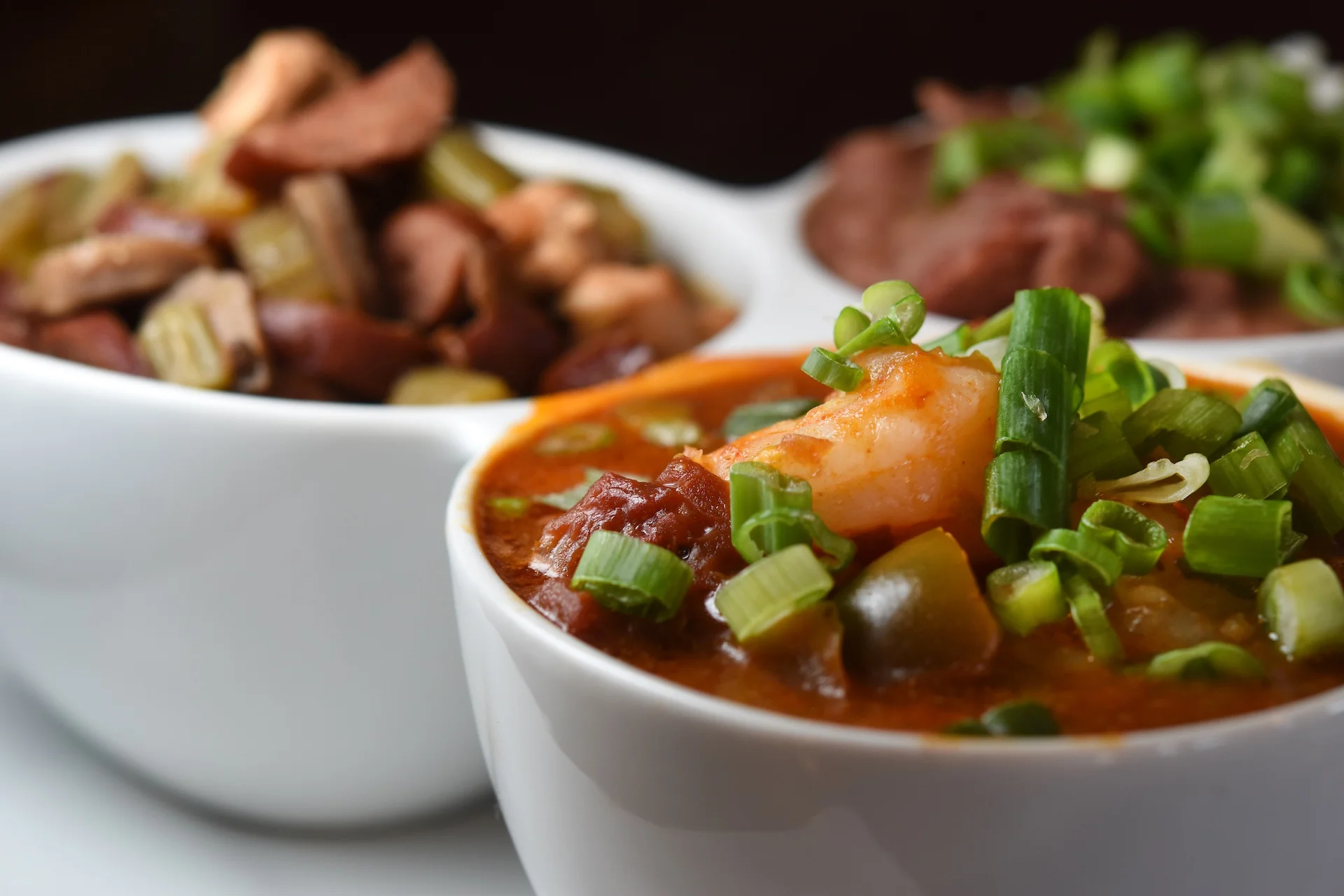
Gumbo is Carnival’s unofficial warming station. A proper bowl layers dark roux, the Cajun trinity (onion, bell pepper, celery), local andouille, and a last-minute haul of crab, shrimp, and sometimes oysters. Gallier’s version is a dark-roux chicken and andouille gumbo, by the cup ($9) or the bowl ($18). It’s hearty enough to stand alone yet light enough to keep you nimble for night parades.
Pair it with a pint of amber ale from Abita Brewing and you have a taste of south-Louisiana winter in one spoonful.
Po’boys Built for Parade Routes
Handheld, easy to share, and unapologetically messy—the po’boy is the original parade fuel. At Gallier’s, the Oyster Po’boy and Shrimp Po’boy come dressed with lettuce, tomato, and spicy mayo on French bread. Pro tip: order one of each and trade halves with your krewe.
Other must-try fillings across town include:
- BBQ shrimp at Liuzza’s by the Track after the Endymion parade.
- Crawfish-smothered catfish at Parkway Bakery during Sunday parades.
Where to Eat Near the French Quarter Parades
Most tourists stick to Bourbon Street, but locals know the smart move is to base yourself on the CBD edge of the Quarter. From Gallier’s address at 129 Carondelet Street, you’re a three-minute walk to Canal Street’s parade route and five minutes to St. Charles Avenue.
- Pre-parade lunch at Gallier’s: raw oysters, a cup of gumbo, local beer.
- Head to Canal Street for the afternoon krewes.
- Quick dinner back at Gallier’s (charbroiled oysters, of course) before catching Krewe of Bacchus.
Need a late-night nightcap? Walk into the Quarter to French 75 Bar for a Cognac-based French 75 and a side of shrimp remoulade. Then call it a night.
Seasonal Tips: How to Order Like a Local
Timing Your Meals
Crowds swell between parades; restaurants fill up fast. Locals eat early—often by 10 AM—and again around 4 PM. Gallier’s hours are Monday–Thursday 10:30 AM–10:00 PM; Friday–Sunday 8:30 AM–10:00 PM — aim for the gaps between parades.
Pairing Drinks with Gulf Seafood
- Raw oysters: crisp Muscadet or a French 75.
- Charbroiled oysters: medium-bodied Chardonnay with a hint of oak to match the butter.
- Seafood gumbo: dark lager or a rye-forward Old Fashioned; rye’s spice complements the roux.
Remember, New Orleans has an open-container policy, so feel free to take that plastic-cup cocktail en route to the next float.
Real-World Mardi Gras Scenarios
You’ve got 40 minutes before Krewe of Zulu begins. Slide into Gallier’s bar and order a half dozen raw oysters with a draft beer. You’ll be out the door with enough time to claim a curb spot on Jackson Square.
Your friends want late-night food but everything looks packed. Eat before the late crush: Gallier’s hours are Monday–Thursday 10:30 AM–10:00 PM; Friday–Sunday 8:30 AM–10:00 PM, so grab a Shrimp Platter early, then settle onto Canal Street for the truck floats.
You promised to bring something to a balcony party. Call Gallier’s at (504) 267-5672 and ask about gumbo to go. It travels well, reheats easily, and makes you the hero of the floor.
Authority Corner: A Brief History of Mardi Gras Seafood
According to the Louisiana Office of Tourism, colonial Catholics embraced seafood during Carnival because meatless days followed during Lent. Over time, Gulf harvests turned the necessity into a luxury: oysters turned from peasant fare to sought-after aphrodisiac, while crawfish boils became the backyard equivalent of tailgate parties.
The Gulf Seafood Institute notes that Louisiana now supplies more than 30 % of the nation’s domestic seafood, a statistic that reinforces why Mardi Gras menus read like maritime inventories. Eating Gulf fish and shellfish isn’t just tasty—it keeps the local fishing economy afloat.
FAQ: Seafood & Mardi Gras in New Orleans
1. Where can I find the best seafood restaurant in New Orleans near the parade routes?
Gallier’s Restaurant & Oyster Bar sits between the French Quarter and CBD, minutes from both Canal Street and St. Charles Avenue routes.
2. Are oysters safe to eat in February?
Yes. Cooler Gulf waters reduce bacteria counts, making February one of the safest—and tastiest—times to enjoy fresh oysters in New Orleans.
3. What’s the difference between Cajun and Creole cuisine?
Cajun food leans rural with smoked meats and dark roux; Creole draws from French, Spanish, and Caribbean influences, using tomatoes and lighter roux. Gallier’s menu offers both styles.
4. Can I get vegetarian options during Mardi Gras at seafood restaurants?
Gallier’s menu is seafood-forward, but there are Caesar and house salads and a veggie omelette at breakfast — ask your server about adjustments.
5. Do I need reservations during Mardi Gras week?
Strongly recommended. Request a table at galliernola.com/reservation or call (504) 267-5672.
Actionable Summary: Your Seafood Roadmap to Carnival
Mardi Gras is a sprint and a marathon. Anchor your eating strategy around Gulf seafood—raw oysters for quick protein, gumbo for warmth, po’boys for mobility. Base yourself near the French Quarter–CBD corridor, reserve early dinners, and eat between parades to dodge peak crowds. Follow the locals: eat early, hydrate often, and never turn down a charbroiled oyster.
New Orleans gives you only a week of full-throttle Carnival each year. Make every bite count.
Celebrate Mardi Gras with the best seafood restaurant near me in New Orleans. Reserve at Gallier’s — oyster bar, gumbo, po’boys, and authentic Cajun cuisine.