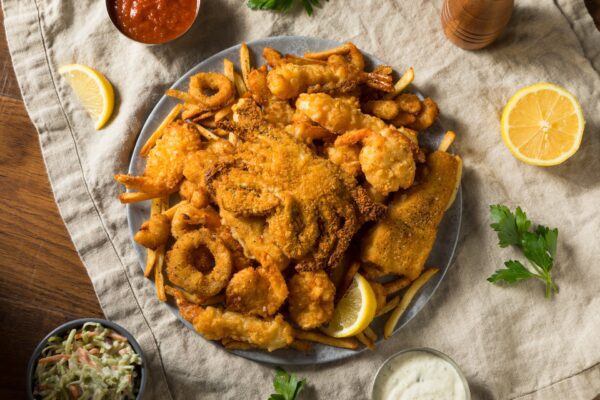
It’s the most common food question in Louisiana: What’s the difference between Cajun and Creole? Even locals sometimes blur the lines. Both cuisines are rooted in Louisiana, both use bold flavors and the holy trinity, and both are served at seafood restaurants across New Orleans. But their origins, techniques, and philosophies are distinctly different.
Jump to the Flavor
Origins: Country vs. City
Cajun Cuisine — The Country Kitchen
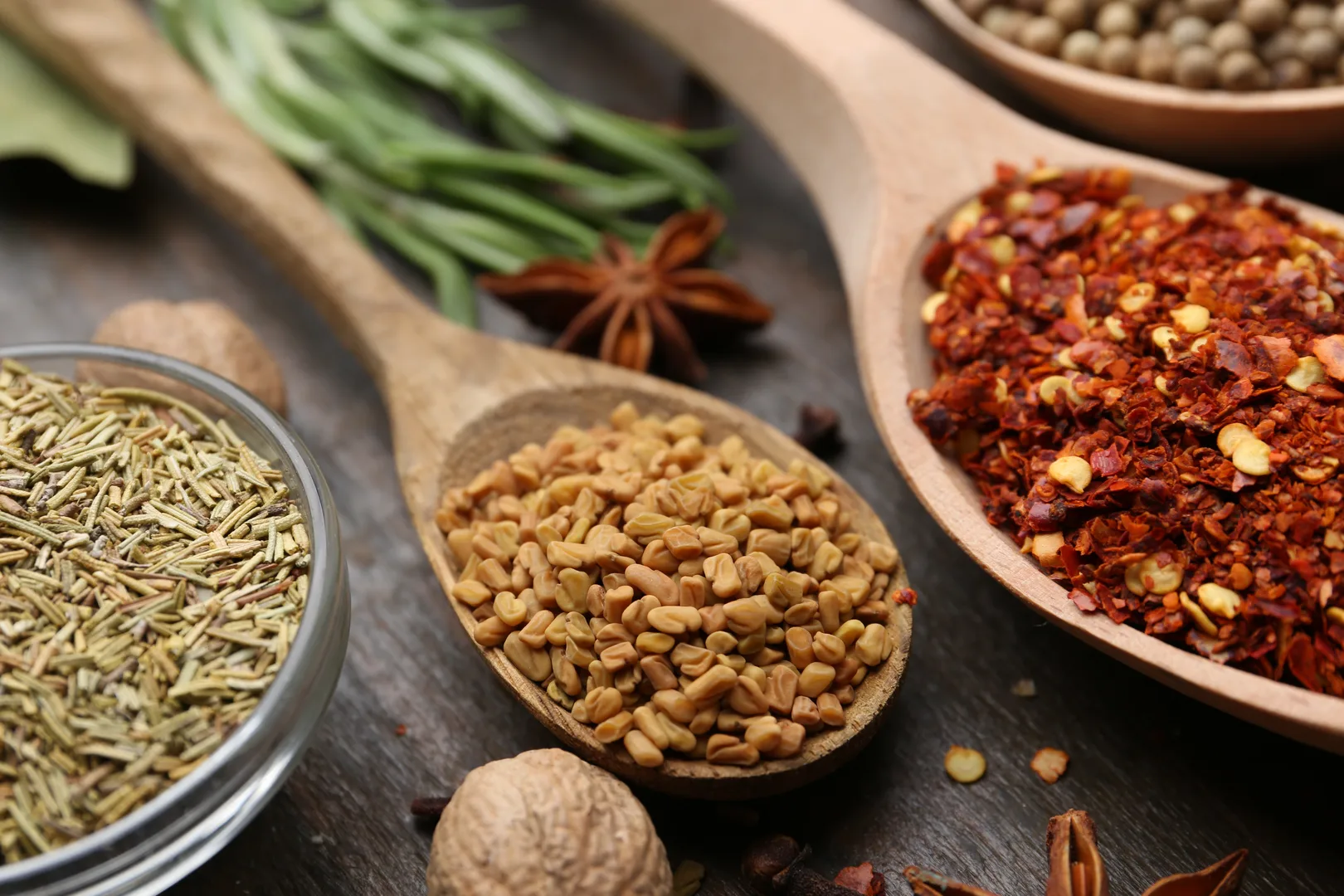
Cajun food comes from the Acadians — French-speaking settlers expelled from Nova Scotia in the 1700s who settled in rural south Louisiana (Acadiana). Living off the land and bayous, they developed a resourceful, one-pot cooking style using local ingredients: crawfish, catfish, game, rice, and whatever the bayou provided.
Cajun cooking is direct, bold, and unapologetic. Think dark roux brown jambalaya, boudin, and pots of gumbo simmered for hours.
Creole Cuisine — The City Kitchen
Creole food was born in New Orleans, a port city where French, Spanish, African, Caribbean, Italian, and Native American cultures collided. With access to imported ingredients, butter, tomatoes, and cream, Creole cuisine became more refined and complex than its Cajun cousin.
Creole cooking is layered, elegant, and multicultural. Think oysters Rockefeller, shrimp Creole, and bread pudding with whiskey sauce.
The Key Differences
| Feature | Cajun | Creole |
|---|---|---|
| Origin | Rural Louisiana (Acadiana) | New Orleans |
| Influences | French-Canadian, rustic | French, Spanish, African, Caribbean |
| Tomatoes | Rarely used | Commonly used |
| Butter/Cream | Less common (uses oil/lard) | Frequently used |
| Cooking style | One-pot, iron skillet | Multi-course, more refined |
| Heat level | Bold, direct cayenne heat | Complex, layered warmth |
| Signature dish | Brown jambalaya, boudin | Shrimp Creole, oysters Rockefeller |
| Roux | Very dark, nutty | Medium brown, buttery |
Where They Overlap
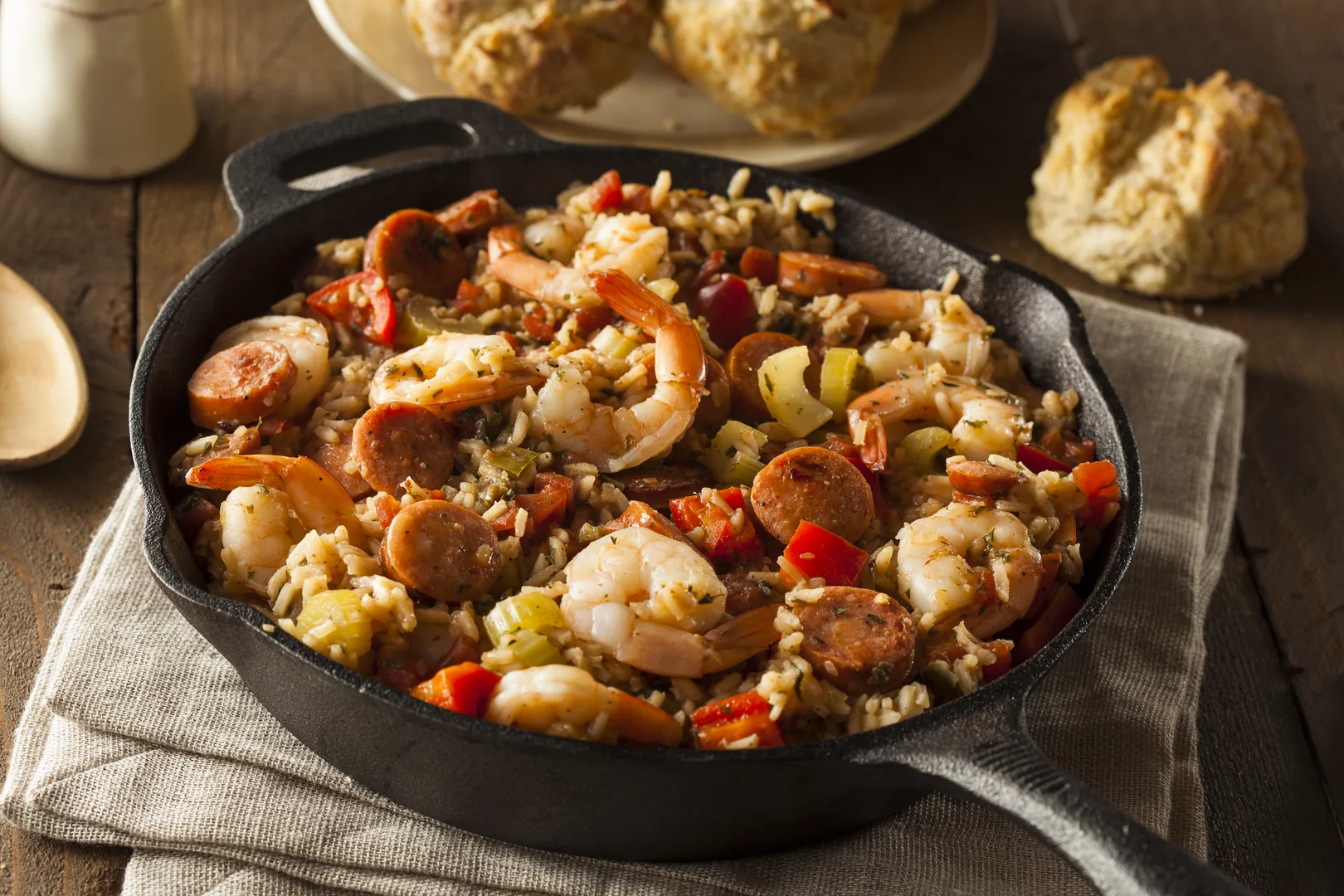
Despite their differences, Cajun and Creole cuisines share a lot:
- The Holy Trinity: Both use onions, bell peppers, and celery as a flavor base
- Gumbo: Both traditions have their own version of this iconic soup
- Seafood: Gulf shrimp, oysters, crawfish, and crab are central to both
- Cajun seasoning: Cayenne, paprika, garlic, and black pepper appear in both
- Rice: A staple served with nearly every dish in both traditions
Iconic Dishes Compared
Gumbo
Cajun: Dark roux, chicken & andouille, no tomatoes, filé powder. Creole: Medium roux, seafood (shrimp, crab, oysters), often with okra and tomatoes.
Jambalaya
Cajun: Brown, no tomatoes, meat-forward. Creole: Red, tomato-based, often with seafood. Read our full comparison.
Po’Boys
Born in New Orleans (Creole territory), but embraced by both traditions. Cajun po’boys might feature boudin or catfish; Creole po’boys lean toward fried oysters and shrimp.
Taste Both at Gallier’s
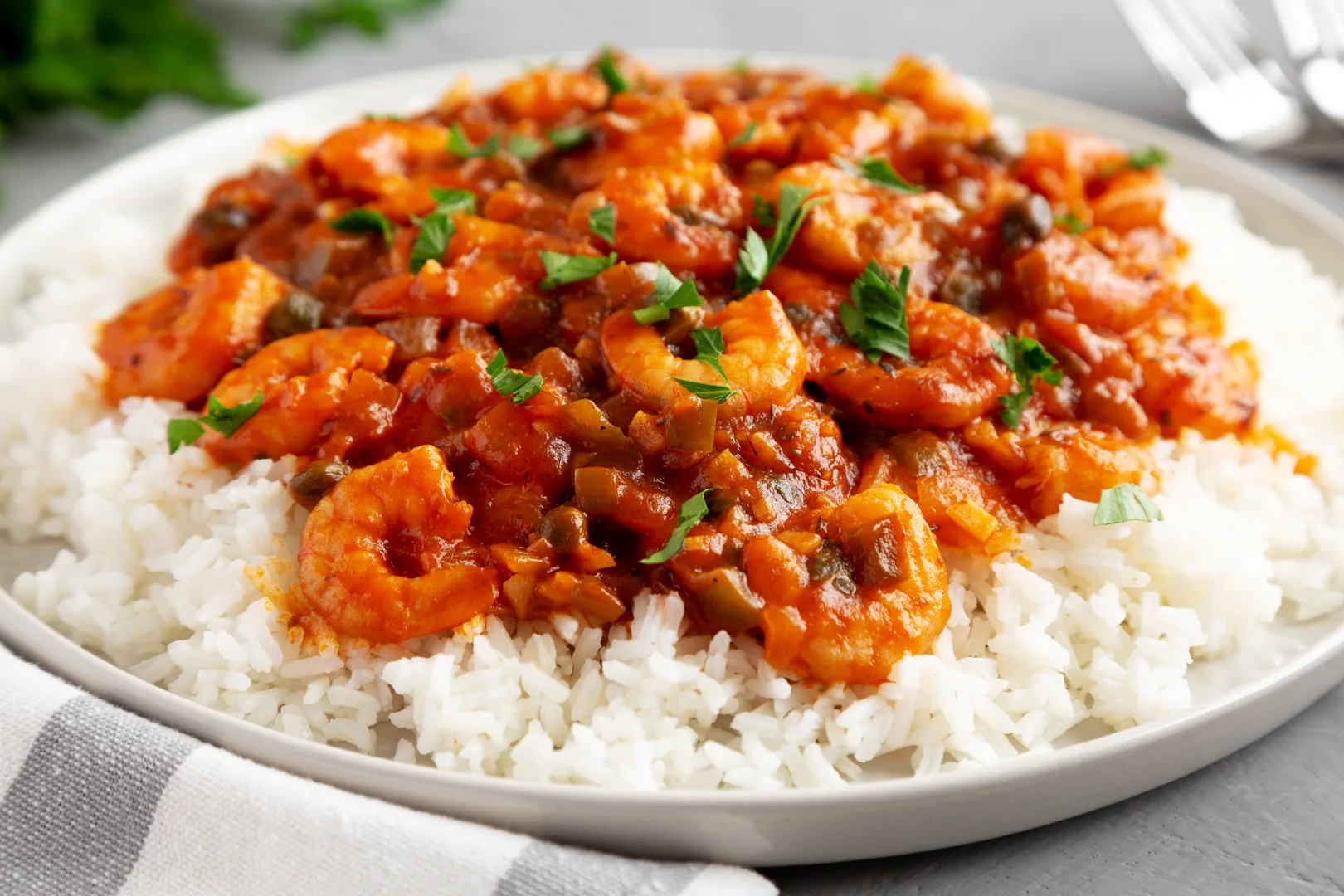
At Gallier’s Seafood & Oyster Bar, we don’t pick sides — we celebrate both Cajun cuisine and Creole food. Our menu features Cajun jambalaya and red beans alongside dark-roux gumbo, fried shrimp po’boys next to charbroiled oysters, and bold Cajun spices married with refined Creole sauces.
Looking for a seafood restaurant near me that serves the best of both worlds? Our New Orleans oyster bar at 129 Carondelet St is the place. Reserve your table.
Related Reads
- What Is Creole Food? A Deep Dive
- Discover Authentic Cajun Flavors
- Chicken & Andouille Sausage
- The Role of Roux in Southern Dishes
- What Makes Gulf Seafood Unique?
Frequently Asked Questions
What is the main difference between Cajun and Creole food?
Cajun food is rustic “country cooking” from rural Louisiana — simple, bold, and spicy with one-pot dishes. Creole food is sophisticated “city cooking” from New Orleans — refined, multi-cultural, and often uses tomatoes, butter, and cream. Both are served at seafood restaurants across New Orleans.
Is Cajun food spicier than Creole food?
Generally yes. Cajun cuisine tends to use more cayenne pepper and direct heat, while Creole food focuses on complex layered flavors with moderate spice. But both can range from mild to fiery depending on the dish and chef.
Can a restaurant serve both Cajun and Creole food?
Absolutely! Most New Orleans seafood restaurants, including Gallier’s Seafood & Oyster Bar, serve both Cajun and Creole dishes. The two cuisines share many ingredients, techniques, and the same love of Gulf seafood.
What are examples of Cajun dishes?
Boudin, chicken & sausage gumbo, Cajun jambalaya (no tomatoes), crawfish boil, étouffée, and blackened fish are classic Cajun dishes.
What are examples of Creole dishes?
Shrimp Creole, Creole jambalaya (with tomatoes), oysters Rockefeller, seafood gumbo with okra, po’boys, beignets, and bread pudding are classic Creole dishes.