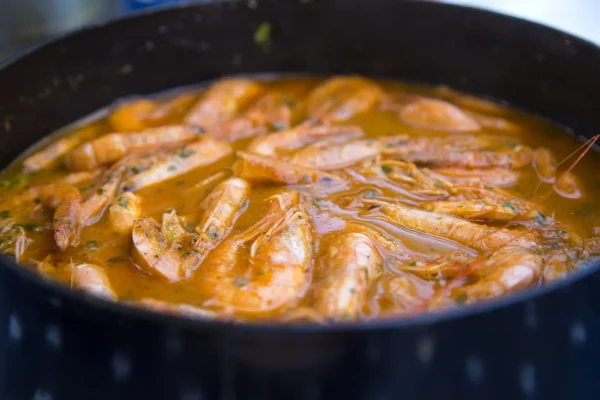
New Orleans home kitchens have an almost mythical reputation: a cast-iron pot simmering for hours, the scent of andouille in the air, and a pot of rice ready to catch the gravy. Yet even seasoned cooks stumble when they try to translate Cajun and Creole cuisine from French Quarter restaurants to their own stovetops. After fifteen years of perfecting bowls of gumbo and platters of fresh Gulf oysters at Gallier’s Restaurant & Oyster Bar, our culinary team has witnessed the most common missteps—and the small fixes that turn disappointment into a dish worth bragging about.
“Cajun cooking isn’t complicated. It’s patient. If you give the ingredients time to do what they do on the bayou, the flavor will find you.”
Jump to the Flavor
Why Home Cooks Struggle With Authentic Cajun Flavor
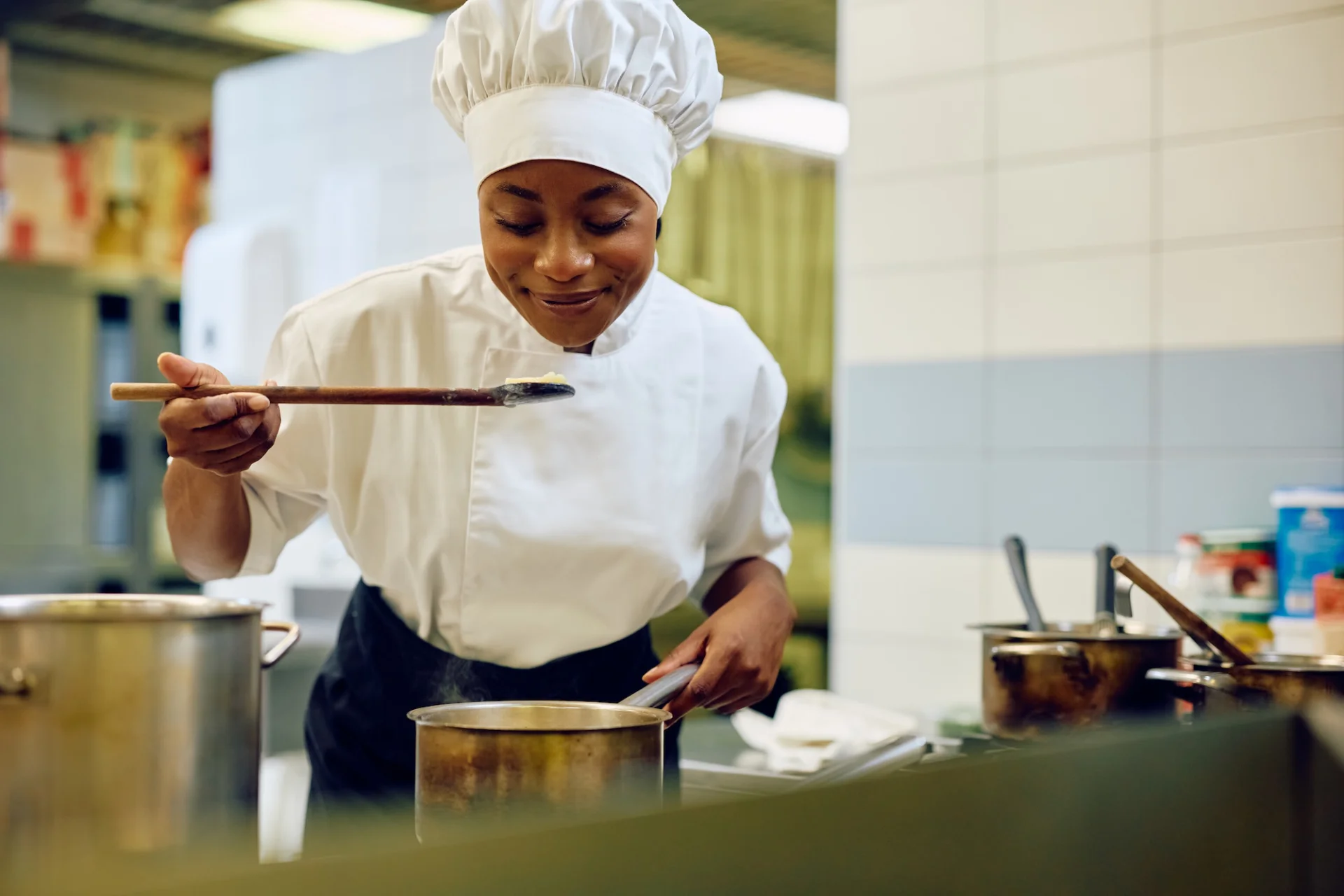
A recipe card can capture measurements, but it rarely conveys the feel of a live-fire roux or the sizzle of Trinity vegetables hitting hot fat. Techniques born in South Louisiana’s swamps and sugar-cane fields rely on observation and timing as much as written instructions. Miss that sensory feedback—even by a minute—and you end up with burnt flour, rubbery shrimp, or a flat pot of jambalaya.
Below are the seven pitfalls we see most often, followed by chef-approved remedies you can employ tonight.
Mistake 1: Rushing the Roux
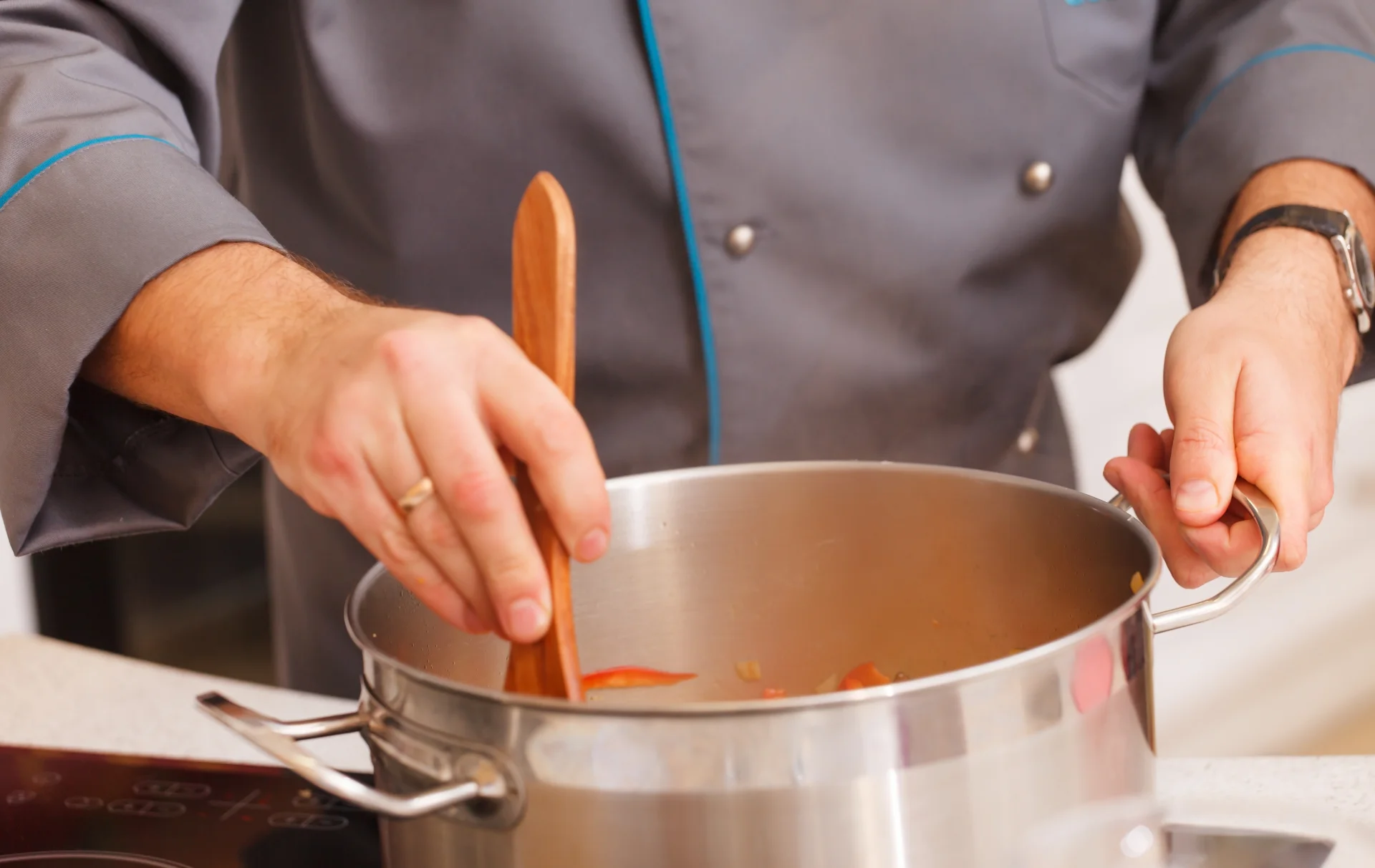
A dark roux, equal parts fat and flour slowly coaxed to the color of a Hershey bar, is Cajun cuisine’s backbone. Impatience pushes many cooks to crank the heat, hoping to save time.
The Fix: Low, Slow, and Flat-Bottomed
Use a heavy, wide pot—cast iron or enamel—so the heat spreads evenly. Keep the flame at medium-low and stir every 10–15 seconds. A proper gumbo roux at Gallier’s takes 30–40 minutes; at home, plan on the same. If you see black specks, start over. Charred flour is bitter, and no amount of seasoning will mask it.
Mistake 2: Ignoring the Holy Trinity
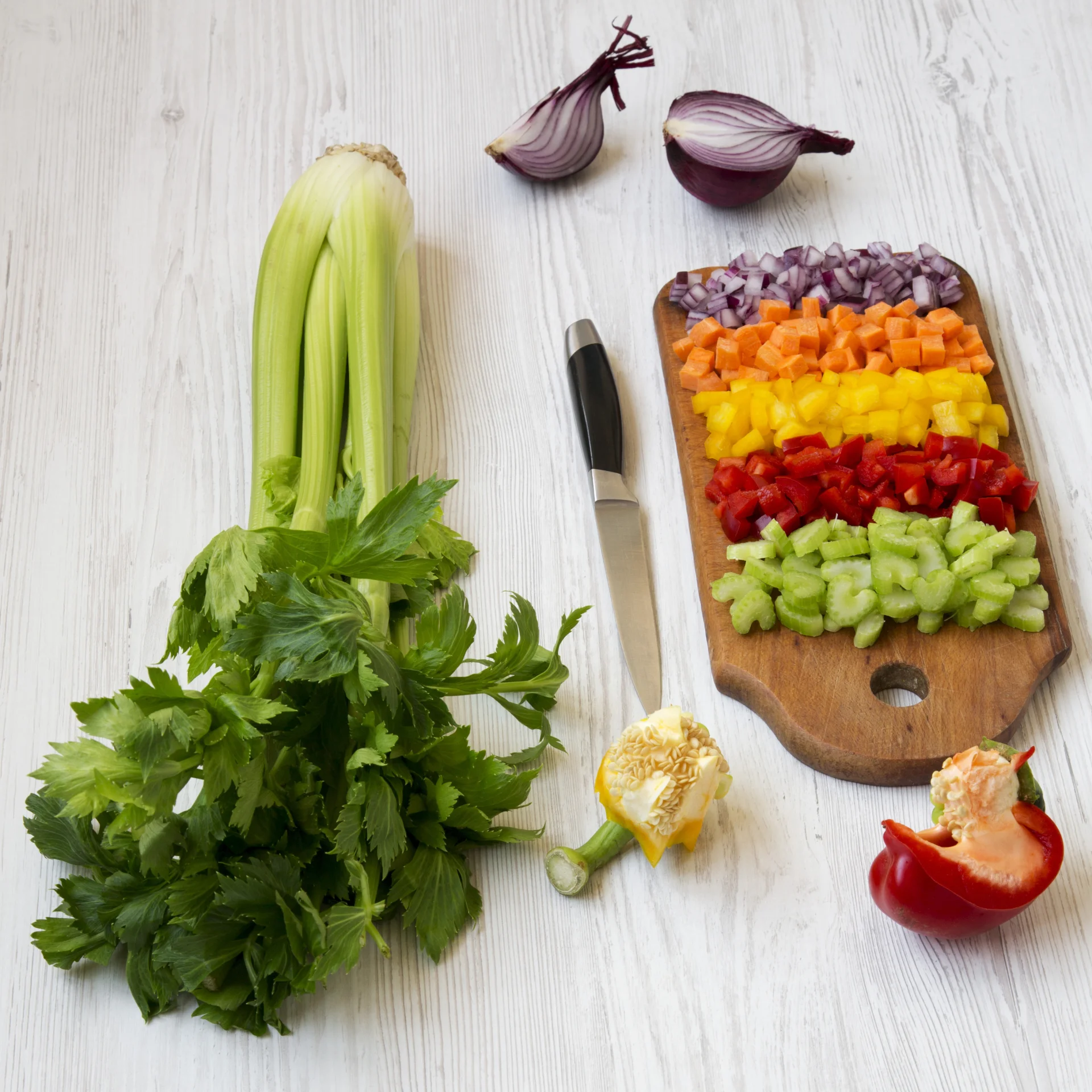
Onion, celery, and green bell pepper—collectively called the Holy Trinity—drive the aromatics in nearly every Cajun stew. Leave one out or swap peppers for pre-chopped freezer mix, and the flavor balance falls apart.
The Fix: Dice Fresh, Mind the Ratio
Cut your vegetables to uniform ¼-inch cubes so they cook at the same pace. The classic proportion is 2 parts onion to 1 part celery and 1 part bell pepper. Sweat the mixture in the residual heat of the roux; the vegetables will halt further browning and release steam that loosens the pot’s flavorful fond.
Mistake 3: Treating Seasoning Like a One-Shot Deal
A single blast of cayenne at the end of cooking won’t mimic the layered spice profile you taste in the best seafood restaurant in New Orleans. Seasoning in stages draws depth from common pantry items.
The Fix: Season Three Times
- Early: Salt the Trinity so the vegetables sweat, concentrating their sweetness.
- Midway: Add dry spices—paprika, thyme, white pepper—so they toast in fat.
- Finish: Taste for acid (a shot of hot sauce or cider vinegar) and balanced salt.
Mistake 4: Overcooking Gulf Seafood
Shrimp and oysters supply the briny lift we crave, yet they cook in minutes. Leave them on a rolling boil and their protein fibers seize up, turning a delicate catch into rubber bands.
The Fix: Residual Heat Is Your Friend
Turn the burner off, drop in peeled Gulf shrimp or shucked oysters, cover, and let the stew’s stored heat poach the seafood for 5–7 minutes. The result: plump morsels worthy of the fresh oysters in New Orleans moniker.
Culinary note: According to the Seafood Nutrition Partnership, maintaining a gentle temperature preserves omega-3 oils and natural moisture in shellfish.
Mistake 5: Confusing Cajun With Creole (and Vice Versa)
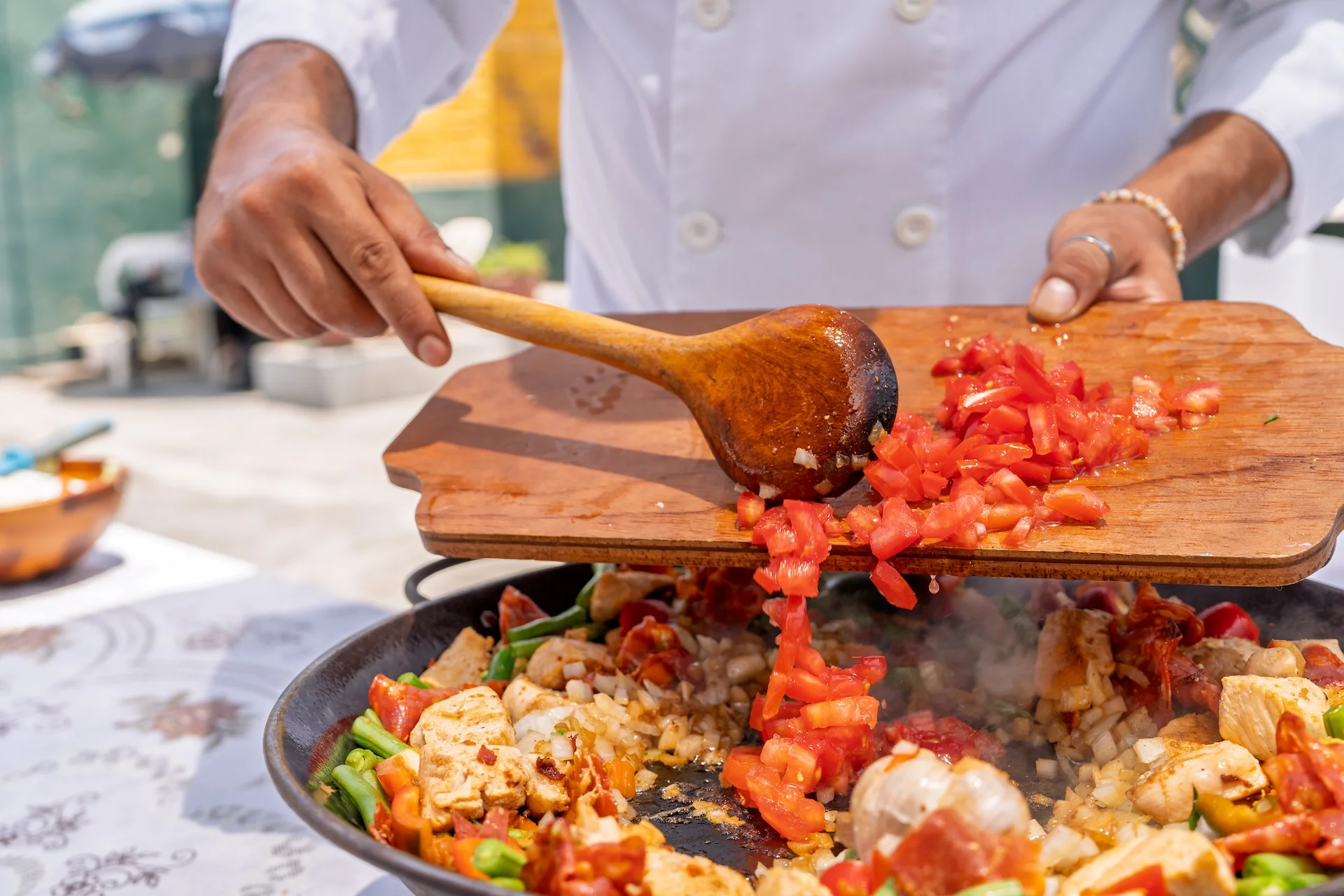
Cajun cuisine leans on rustic, country techniques—dark roux, pork fat, game meats. Creole introduces tomatoes, butter, and European spices. Mixing the two at random often yields muddled flavor.
The Fix: Pick a Lane Before You Start
If the recipe is Cajun, skip tomato products and embrace robust spices. For Creole, build a lighter roux and fold in diced tomato near the end. Knowing the difference honors tradition and sharpens the dish’s identity. The Louisiana Travel board offers regional history that explains why the styles developed side by side yet remain distinct.
Mistake 6: Using the Wrong Rice
Cheap, par-boiled rice sheds starch and can’t absorb the gravy you worked so hard to build. Texture suffers, and seasoning tastes diluted.
The Fix: Choose Louisiana Long Grain or Medium Grain
We favor locally milled long-grain rice for gumbo and red beans—it stays fluffy, never gummy. Rinse once to remove surface starch, then steam with a 1:1.8 rice-to-water ratio. For jambalaya, reach for medium-grain, which yields a stickier chew that soaks up spice.
Mistake 7: Skipping the Rest Period
The instinct to ladle immediately is understandable—your kitchen smells like Sunday at Grandma’s. But serving straight off the flame can mute spices and scald mouths.
The Fix: Ten Minutes Under Wraps
Remove the pot from heat, cover, and wait ten minutes. Flavors meld, roux thickens, and steam settles. Gallier’s servers practice the same pause before plating, ensuring each bowl meets our standard for French Quarter dining.
Real-World Scenario: A Weeknight Gumbo Rescue
You rush home from work, throw a roux together over high heat, and notice a burnt aroma after five minutes. Instead of soldiering on, cut losses early. Discard, wipe the pot clean, and start at a lower flame. Meanwhile, have the Trinity chopped and your stock warming. You’ll lose 15 minutes but gain a gumbo guests will finish to the last spoonful.
Mid-cook, taste the stock. Too salty? Slip in a peeled potato for ten minutes to absorb excess sodium, then discard. Flavor flattened? A squeeze of lemon brightens spice without additional heat.
Bringing It All Together: Cook Like You’re on Carondelet Street
Authentic Cajun flavor depends less on secret ingredients and more on respect for process. From a nut-brown roux to perfectly poached oysters, each step builds on the last. Follow the fixes above and you move closer to the bowls served daily at Gallier’s, where locals and travelers bridge the gap between French Quarter dining and home kitchens.
“Great Cajun food tastes like a memory—of wetlands, porch swings, and second-line parades. Technique only matters because it protects that memory.”
For deeper dives into regional foodways, explore the oral histories archived by the Southern Foodways Alliance. The more you understand the culture, the better your cooking will taste.
FAQ
1. What’s the safest oil for making a dark Cajun roux? Peanut oil handles high heat without smoking, but canola or rendered pork lard are solid traditional choices.
2. Can I substitute store-bought stock? Yes, but choose low-sodium chicken or seafood stock so you control final seasoning.
3. Is okra mandatory in gumbo? No. Okra is common in Creole gumbos; Cajun versions often skip it in favor of darker roux.
4. How do I reheat leftover gumbo without overcooking shrimp? Gently simmer the base first, then add reserved seafood in the last five minutes of warming.
5. What’s the difference between jambalaya and étouffée? Jambalaya is a one-pot rice dish; étouffée is a saucy stew served over rice, usually lighter in color with a thinner roux.
Actionable Summary
- Keep heat moderate when building a roux; stir constantly.
- Use fresh Trinity vegetables in the 2-1-1 ratio.
- Layer spices early, midway, and at the end.
- Poach seafood off-heat to avoid rubbery texture.
- Decide if you’re cooking Cajun or Creole before adding tomatoes.
- Use quality Louisiana rice for authentic texture.
- Always rest the pot ten minutes before serving.
Master these steps, and your next bowl could pass for a plateful served steps away from Gallier’s oyster bar—no plane ticket required.
Skip the mistakes — try authentic Cajun cuisine at Gallier’s Seafood & Oyster Bar, a top New Orleans seafood restaurant and oyster bar.