Jump to the Flavor
Freshness Is Everything in Seafood
In New Orleans, seafood is more than a staple — it’s a standard. From Gulf shrimp and blue crab to redfish and oysters, the city’s cuisine depends on one thing above all: freshness. Whether you’re dining at Gallier’s Restaurant & Oyster Bar or buying your own catch from a local market, understanding how to identify and store fresh seafood makes all the difference between a good dish and an unforgettable one.
“The flavor of the Gulf is best experienced when seafood is handled with care — from the boat to your plate.”
Why Freshness Matters So Much
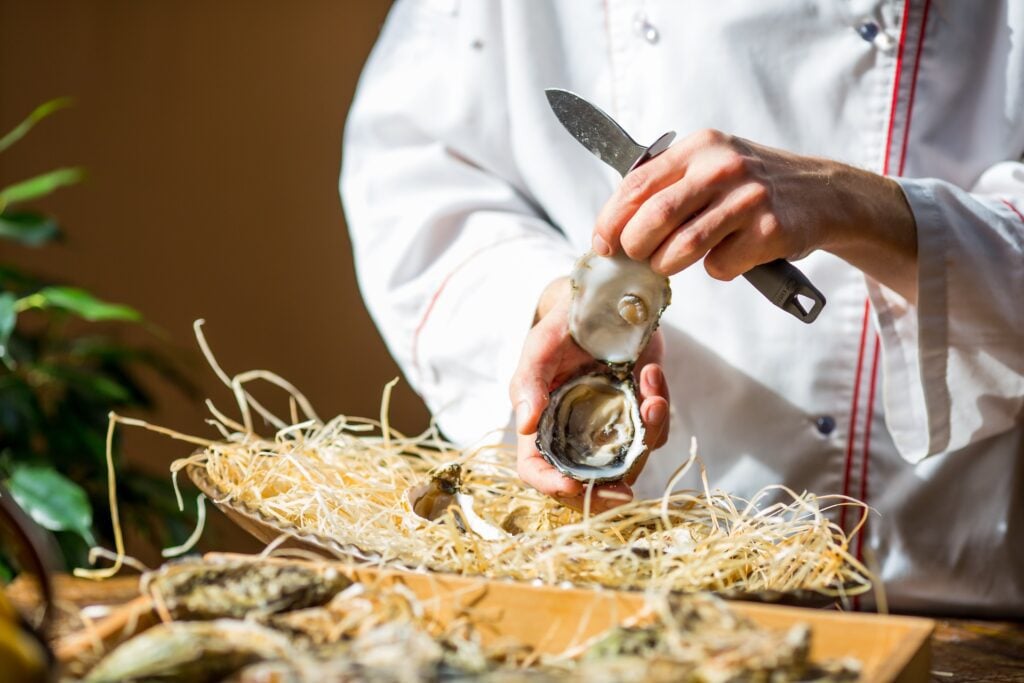
Seafood is delicate. Its texture and taste begin to change almost immediately after it leaves the water. Proper handling and cold storage are essential to preserve flavor, nutrition, and safety. In Creole and Cajun cooking, where seafood often takes center stage, freshness defines the entire dish — it’s the invisible ingredient that sets great restaurants apart.
At Gallier’s, we source directly from trusted Gulf suppliers who deliver daily, ensuring that every oyster, shrimp, or fillet we serve reflects the authentic taste of the Louisiana coast.
How to Tell if Seafood Is Fresh
When it comes to spotting fresh seafood, your senses are your best tools. Here’s what locals and chefs look for:
- Smell: Fresh seafood should have a clean, ocean-like scent — never “fishy.” If it smells off, it probably is.
- Look: Fish should have bright, clear eyes and shiny skin. Shellfish should appear moist, not dry.
- Texture: Press gently — fresh fish flesh springs back. For shrimp, the shells should feel firm and translucent.
- Shellfish Check: Live oysters, clams, or mussels should have tightly closed shells. If they’re open and don’t close when tapped, discard them.
Pro tip: When in doubt, trust your instincts — and your nose. A fresh oyster should smell like a sea breeze, not a dockyard.
Proper Seafood Storage at Home

If you’re taking seafood home, how you store it is just as important as where you buy it. Follow these local chef-approved steps:
🧊 1. Keep It Cold, Not Frozen
Store seafood in the coldest part of your refrigerator (32°F to 38°F / 0°C to 3°C). Place it on a tray of crushed ice and cover it with plastic wrap. Change the ice daily to keep it fresh.
🧺 2. Use Airtight Containers
For shrimp or fish fillets, use airtight containers or resealable bags. This prevents moisture loss and avoids cross-contamination with other foods.
🦪 3. Handle Shellfish with Care
Keep oysters, clams, and mussels in a breathable container — never sealed tightly. Store them in a bowl covered with a damp towel, and never submerge them in water.
🔥 4. Cook Promptly
Seafood is best consumed within 1–2 days of purchase. The sooner you cook it, the more flavor you’ll retain. If you must freeze it, wrap tightly in moisture-proof paper or vacuum seal for optimal preservation.
How Gallier’s Maintains Unmatched Freshness
At Gallier’s Restaurant & Oyster Bar, freshness isn’t a promise — it’s a practice. Every morning, our kitchen receives Gulf seafood delivered directly from local boats and trusted vendors. Our chefs inspect each delivery for quality, texture, and aroma before it even reaches the prep station.
Oysters are shucked to order, shrimp are peeled fresh daily, and our fish fillets are prepared just hours before service. This dedication is what gives every dish — from our gumbo to our Charbroiled Oysters — its signature brightness and depth.
“We treat every oyster like it’s the first one you’ll ever taste.”
Signs of Spoiled Seafood (and When to Let Go)
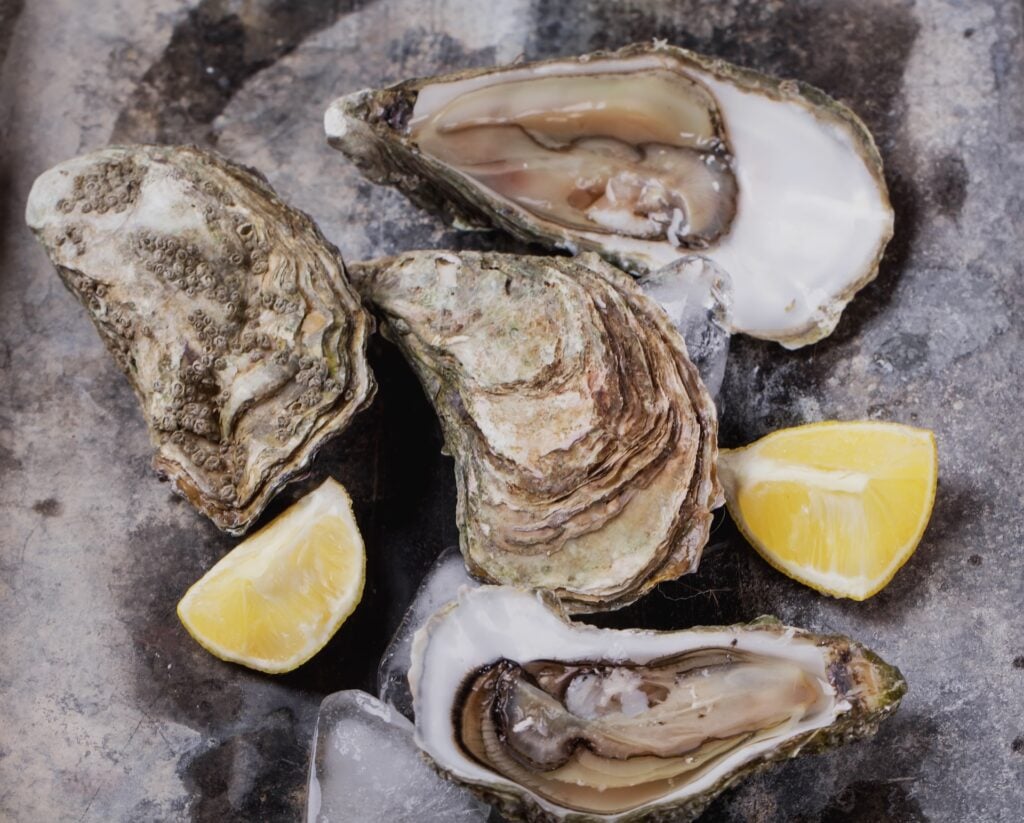
Even the best storage can’t make bad seafood good. Always watch for these warning signs:
- Fish or shrimp that feels mushy or slimy.
- Discolored flesh — dull gray or brown instead of translucent or white.
- A strong, sour, or ammonia-like odor.
- Open shellfish that won’t close when tapped.
When in doubt, toss it out. Food safety is never worth the risk — especially with seafood.
Final Tip: Trust the Source
New Orleans locals know that where your seafood comes from matters just as much as how you cook it. Always buy from reputable fishmongers or restaurants that value freshness. Supporting local suppliers not only guarantees better flavor — it sustains Louisiana’s fishing communities and ecosystem.
At Gallier’s, we’re proud to be part of that tradition. Each plate we serve carries the story of the Gulf — one that’s fresh, flavorful, and deeply New Orleans.
Taste the Freshness at Gallier’s →
At Gallier’s Seafood & Oyster Bar, freshness is everything. Our New Orleans oyster bar and seafood restaurant follows the strictest freshness standards for every oyster, shrimp, and crab we serve.