Jump to the Flavor
Cajun Seasoning Secrets: What’s in the Mix?
Unlocking the Bold Flavors of Louisiana’s Most Iconic Spice Blend
A Taste of Louisiana in Every Pinch
Ever wonder what gives Cajun food that unforgettable punch — a little smoky, a little spicy, and deeply flavorful? The answer lies in a seasoning blend that’s as bold as Louisiana itself. Cajun seasoning isn’t just one thing — it’s a culture, a heritage, and a flavor identity.
“Cajun food is about depth, not just heat.”
— Chef Darrell, New Orleans Native
Let’s break down the core spices, the story behind them, and how you can bring the magic of Cajun cuisine into your own kitchen.
What Is Cajun Seasoning, Really?
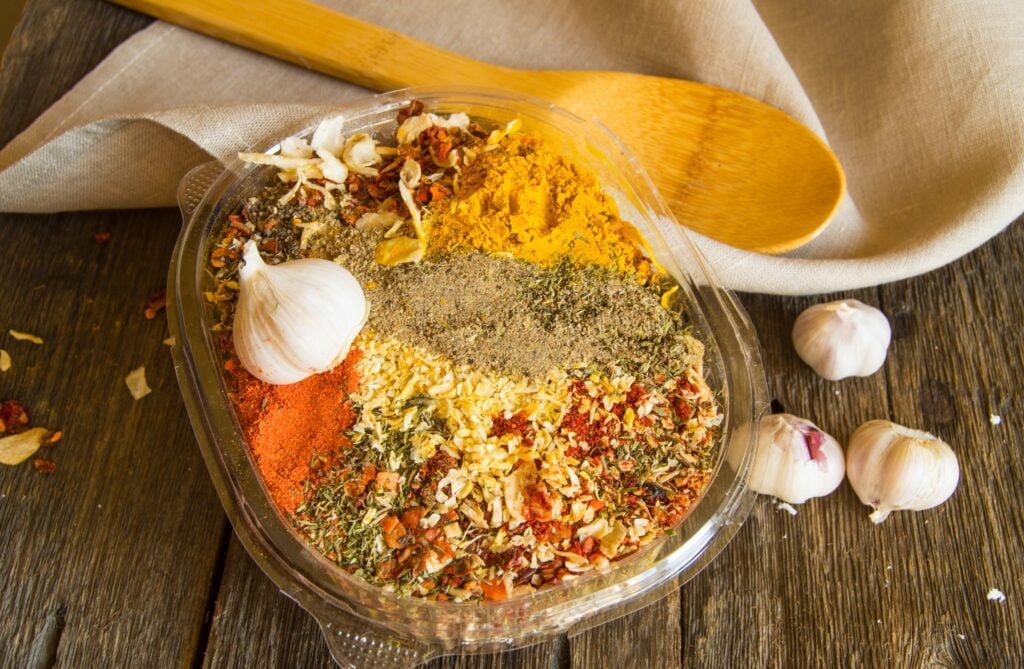
Cajun seasoning is a dry spice blend that originated from the French Acadian communities in Louisiana. While the exact blend varies from family to family, certain ingredients always show up — each one playing a unique role in creating that deep, unmistakable Cajun flavor.
Core Ingredients in Every Authentic Cajun Mix
| Spice | Flavor Role |
|---|---|
| Paprika (often smoked) | Adds color and a subtle earthy sweetness |
| Cayenne Pepper | Brings the heat — essential for Cajun kick |
| Garlic Powder | Gives depth and savory warmth |
| Onion Powder | Balances the garlic with sweet undertones |
| Black Pepper | Sharp, bitter edge that wakes the palate |
| White Pepper | Adds complexity and back-of-the-throat heat |
| Oregano | Herbal note that lifts the mix |
| Thyme | Earthy, slightly minty aroma |
| Salt | Unifies all the flavors together |
“Cajun spice isn’t just hot — it’s layered.”
— Gallier’s Kitchen Team
Homemade Cajun Seasoning Recipe
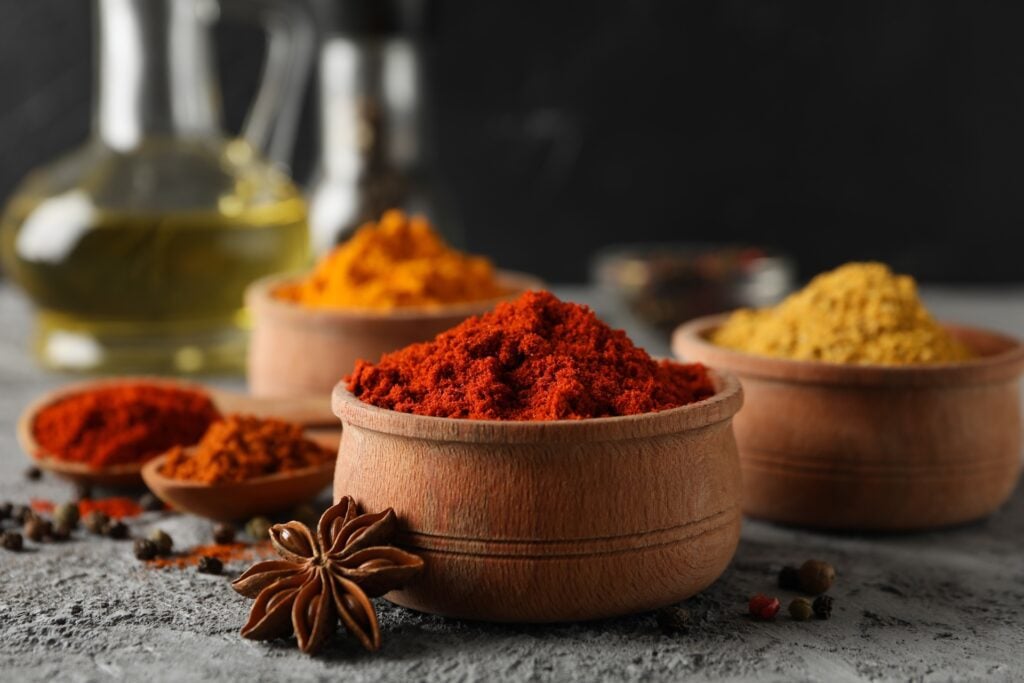
If you want to create your own blend, here’s a classic ratio to try:
- 2 tbsp paprika
- 1 tbsp garlic powder
- 1 tbsp onion powder
- 1 tbsp cayenne pepper
- 1 tbsp black pepper
- 1 tbsp white pepper
- 1 tbsp dried thyme
- 1 tbsp dried oregano
- 1 tbsp kosher salt
Mix all together and store in an airtight jar for up to 6 months.
How We Use It at Gallier’s
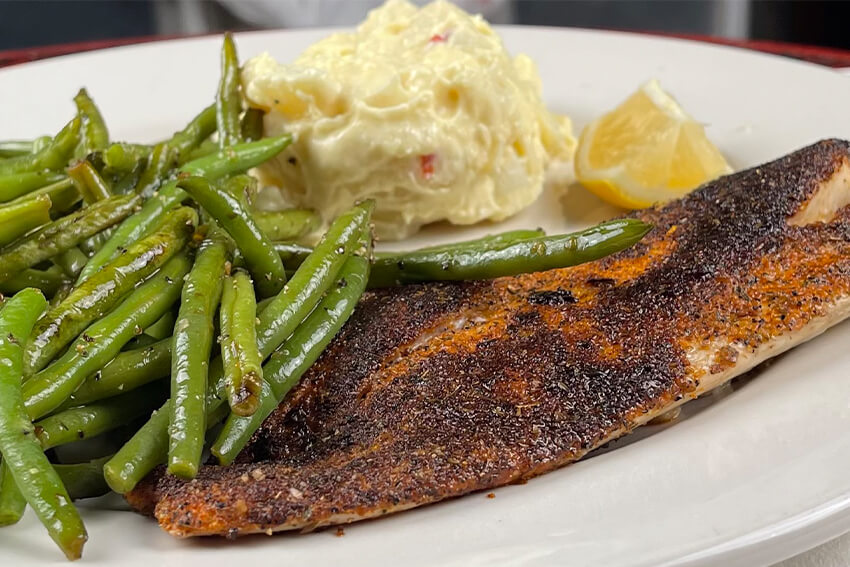
At Gallier’s, Cajun seasoning is the foundation of our boldest dishes — from Blackened Redfish to Cajun Shrimp Po’ Boys, and even in our house-made Remoulade Sauce. The key is balance: enough heat to spark interest, but never so much that it overpowers the soul of the dish.
Tips for Cooking with Cajun Seasoning
- Use as a rub for meats before grilling or searing.
- Stir into butter for rich Cajun shrimp or fish.
- Add to soups and gumbos for layered spice.
- Sprinkle on fries or roasted vegetables for an easy Cajun twist.
A Little History: The Cajun Spirit
Cajun cuisine was born from necessity and creativity — simple ingredients turned into soulful meals. The seasoning reflects that philosophy: everyday spices, used in clever proportions, to build something memorable.
Taste Cajun Seasoning at Its Best
Want to experience how authentic Cajun seasoning transforms a dish? At Gallier’s Seafood & Oyster Bar, our chefs use house-made Cajun spice blends on everything from blackened seafood to our famous gumbo and crispy po’boys. It’s the kind of bold flavor you can only find at a real New Orleans oyster bar and Cajun restaurant.
Searching for the best seafood restaurant near me in New Orleans? Book a table at Gallier’s and taste the difference authentic Cajun seasoning makes.
More Cajun & Creole Flavors to Explore
- What Is Boudin? Louisiana’s Cajun Sausage
- What Is Creole Food? A Deep Dive
- Creole vs. Cajun Jambalaya
- The Creole Trinity
Frequently Asked Questions About Cajun Seasoning
What is the difference between Cajun seasoning and Creole seasoning?
Cajun seasoning tends to be spicier and more rustic, heavy on cayenne, black pepper, and garlic. Creole seasoning is more herbaceous, adding oregano, thyme, and paprika. Both are essential to New Orleans Creole food and Cajun cuisine.
Is Cajun seasoning very spicy?
Cajun seasoning has a noticeable kick from cayenne pepper, but it’s more about depth of flavor than pure heat. You can adjust the cayenne amount to control spiciness. At seafood restaurants like Gallier’s, dishes range from mildly seasoned to boldly spiced.
What dishes go best with Cajun seasoning?
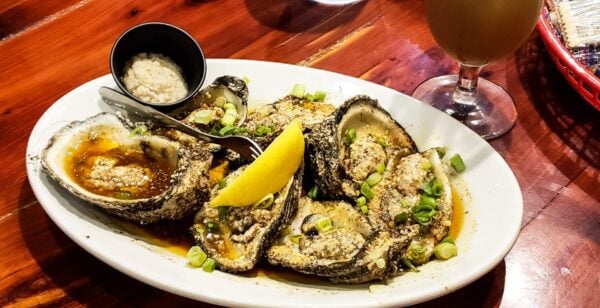
Cajun seasoning is incredibly versatile — it’s perfect on blackened seafood, gumbo, jambalaya, po’boys, grilled chicken, and even scrambled eggs. At our New Orleans oyster bar, we use it on charbroiled oysters and Gulf shrimp.
Can I make Cajun seasoning at home?
Absolutely! Combine paprika, cayenne, garlic powder, onion powder, black pepper, white pepper, oregano, and thyme. Adjust ratios to your heat preference. Store in an airtight container for up to 6 months.
What makes New Orleans Cajun seasoning different?
New Orleans Cajun seasoning blends the bold Cajun spice tradition with Creole refinement. Local chefs often add unique touches like file powder, smoked paprika, or celery seed — creating flavors you can only find at authentic seafood restaurants in New Orleans.