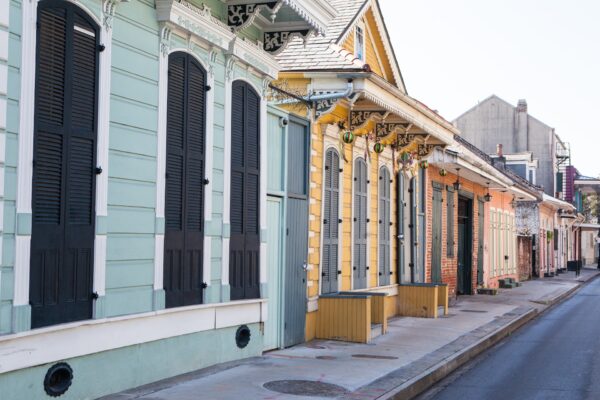
If New Orleans had a single flavor, it would be Creole cuisine—a vibrant blend of cultures, spices, and traditions that tells the city’s story in every bite. Creole food is not just cooking; it’s history served on a plate, shaped by centuries of cultural exchange along the Mississippi River.
Jump to the Flavor
What Exactly Is Creole Food?
Creole cuisine was born in New Orleans, a city built on diversity and trade. French colonists laid the culinary foundation with butter, wine, and classical sauces. Spanish influence added rice dishes and seasonings. Enslaved Africans and Caribbean immigrants contributed okra, peppers, and techniques that brought depth to stews and soups. Later, German and Italian immigrants added sausages, herbs, and tomatoes, completing the Creole pantry.
In short, Creole cuisine is cosmopolitan city food—refined, diverse, and layered with global influences. It differs from Cajun cuisine, which is more rustic and country-inspired, focusing on smoky, hearty one-pot meals.
A Taste of History in Every Bite
The story of Creole food unfolds over 300 years of culinary evolution:
- 1700s French Era: Introduced rich sauces, roux techniques, and the art of slow cooking.
- Spanish Rule: Brought paella-inspired rice dishes that evolved into jambalaya.
- African & Caribbean Influence: Gave us okra, beans, and gumbo roots.
- 19th-Century Immigration: Germans introduced sausages, Italians brought tomatoes and fresh herbs.
Each forkful of gumbo or spoonful of jambalaya carries this layered history, turning a simple meal into a culinary journey.

The Holy Trinity and Other Key Ingredients
Creole dishes are built on the foundation locals call the “Holy Trinity”—a mix of onions, celery, and bell peppers. This trio is sautéed at the start of countless recipes, forming the flavor base for gumbo, étouffée, and jambalaya.
Other essential ingredients include:
- Seafood: Shrimp, crab, crawfish, and Gulf oysters dominate the menu.
- Tomatoes: Distinguish Creole dishes from Cajun cuisine, adding color and tang.
- Roux and Stock: Classic European techniques meet local flavors for depth and richness.
- Rice: The foundation for iconic dishes like jambalaya and red beans & rice.
For an in-depth look at the ingredients and culture behind Southern cooking, the Southern Foodways Alliance is an excellent resource.
Iconic Creole Dishes You Can’t Miss
Creole cuisine is indulgent, soulful, and unforgettable. These dishes define the experience:
- Gumbo: A rich stew featuring meat or seafood, built on a dark roux and often thickened with okra or filé powder.
- Jambalaya: A flavorful rice dish with sausage, seafood, and tomatoes—a Louisiana cousin to Spanish paella.
- Étouffée: Smothered crawfish or shrimp in a velvety sauce, served over white rice.
- Red Beans & Rice: A Monday classic, slow-simmered with smoked meats for deep, comforting flavor.
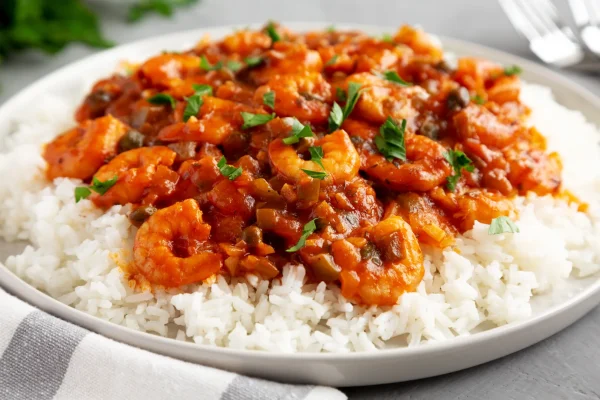
- Creole Shrimp or Oysters: Baked or sautéed in seasoned sauces that showcase the city’s seafood heritage.
Every dish is a perfect example of how Creole cooking turns humble ingredients into extraordinary experiences.
Creole vs. Cajun: What’s the Difference?
Visitors often confuse Creole and Cajun food, but locals know the distinction:
- Creole: City cuisine with European finesse, tomato-based sauces, and seafood emphasis.
- Cajun: Country cuisine, smokier, spicier, and often cooked in one-pot rustic meals.
As a visitor, you should try both—but Creole food gives you the essence of New Orleans, reflecting its French Quarter elegance and global heritage.

Where to Experience Authentic Creole Cuisine
Creole food thrives across New Orleans, but authenticity matters. Some restaurants stick to tradition, while others add a modern spin. At Gallier’s Restaurant & Oyster Bar, we celebrate seafood-focused Creole classics—from gumbo to charbroiled oysters—crafted in the heart of the Central Business District.
Our kitchen blends history with hospitality, giving travelers a chance to experience the city’s culinary heritage without leaving downtown.
A Taste That Lasts Beyond the Trip
Creole cuisine is more than a meal—it’s a memory. You’ll remember the aroma of a slowly darkening roux, the first bite of buttery seafood, and the way each dish feels like a celebration. It’s New Orleans on a plate.
If you’re visiting the city, don’t just see New Orleans—taste it. Creole food will leave you full, happy, and maybe a little in love with NOLA.
Taste Authentic Creole Food in New Orleans
There’s no better way to understand Creole food than to taste it yourself. At Gallier’s Seafood & Oyster Bar, we serve authentic Creole cuisine alongside fresh Gulf oysters, gumbo, po’boys, and more. Our menu celebrates the rich culinary heritage of New Orleans, from Creole jambalaya to classic seafood platters.
Whether you’re searching for seafood restaurants near me or the best Creole food in New Orleans, our oyster bar at 129 Carondelet St offers a dining experience rooted in centuries of Louisiana tradition. Reserve your table and taste the flavors of New Orleans.
Explore More Creole & Cajun Cuisine
- Creole Jambalaya vs. Cajun Jambalaya: What’s the Difference?
- The Creole Trinity: Onion, Bell Pepper & Celery
- Creole Desserts You Need to Try
- Cajun Seasoning Secrets
- What Is Boudin? Louisiana’s Cajun Sausage
Frequently Asked Questions About Creole Food
What is the difference between Creole and Cajun food?
Creole food is “city food” that blends French, Spanish, African, and Caribbean influences — it’s refined and often uses tomatoes and butter. Cajun food is “country food” from rural Louisiana, featuring bolder spices and one-pot cooking. Both styles are celebrated at New Orleans seafood restaurants like Gallier’s.
What are the most famous Creole dishes?
The most iconic Creole dishes include gumbo, jambalaya, crawfish étouffée, shrimp Creole, oysters Rockefeller, po’boys, beignets, and bread pudding. These dishes showcase the diverse cultural influences that define Creole cuisine in New Orleans.
Is Creole food spicy?
Creole food is flavorful but not always intensely spicy. It uses a complex blend of seasonings including paprika, cayenne, thyme, and bay leaves. The heat level varies by dish — gumbo tends to be mildly spicy, while some seafood dishes can pack more heat.
What is the Holy Trinity in Creole cooking?
The Creole Trinity (or Holy Trinity) consists of onions, bell peppers, and celery — the aromatic base for nearly every Creole and Cajun dish, from gumbo to jambalaya. It’s the Louisiana equivalent of French mirepoix.
Where can I find authentic Creole food in New Orleans?
Gallier’s Seafood & Oyster Bar at 129 Carondelet St serves authentic Creole cuisine alongside Cajun favorites, fresh oysters, and Gulf seafood. It’s one of the top seafood restaurants in the New Orleans French Quarter area.