Jump to the Flavor
The Foundation of Creole Flavor
Every great Creole dish begins with a humble yet powerful trio of ingredients: onion, bell pepper, and celery. Known as the “Creole Trinity”, this aromatic base is the beating heart of Louisiana cooking. Whether you’re savoring a steaming bowl of gumbo, a rich étouffée, or a spicy jambalaya, chances are this trio has worked its magic long before the dish reaches your table.
At Gallier’s Restaurant & Oyster Bar, this trinity is at the heart of our kitchen. It’s where every gumbo starts, every sauce takes shape, and every dish earns its unmistakable Creole depth.
How the Creole Trinity Came to Be
The roots of the Creole Trinity go back centuries. When French settlers arrived in Louisiana, they brought with them the concept of mirepoix — a flavor base made from onions, carrots, and celery. Over time, local cooks adapted the recipe to fit what was abundant in the region. Carrots were replaced by bell peppers, a staple of Southern agriculture, creating something truly new — and deeply New Orleanian.
“The Trinity isn’t just a recipe — it’s a cultural signature that tells you you’re eating something made in Louisiana.”
This evolution reflects what Creole cuisine is all about: adaptation, diversity, and flavor fusion. Just as New Orleans blends cultures — African, French, Spanish, and Caribbean — the Trinity blends aromas, textures, and histories into one soulful base.
Meet the Three Pillars of Creole Cooking
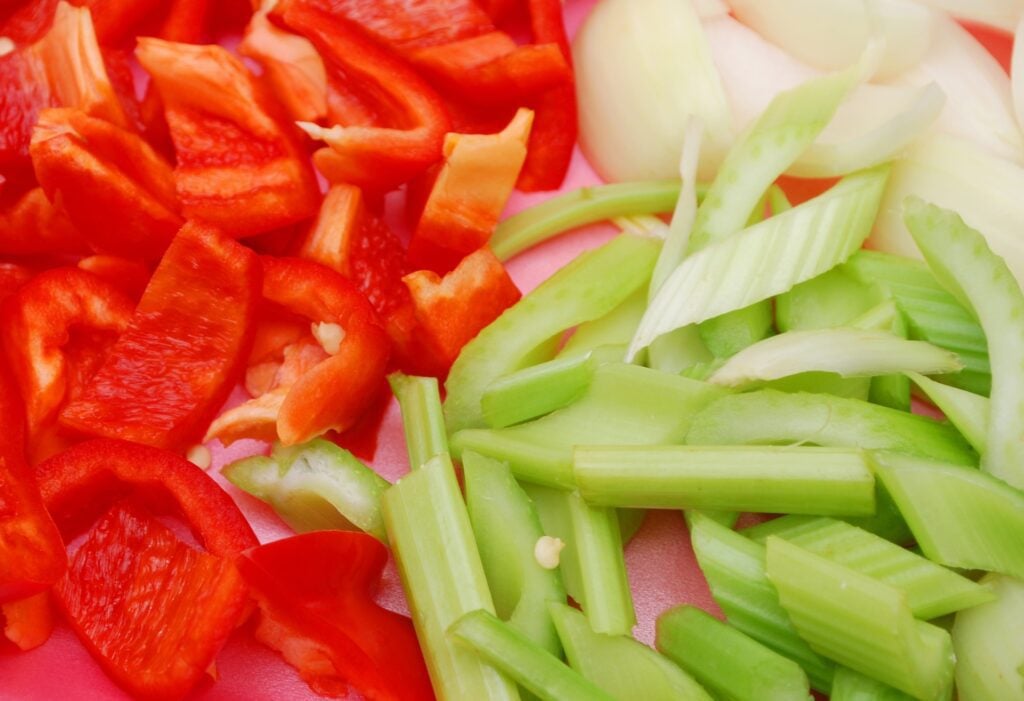
1. Onion — The Sweet and Savory Base
The onion lays the foundation. It brings a balance of sweetness and depth, developing richness as it cooks. Whether yellow or white, onions caramelize beautifully, giving the Creole Trinity its first wave of aroma that fills every kitchen in New Orleans.
2. Bell Pepper — The Color and Character
The substitution that changed everything — green bell peppers replaced carrots to bring a gentle bitterness and vibrant color. They add brightness to seafood dishes and body to stews. As Southern Living notes, bell peppers give Creole dishes their “fresh, garden-forward backbone.”
3. Celery — The Aromatic Thread
Celery ties the trinity together. Its earthy, crisp notes lift the heavier flavors, ensuring the dish doesn’t feel too rich. It’s often sautéed in butter or oil at the start — a small act that unlocks massive flavor later in the pot.
Why the Creole Trinity Matters
Cooking with this trio is about more than taste. It’s about creating layers of flavor. When sautéed slowly, the onions caramelize, the peppers soften, and the celery releases its aroma — forming a base that transforms any dish from ordinary to soulful.
In Louisiana kitchens, the Trinity is often followed by garlic, herbs, and spices — a move sometimes called “building the Holy Trinity plus one.” It’s this patient layering that gives Creole cuisine its famous complexity.
Creole vs. Cajun: Spotting the Difference
Though they share the same geographical roots, Creole and Cajun cuisines interpret the Trinity differently. Creole cooking tends to include tomatoes and butter, often associated with city kitchens like those of New Orleans. Cajun cooking, on the other hand, relies more on oil or lard and omits tomatoes, giving dishes a smokier, earthier edge.
As NPR explains, “Cajun and Creole food are close cousins, but one is country and the other is city — and the Trinity is the bridge between them.”
How We Use the Trinity at Gallier’s
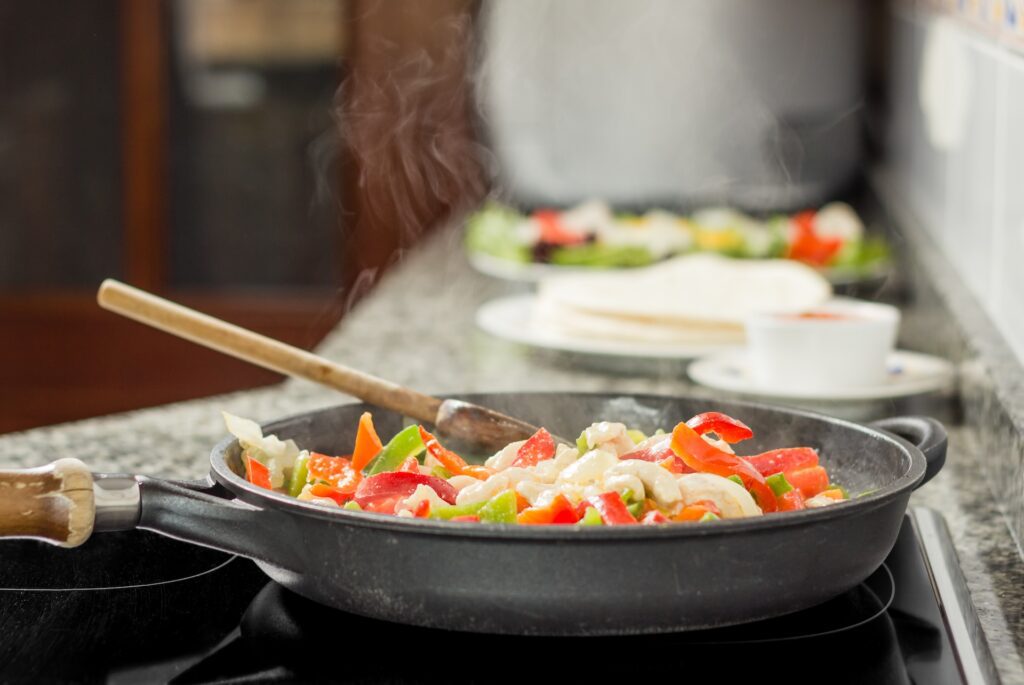
At Gallier’s, the Creole Trinity is where every meal begins. In our kitchen, you’ll find it sizzling in cast-iron skillets as we prep our signature gumbo, red beans and rice, and jambalaya. Each dish carries the unmistakable warmth that comes from this aromatic foundation.
Our chefs have perfected the art of sautéing the trinity — adjusting the heat, the butter ratio, and timing — to get that perfect balance of sweetness and savor. As one of our chefs puts it:
“You can tell if a dish will be great by how the trinity smells when it hits the pan.”
Cooking Tips for Perfecting the Trinity at Home
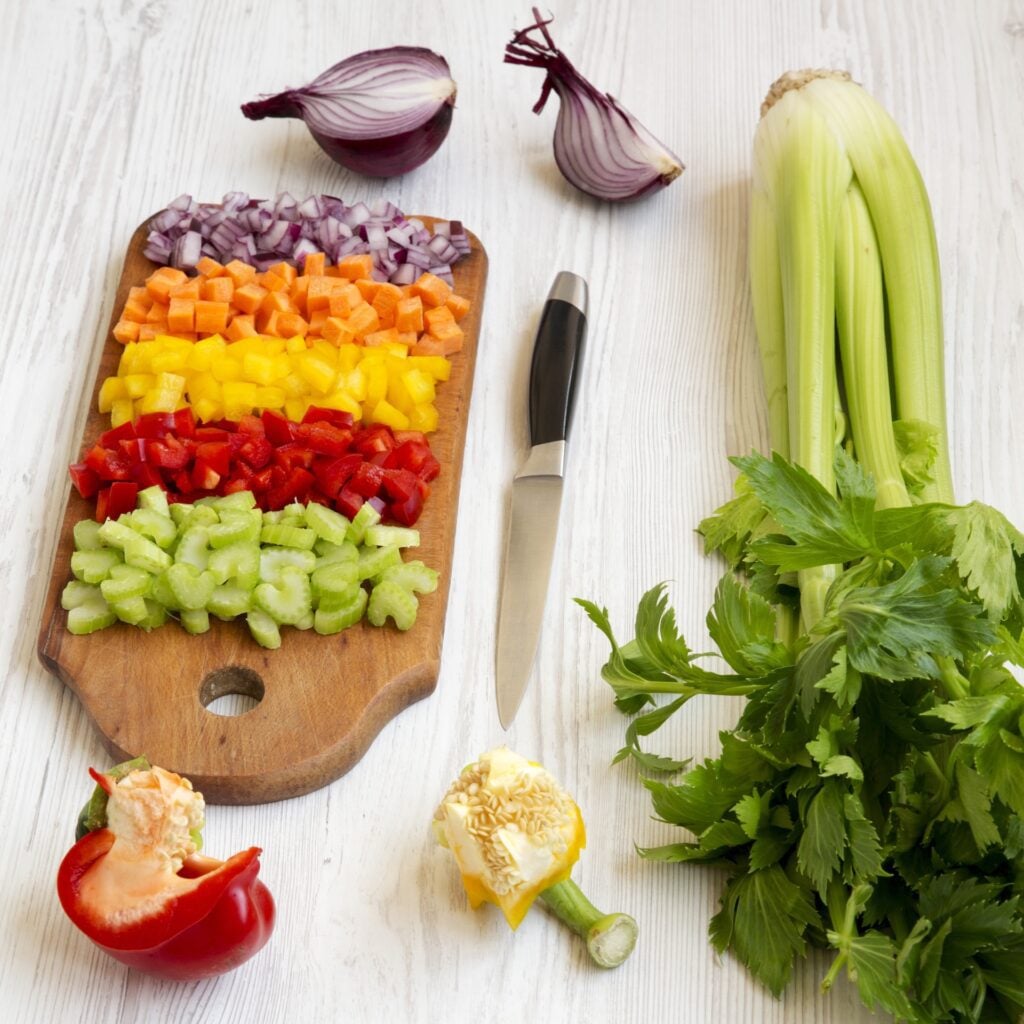
- Use equal parts onion, bell pepper, and celery for balance.
- Don’t rush the sauté. Let the vegetables sweat and release their juices before adding spices or broth.
- Choose the right fat: Butter for Creole dishes, oil or lard for Cajun-style recipes.
- Layer flavors: Add garlic or herbs after the trinity softens, not before — to avoid burning.
Pro tip: Freeze chopped portions of the trinity in zip bags to save prep time — a common practice in Louisiana homes known as “prepping the pot.”
The Trinity in Modern Creole Cuisine
Today, chefs across New Orleans are reinterpreting the Trinity — using colored bell peppers, shallots, or even adding smoked paprika for a twist. Yet, no matter how modern the dish becomes, that essential Creole soul remains.
At Gallier’s, we honor this tradition daily. Our kitchen may use stainless-steel tools and modern stoves, but the soul of each recipe remains rooted in the same three ingredients that defined Creole cooking centuries ago.
Experience the Creole Trinity in Every Bite
When you dine at Gallier’s Restaurant & Oyster Bar, you’re tasting more than just food — you’re experiencing centuries of culinary evolution. Each onion, bell pepper, and celery sautéed in our kitchen carries the essence of New Orleans itself: warm, lively, and unforgettable.
So next time you enjoy a bowl of gumbo or a plate of shrimp Creole, remember: the magic began long before it hit your table — with the Creole Trinity.
Reserve Your Table at Gallier’s →
References & Further Reading
- NPR: The Difference Between Cajun and Creole
- Southern Living: The Holy Trinity of Cajun Cooking
- Wikipedia: Creole Cuisine
Taste the Trinity at Gallier’s
Every dish at Gallier’s Seafood & Oyster Bar starts with the Creole Trinity. From our gumbo and jambalaya to po’boys and Cajun pastas, this flavor foundation defines authentic Creole food and Cajun cuisine.
Looking for seafood restaurants near me that cook the traditional way? Visit our oyster bar at 129 Carondelet St, New Orleans. Reserve a table.
Explore More Creole Cooking
- What Is Creole Food? A Deep Dive
- The Role of Roux in Southern Dishes
- Chicken & Andouille Sausage
- Local Ingredients We Use in Our Kitchen
Frequently Asked Questions
What is the Creole Trinity?
The Creole Trinity (also called the Holy Trinity) is onions, bell peppers, and celery — the aromatic base used in nearly every Creole food and Cajun cuisine dish in New Orleans, from gumbo to jambalaya to étouffée.
What is the difference between the Creole Trinity and French mirepoix?
French mirepoix uses onions, carrots, and celery. The Creole Trinity swaps carrots for bell peppers, giving New Orleans dishes their distinctive sweet, slightly peppery flavor base.
What dishes use the Creole Trinity?
Nearly every Cajun and Creole dish: gumbo, jambalaya, étouffée, red beans and rice, shrimp Creole, seafood bisque, and po’boy fillings. It’s the heart of cooking at New Orleans seafood restaurants and oyster bars.