Jump to the Flavor
The Heart of Southern Flavor
In every great Southern kitchen, there’s a moment when the air fills with the aroma of toasted flour, slow-simmering bones, and the kind of warmth that can only come from patience. That moment is the heart of Southern cooking — and it begins with two simple, sacred elements: roux and stock.
They’re not just ingredients; they’re foundations. Together, they form the invisible base of the dishes Louisiana is known for — gumbo, étouffée, shrimp creole, and countless others. Without them, the South wouldn’t taste like the South.
Roux: The Southern Art of Patience
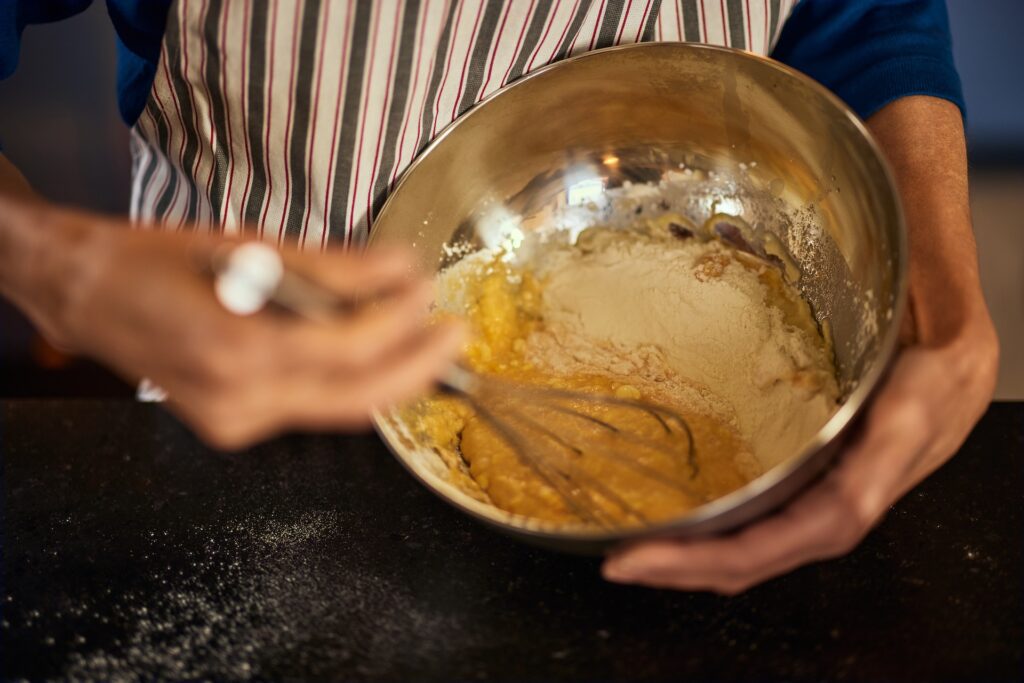
Every Cajun or Creole cook knows that a roux isn’t something you rush. It’s equal parts flour and fat — but what you’re really cooking is time. Stirred constantly over low heat, the mixture transforms from pale blonde to a deep, chocolate-brown color, developing that nutty, smoky aroma that defines Louisiana’s signature dishes.
Making a dark roux is a test of both skill and presence. Stop stirring for a moment, and it burns. But get it right, and you’ve built something extraordinary — a foundation so flavorful it carries entire generations of taste in one spoonful.
“In the South, you don’t just make a roux. You earn it.”
The Shades of Flavor
Each roux has its own personality. A light roux adds body to creamy sauces and soups, while a darker one brings depth and smokiness to gravies and gumbos. In Cajun country, the rule of thumb is simple — the darker the roux, the deeper the story.
At Gallier’s Restaurant & Oyster Bar, our chefs spend as much care on the roux as they do on the seafood itself. It’s the quiet craftsmanship behind every plate of Seafood Gumbo or Chicken & Andouille Jambalaya.
Stock: The Soul Beneath the Surface
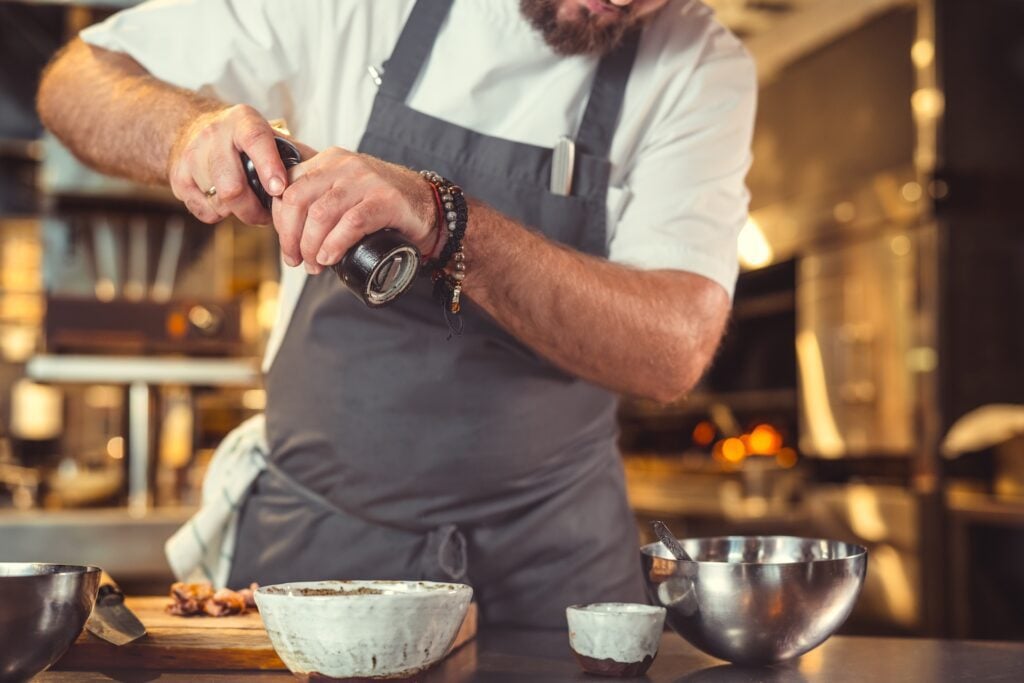
If roux is the body, stock is the soul. It’s what gives every dish its depth — that layered, comforting warmth that lingers long after the first bite. Whether made from chicken bones, shrimp shells, or roasted vegetables, stock adds the kind of quiet complexity that only time can create.
In New Orleans kitchens, there’s almost always a pot of stock simmering gently on the back burner. It’s not just cooking — it’s ritual. Every bubble brings out a new layer of flavor, every hour adds another memory to the mix.
“A good stock doesn’t shout — it hums beneath the flavor.”
Why They Work Together
When roux and stock come together, something magical happens. The roux thickens and grounds the dish, while the stock adds flow and movement. It’s balance in motion — one brings structure, the other brings life.
That’s why every gumbo at Gallier’s carries that unmistakable depth: the kind that coats the spoon, hugs the rice, and feels like home. It’s not about heavy richness — it’s about warmth and equilibrium, the essence of Southern cooking.
The Quiet Science of Comfort
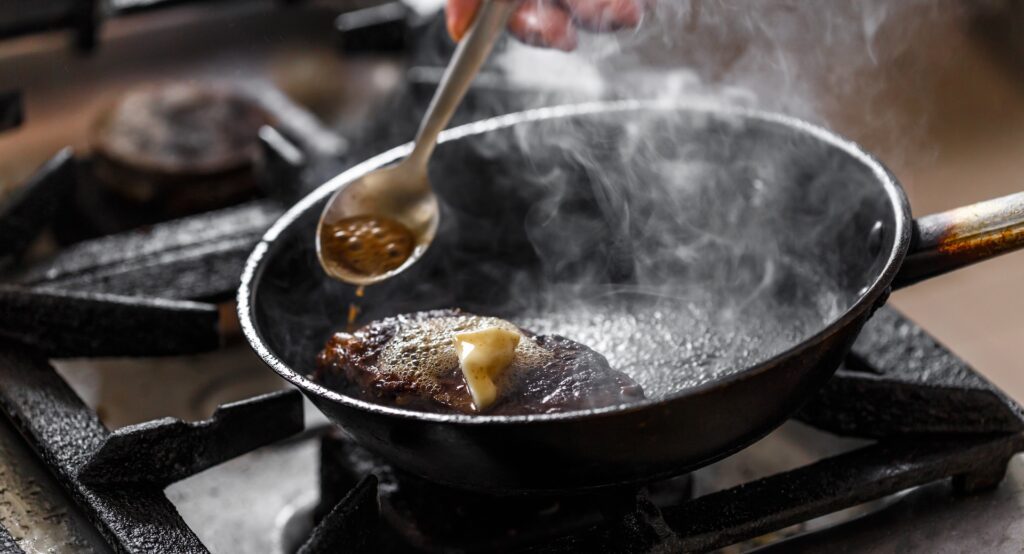
Behind the warmth of every Southern stew is a touch of culinary chemistry. The starch in the roux binds to the gelatin released by slow-simmered bones, creating a velvety texture that clings — never greasy, never watery. It’s flavor engineering, passed down long before it was written down.
That’s what makes Southern food so memorable. It’s the way it feels as much as the way it tastes.
A Tradition That Lives On
Ask any Louisiana cook about their first roux, and they’ll tell you about the anxiety, the stirring, and that moment when the color finally turns — not because of a timer, but because “it looks right.” These lessons aren’t found in books. They’re inherited — passed down at kitchen tables and Sunday dinners, from one generation’s wooden spoon to the next.
At Gallier’s, we keep that spirit alive every day. Our chefs don’t just follow recipes; they follow rhythm, instinct, and memory. Every pot of gumbo, every spoonful of étouffée, every seafood bisque begins the same way — with a roux and a stock, made by hand and heart.
Because in the South, that’s where flavor begins — and where stories never end.
Taste the Tradition at Gallier’s →
Taste the Power of Roux at Gallier’s
Every bowl of gumbo at Gallier’s Seafood & Oyster Bar starts with a carefully crafted roux. Our New Orleans oyster bar and seafood restaurant honors this Cajun cuisine and Creole food tradition in every dish — from gumbo to our creamy Cajun pastas.
Looking for the best seafood restaurant near me in New Orleans? Reserve a table at Gallier’s Seafood & Oyster Bar, 129 Carondelet St.
More on Southern Cooking
- The Creole Trinity
- Chicken & Andouille Sausage
- Top Southern Cooking Techniques
- Creole vs. Cajun Jambalaya
Frequently Asked Questions
What is a roux in Cajun cooking?
A roux is a cooked mixture of flour and fat (usually butter or oil) used to thicken and flavor sauces, soups, and stews. In Cajun and Creole cooking, roux is the foundation of gumbo, étouffée, and many other New Orleans dishes.
How do you make a dark roux for gumbo?
Cook equal parts flour and oil over medium heat, stirring constantly for 30-45 minutes until it reaches a deep chocolate brown color. A dark roux gives gumbo its signature nutty, smoky flavor — the hallmark of authentic Cajun cuisine.