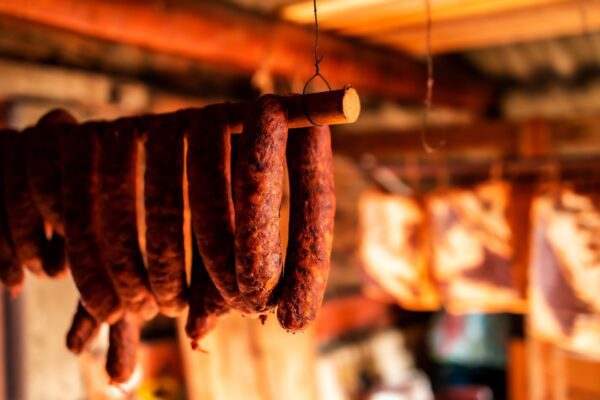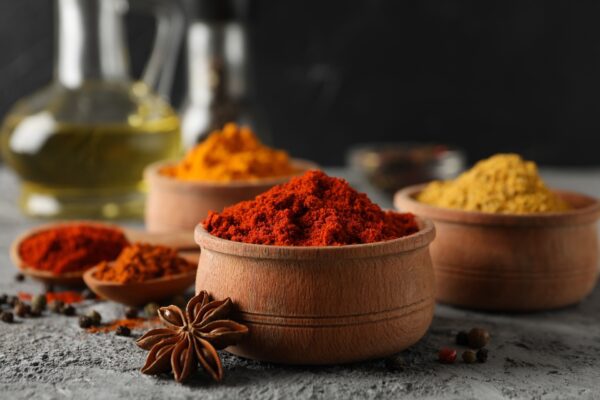
If there’s one dish that captures the essence of New Orleans, it’s gumbo. This rich, deeply flavored soup-stew hybrid has been simmering in Louisiana kitchens for over 300 years, blending French, African, Spanish, and Native American culinary traditions into something entirely unique. Whether you’re a first-time visitor to New Orleans or a lifelong local, gumbo is more than just food — it’s a cultural experience in every spoonful.
Jump to the Flavor
The History of Gumbo
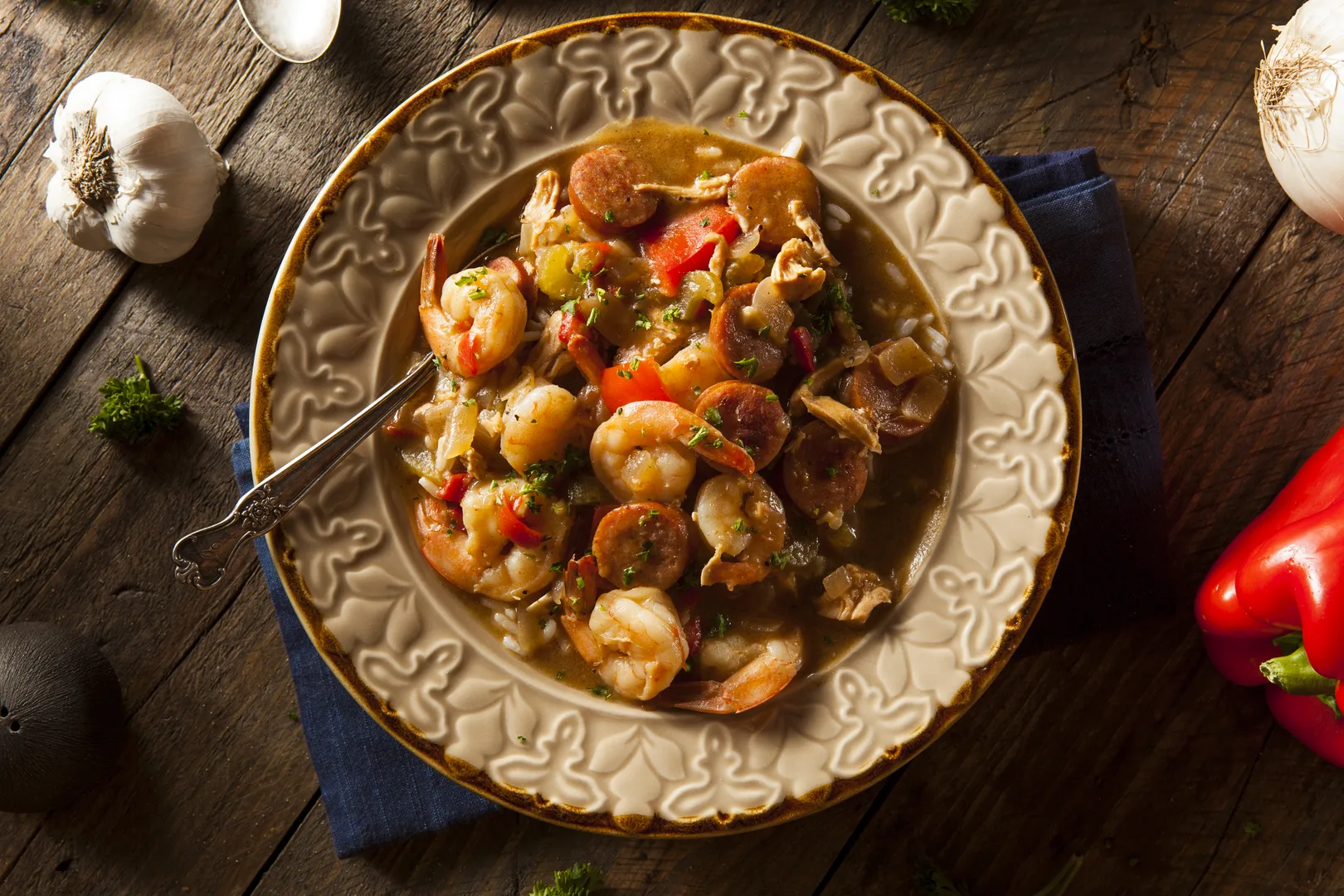
Gumbo’s origins are as layered as its flavor. The word “gumbo” comes from the West African word ki ngombo, meaning okra — one of the dish’s original thickening agents. French colonists contributed the roux technique, Spanish settlers added spices and peppers, and the Choctaw people introduced filé powder (ground sassafras leaves) as a thickener.
By the 18th century, gumbo had become the signature dish of Louisiana, served in humble Cajun homes and elegant Creole dining rooms alike. Today, it’s the official state cuisine of Louisiana and the centerpiece of every seafood restaurant in New Orleans.
What Goes Into Gumbo?
Every authentic gumbo starts with three essential elements:
1. The Roux
A cooked mixture of flour and fat (usually oil or butter), stirred constantly until it reaches a deep chocolate brown color. This dark roux gives gumbo its signature nutty, smoky depth — the darker the roux, the deeper the flavor. Making a proper roux is the most important skill in Cajun cuisine and Creole food cooking.
2. The Holy Trinity
Onions, bell peppers, and celery — also known as the Creole Trinity. These aromatic vegetables form the flavor base of virtually every Cajun and Creole dish, sautéed in the roux until soft and fragrant.
3. The Protein
This is where gumbo styles diverge:
- Seafood Gumbo: Gulf shrimp, blue crab, oysters, and sometimes crawfish — the signature style at New Orleans oyster bars and seafood restaurants
- Chicken & Sausage Gumbo: Bone-in chicken and smoky andouille sausage — the hearty Cajun country version
- Gumbo Z’herbes: A vegetarian Lenten version with mixed greens, traditionally served on Holy Thursday
Creole Gumbo vs. Cajun Gumbo
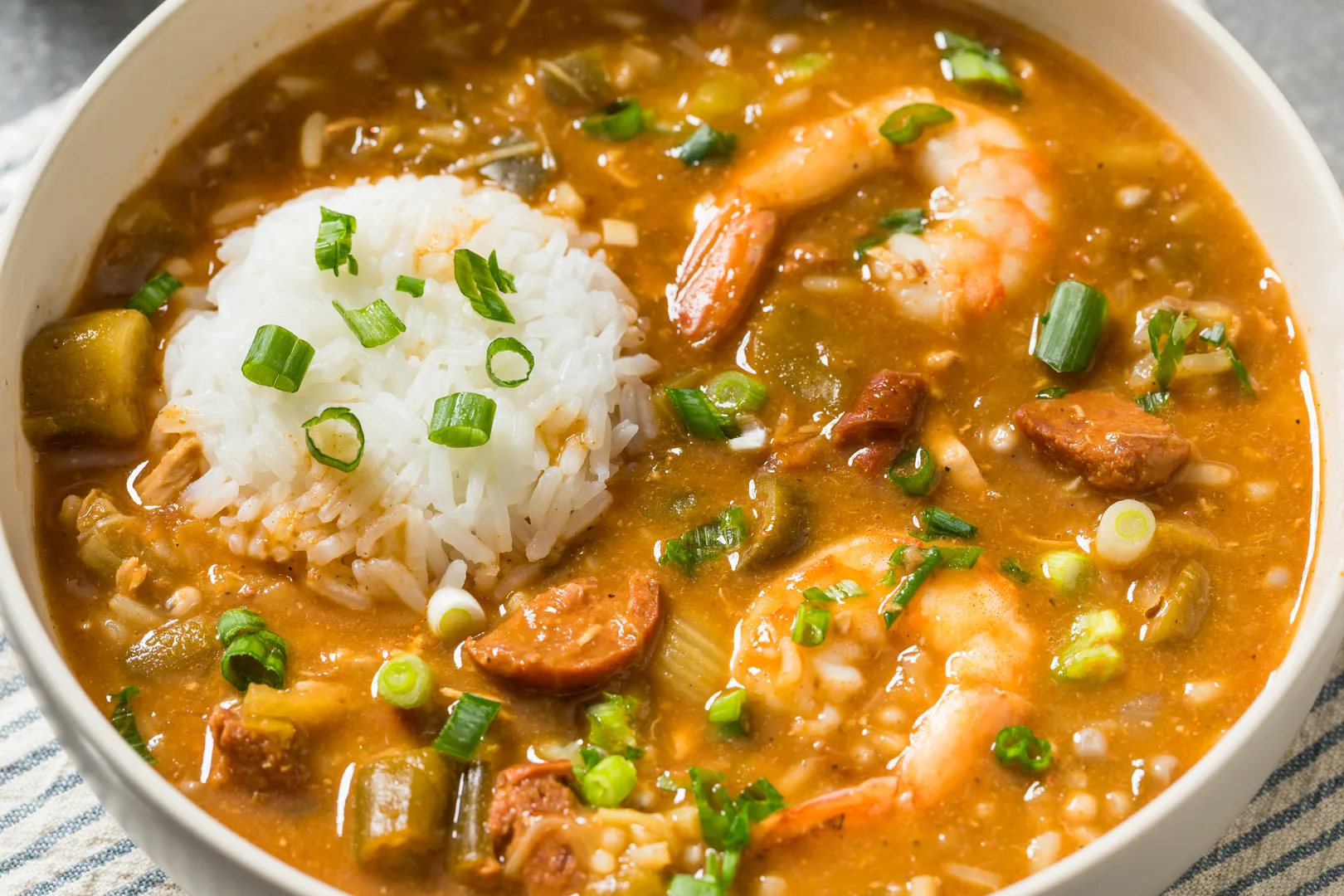
Just like jambalaya, gumbo comes in two distinct Louisiana styles:
| Feature | Creole Gumbo (City Style) | Cajun Gumbo (Country Style) |
|---|---|---|
| Origin | New Orleans | Rural Louisiana / Acadiana |
| Tomatoes | Yes, often included | Never |
| Roux color | Medium to dark brown | Very dark, almost black |
| Okra | Common | Less common, prefer filé |
| Protein | Seafood (shrimp, crab, oysters) | Chicken & andouille sausage |
| Flavor profile | Complex, tomato-forward | Smoky, deeply earthy |
At New Orleans seafood restaurants , you’ll often find Creole-style seafood gumbo loaded with Gulf shrimp, crab, and sometimes oysters. At Gallier’s, the house gumbo is chicken and andouille sausage in a rich, dark roux broth seasoned with Cajun spices.
How Gumbo Is Served
Gumbo is always served in a bowl over a mound of steamed white rice. The rice sits in the center, and the gumbo is ladled around it. Many restaurants also offer it with potato salad on the side — a uniquely Louisiana tradition. Crusty French bread for dipping is essential.
At a New Orleans oyster bar, gumbo often appears as a starter before a main course of charbroiled oysters, po’boys, or a seafood platter. It’s the perfect warm-up to a full Cajun cuisine and Creole food experience.
How to Make Gumbo at Home
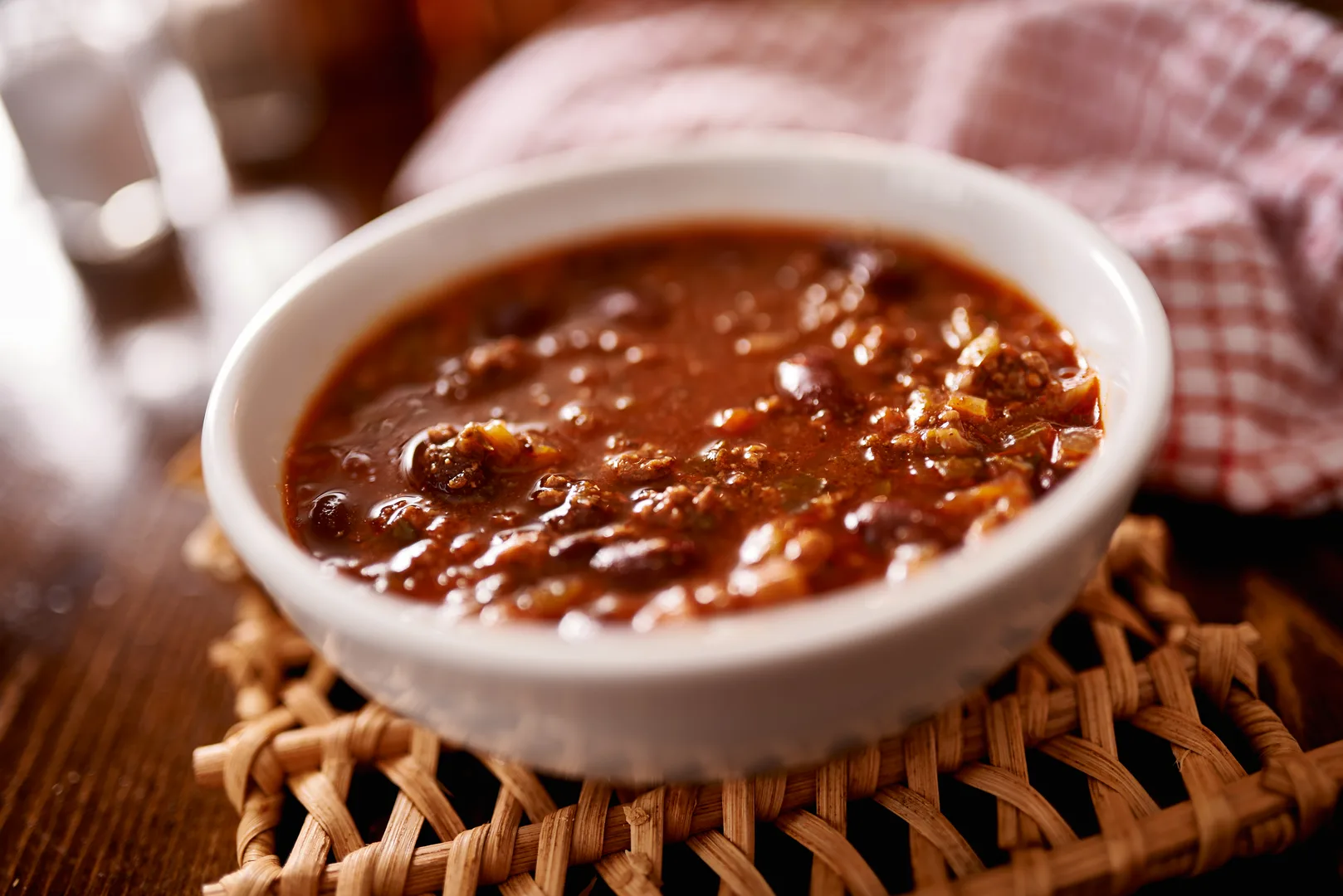
While nothing beats restaurant gumbo made by experienced chefs, here are the basic steps:
- Make the roux: Cook equal parts flour and oil, stirring constantly for 30-45 minutes until deep chocolate brown
- Add the Trinity: Stir in diced onions, bell peppers, and celery; cook until soft
- Add stock: Pour in warm seafood or chicken stock, stirring to combine
- Season: Add bay leaves, thyme, cayenne, and Cajun seasoning
- Add protein: Stir in your chosen protein (seafood goes in last, just minutes before serving)
- Simmer: Cook on low for 1-2 hours to develop flavor
- Serve: Ladle over steamed white rice with a sprinkle of filé powder
For more Southern cooking fundamentals, check out our guides on Southern cooking techniques and local Louisiana ingredients.
Gumbo at Gallier’s Seafood & Oyster Bar
At Gallier’s Seafood & Oyster Bar, our gumbo is made with a traditional dark roux, the holy trinity, chicken, and andouille sausage — served by the cup or the bowl. It’s one of the most popular dishes at our New Orleans oyster bar, and the perfect way to start your meal before diving into our raw or charbroiled oysters, crispy po’boys, or a full seafood restaurant feast.
Searching for the best gumbo near me in New Orleans? Reserve your table at 129 Carondelet St and taste why our gumbo keeps locals and visitors coming back.
Explore More New Orleans Flavors
- What Is Creole Food? A Deep Dive
- What Is Boudin? Louisiana’s Cajun Sausage
- Creole vs. Cajun Jambalaya
- Shrimp, Crab, Crawfish: What’s the Difference?
- 5 Health Benefits of Oysters
Frequently Asked Questions About Gumbo
What is gumbo made of?
Gumbo starts with a dark roux, the Creole Trinity (onions, bell peppers, celery), and stock. Proteins vary — seafood gumbo uses shrimp, crab, and oysters, while Cajun gumbo features chicken and andouille sausage. It’s seasoned with filé powder, bay leaves, and Cajun spices, served over steamed white rice.
What is the difference between Creole gumbo and Cajun gumbo?
Creole gumbo (New Orleans style) often includes tomatoes, okra, and seafood like shrimp and crab. Cajun gumbo (country style) skips the tomatoes, uses a darker roux, and features chicken and andouille sausage. Both are served over rice at seafood restaurants across New Orleans.
Is gumbo a soup or a stew?
Gumbo falls between a soup and a stew — it’s thicker than soup but thinner than most stews. The dark roux and okra give it body, while the broth keeps it pourable. It’s always served over rice in a bowl at New Orleans oyster bars and restaurants.
What does gumbo taste like?
Gumbo has a deep, complex flavor — smoky from the dark roux, savory from the proteins, and warmly spiced with cayenne, thyme, and bay leaves. Seafood gumbo tastes briny and rich; chicken and sausage gumbo is smoky and hearty.
Where can I find the best gumbo in New Orleans?
Gallier’s Seafood & Oyster Bar at 129 Carondelet St serves authentic New Orleans chicken and andouille gumbo made with a traditional dark roux. It’s one of the most popular dishes at our oyster bar and seafood restaurant.