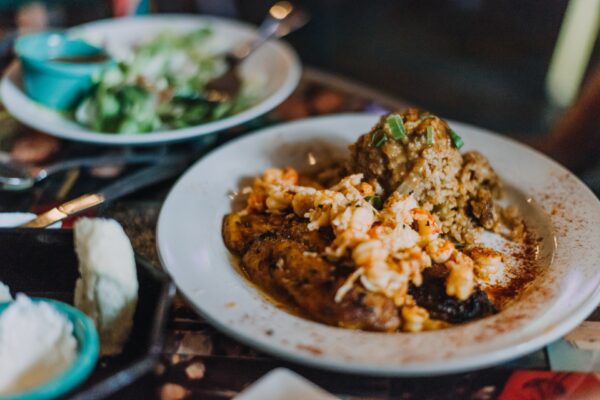
If gumbo is the heart of Louisiana cooking, then étouffée is its soul. This rich, smothered dish — typically featuring tender crawfish in a buttery, spiced roux sauce over white rice — is pure Louisiana comfort food. The name itself tells you everything: étouffée means “smothered” in French, and that’s exactly what happens to the shellfish in this dish.
Jump to the Flavor
The Origins of Étouffée
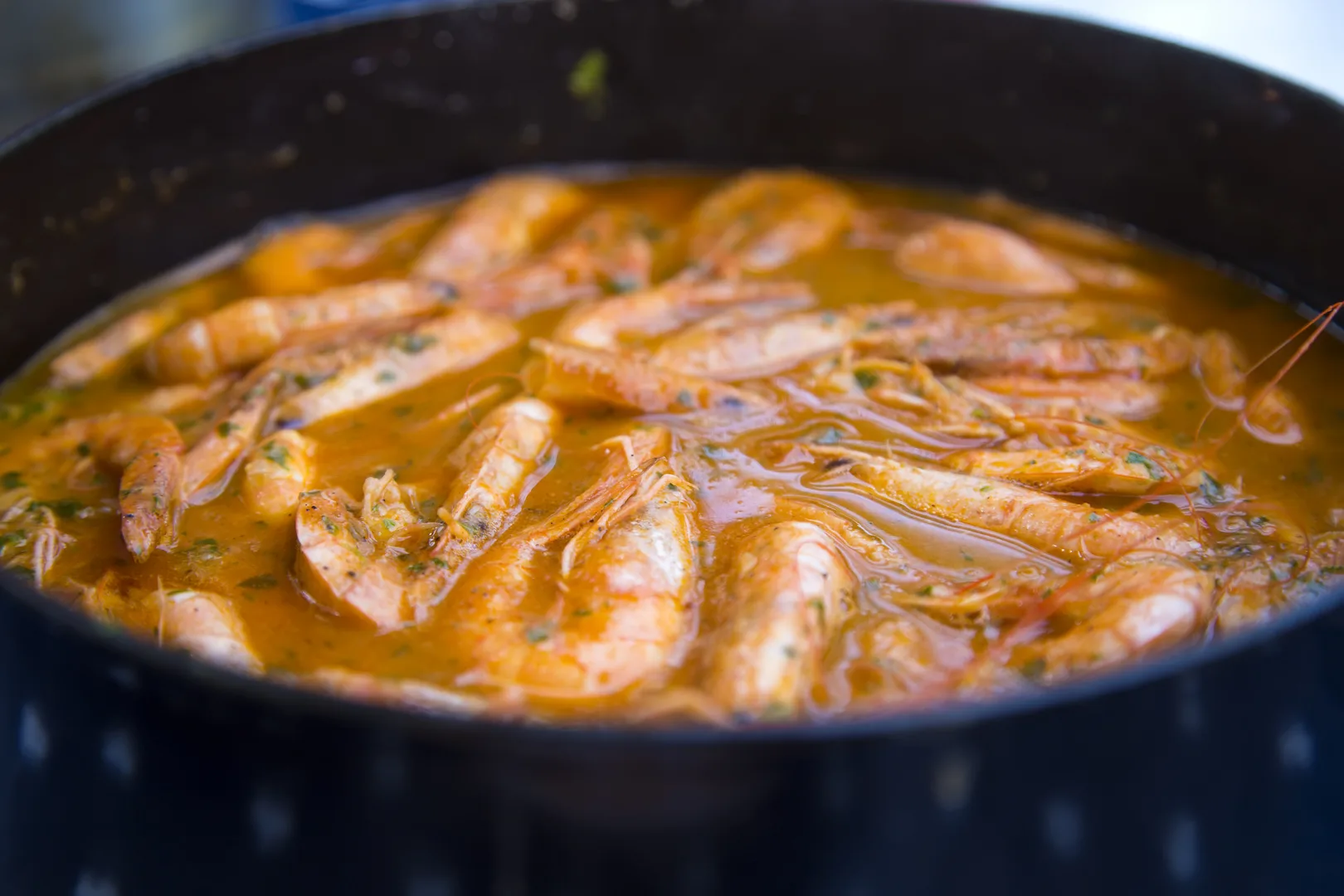
Étouffée originated in the Cajun country of south Louisiana, likely in the Breaux Bridge area (the “Crawfish Capital of the World”) in the mid-20th century. Unlike gumbo, which dates back centuries, étouffée is a relatively modern addition to the Louisiana repertoire — but it quickly became one of the most beloved dishes in both Cajun cuisine and Creole food.
The dish spread rapidly from Acadiana to New Orleans, where Creole chefs adapted it with their own touches — adding butter, tomatoes, and sometimes shrimp or crab alongside the traditional crawfish.
What Goes Into Étouffée?
A classic étouffée has these key components:
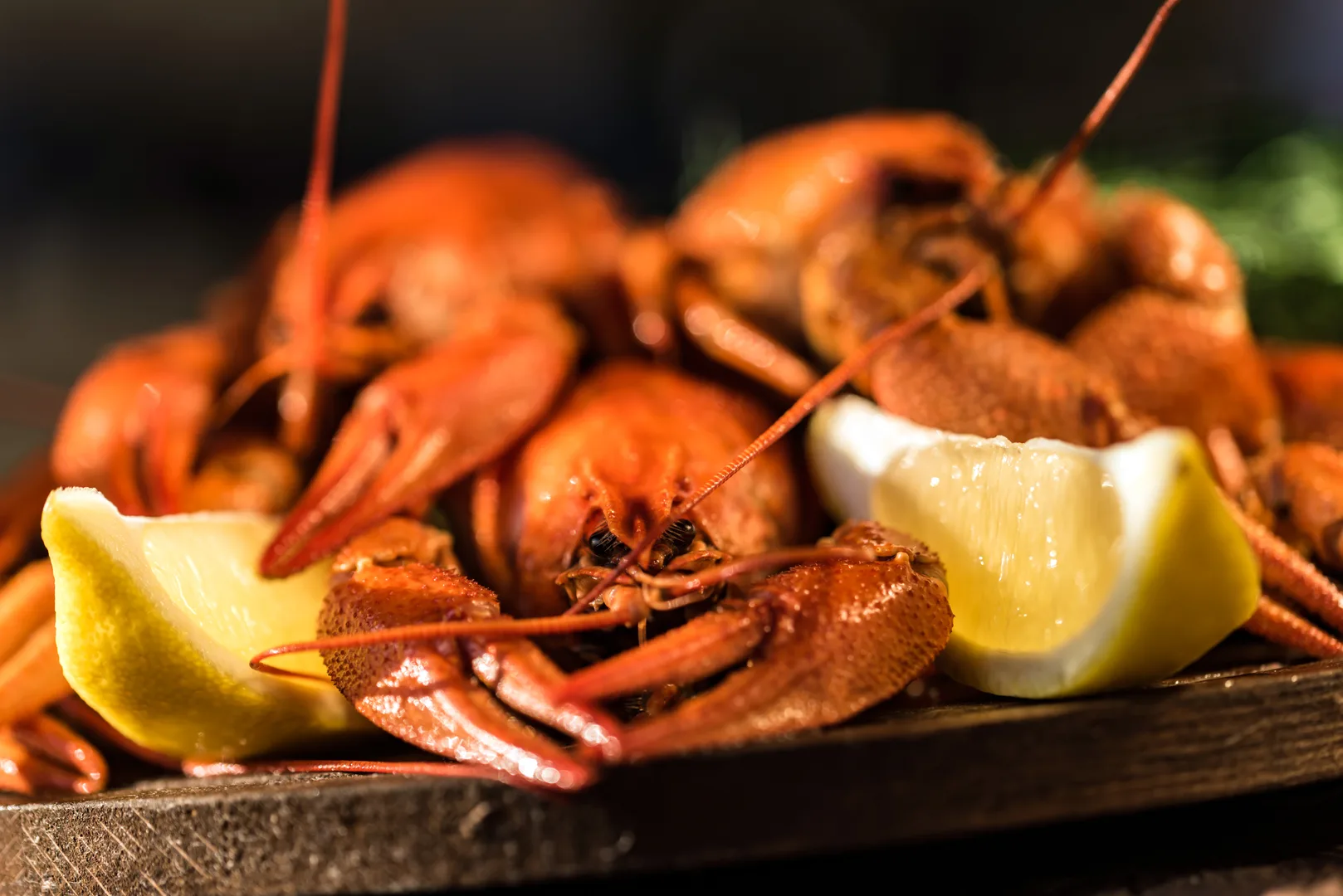
- Shellfish: Crawfish tails are traditional, but shrimp or a combination are also popular at New Orleans seafood restaurants
- Roux: A blonde to medium roux (lighter than gumbo’s dark roux)
- The Holy Trinity: Onions, bell peppers, and celery
- Butter: Generous amounts — this is not a low-calorie dish
- Cajun seasoning: Cayenne, paprika, garlic, thyme
- Stock: Shellfish or chicken stock for the sauce base
- Rice: Steamed white rice, always
Cajun Étouffée vs. Creole Étouffée
| Feature | Cajun Style | Creole Style |
|---|---|---|
| Roux | Dark blonde, oil-based | Butter-based, lighter |
| Tomatoes | Never | Sometimes |
| Richness | Bold, direct | Buttery, refined |
| Protein | Crawfish only | Crawfish, shrimp, or crab |
Both styles are served at seafood restaurants and oyster bars across New Orleans, and both are absolutely delicious.
Étouffée vs. Gumbo: What’s the Difference?
People often confuse étouffée with gumbo, but they’re distinctly different:
- Étouffée is a thick, sauce-based dish smothering a single protein (crawfish or shrimp). Think of it as a rich sauce over rice.
- Gumbo is a soup-stew with a thinner broth, darker roux, and multiple proteins (seafood, chicken, sausage).
- Étouffée is richer and more focused; gumbo is more complex and brothy.
Crawfish at Gallier’s Seafood & Oyster Bar
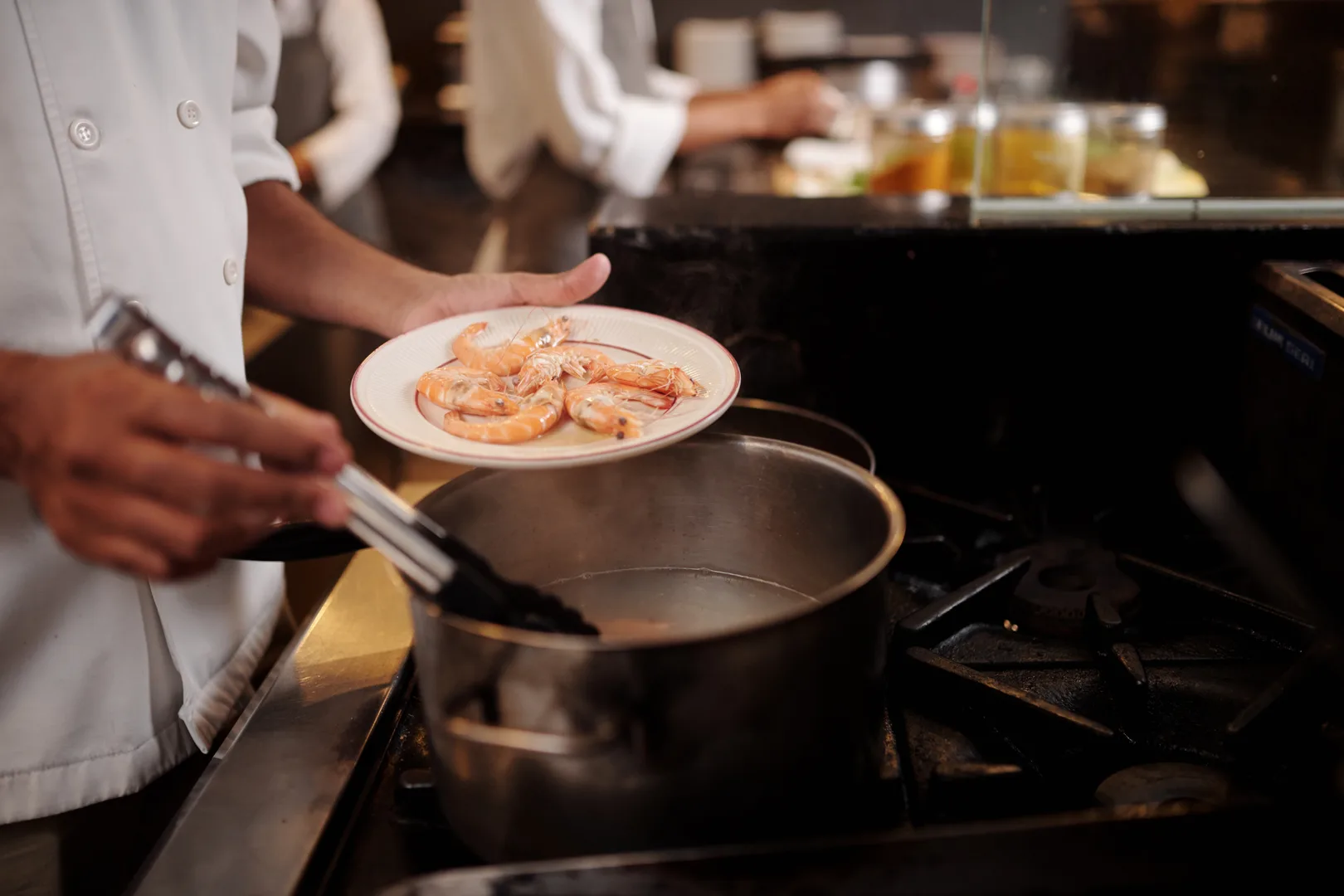
At Gallier’s Seafood & Oyster Bar, crawfish shows up in the creamy Seafood Penne Pasta with shrimp and crawfish, Gallier’s Crawfish Fries, and Red Snapper topped with crawfish sauce — perfect alongside a dozen charbroiled oysters, a cup of gumbo, or a crispy shrimp po’boy.
Looking for seafood restaurants near me in New Orleans with Louisiana crawfish? Reserve your table at 129 Carondelet St.
More Louisiana Dishes to Explore
- Creole vs. Cajun Jambalaya
- What Is Boudin?
- Shrimp, Crab, Crawfish: What’s the Difference?
- Chicken & Andouille Sausage
- Local Ingredients We Use
Frequently Asked Questions About Étouffée
What does étouffée mean?
Étouffée means “smothered” in French. The dish features shellfish (usually crawfish) smothered in a rich, buttery roux sauce with onions, peppers, and Cajun spices, served over rice at seafood restaurants across New Orleans.
What is the difference between étouffée and gumbo?
Étouffée is a thick, sauce-based dish smothering a single protein (usually crawfish). Gumbo is a soup-stew with a thinner broth and multiple proteins. Étouffée is richer; gumbo is more complex. Both are staples of Cajun cuisine and Creole food.
What does étouffée taste like?
Étouffée is rich, buttery, and savory with a gentle Cajun heat. The crawfish adds sweetness, while the roux provides depth. It’s comforting and intensely flavorful — one of the best dishes at any New Orleans oyster bar or seafood restaurant.
Is étouffée Cajun or Creole?
Both! Cajun étouffée uses a darker roux and no tomatoes. Creole étouffée may include tomatoes and butter for a richer sauce. Either way, it’s a Louisiana masterpiece.
Where can I try étouffée in New Orleans?
Gallier’s Seafood & Oyster Bar at 129 Carondelet St serves crawfish in its Seafood Penne Pasta, Crawfish Fries and Red Snapper with crawfish sauce, alongside gumbo, po’boys, and fresh Gulf oysters.